
Category
Conflict Resolution
Working through disagreement without escalation.
- In this topic
- 144 articles
- Ready to read
- 144 articles published
- References
- 82 research papers behind it
Reading path
In this category
Keep one idea that fits, then try a small next step in Mneno.
 DecisionHow to Tell If a Team Debate Is About a Task or a Personal IssueThree strategies to judge whether a team debate is about the task or a personal issue, compared by immediate effort and trade-offs.1 min read
- How-toHow to Assess Personal Conflict in Your TeamUse a team discussion to assess shared perceptions of personal conflict, and understand what a consensus response can and cannot tell you.1 min read
 How-toHow to Help Your Team Cooperate on a Shared SolutionExplore ways to focus team discussions, seek solutions that accommodate members' needs, and make work assignments more deliberate.2 min read
 TechniquesWhy you give in during arguments that matter to youExplore your conflict style: understanding why you yield can help you see your automatic patterns and consider other approaches.3 min read
 TechniquesIs This About the Task or About Us?Compare practices to tell whether an argument is about the work or the relationship, including shifting focus, medium choice, and open communication.3 min read
 TechniquesCommon Workplace Conflicts and How to Handle ThemWorkplace conflicts fall into task, relationship, and process types. Learn how each differs and get straightforward approaches to handle them.3 min read
 TechniquesResolving Team Arguments Without EscalationCompare three practices for resolving team arguments: proactive compromise, consensus-building, and open communication. Evidence-based, no winner declared.3 min read
 TechniquesHow to Tell If a Conflict Is About the Relationship or the WorkLearn practices to distinguish relationship conflict from task conflict in your team, based on research about conflict types and their effects.3 min read
 TechniquesTraining Yourself to Handle Workplace ConflictsLearn three evidence-backed practices for improving how you handle disagreements with colleagues at work: cooperative communication, constructive controversy2 min read
 TechniquesManage Disagreements About Work Tasks Without Damaging RelationshipsCompare practical techniques to keep work task disagreements constructive and avoid relationship harm. Evidence-based approaches for teams.3 min read
 TechniquesHow to Disagree with a Colleague Without Hurting Your RelationshipLearn three evidence-based techniques for disagreeing at work while keeping relationships intact: keep it task-focused, recognize when conflict shifts, and3 min read
 TechniquesRepairing a Strained Relationship with a Team MemberCompare practices for repairing a strained relationship with a team member, drawing on evidence about communication and conflict in virtual teams.3 min read
 TechniquesHow to compromise without feeling like you've lostCompare approaches to finding a fair compromise in relationships. Learn about collaborative negotiation, relationship-focused resolution, and conflict3 min read
 TechniquesApproaches to Task Disagreements in TeamsExplore three evidence-based approaches to handling task conflicts at work: calibrating debate to task type, discussing process early, and trusting teammates.3 min read
- TechniquesHow to Tell If Your Argument Is About the Task or About YouLearn to distinguish task conflict from relationship conflict using three evidence-based practices: check the focus of the disagreement, assess the emotional3 min read
 TechniquesThree Practices for Reducing Process Conflict in TeamsCompare team charter, conflict resolution approaches, and learning from past mistakes to reduce process conflict and improve team performance.3 min read
 TechniquesConflict Hurts Team Work: Practices That HelpCompare practices to reduce harmful conflict. Learn how trust, how you disagree, and understanding your conflict types can protect your team's performance.3 min read
 TechniquesPractices to Reduce Personal Attacks in Team ConflictCompare three team practices that help conflict stay constructive rather than turning personal: open communication, shared mental models, and recognizing3 min read
 TechniquesTechniques to Prevent Task Conflicts from Turning PersonalCompare ways to keep task disagreements from becoming personal: building trust, improving communication, and clarifying intentions.3 min read
 TechniquesWhy You See Things Differently from Your TeammatesConflict asymmetry and attribution bias explain why teammates perceive conflicts differently.2 min read
 TechniquesNavigating Decision-Making in Teams: Balancing Assertiveness and CollaborationExplore practices to assess your pushiness in team decisions, including integrative conflict management and fostering positive interdependence.4 min read
 TechniquesHow Personal Conflict with a Coworker Affects Your WorkPersonal conflict with a coworker can reduce teamwork, knowledge sharing, and engagement, making work feel harder and less productive.2 min read
 TechniquesDistinguishing Work Conflicts from Personal ConflictsCompare three evidence-informed approaches to tell whether a conflict is about work tasks or personal issues.3 min read
 TechniquesAssessing Personal Tension in Your TeamCompare three evidence-based ways to understand personal tension in your team: identifying relationship conflict, tracing conflict origins, and using a3 min read
 TechniquesWays to Argue Without Hurting Your RelationshipCompare three evidence-informed practices for arguing with a partner while protecting your relationship.4 min read
 TechniquesWhy Disagreements Become Personal Conflicts in TeamsDiscover why task disagreements escalate into personal conflicts and learn practices to prevent misattribution, such as building trust and strengthening team3 min read
 TechniquesUnderstanding Task Conflicts with CoworkersExplore evidence-based practices to manage task conflicts with coworkers, reduce relationship conflict, and improve team dynamics.3 min read
 TechniquesHow to find a solution that works for everyone in a team conflictCompare three collaborative approaches to team conflict: integrating, compromising, and cooperative problem-solving.2 min read
 TechniquesWhy Arguing About Work Damages Our RelationshipWork disagreements can strain personal bonds when trust is low. Learn how trust buffers conflict and what practices help protect relationships.3 min read
 TechniquesArguing About Work Without Hurting Team SpiritCompare practices for work-related arguments that protect team spirit: focus on content, discuss reasons, use virtual communication.3 min read
 TechniquesWhy Do Team Meetings Turn Into Fights?Explore three approaches to team conflict: open communication, early resolution, and integrative problem-solving. Compare evidence on each practice.3 min read
 TechniquesWhy Team Conflicts Escalate and How to Address ThemExplore practices for managing team conflict escalation, including building trust to prevent task disagreements from becoming personal.3 min read
 TechniquesWhy Team Conflicts Escalate So QuicklyLearn why team conflicts intensify rapidly and explore three evidence-based approaches to understanding and managing them.3 min read
 TechniquesWhy Team Arguments Sometimes Damage RelationshipsTeam arguments can damage relationships when they mix personal conflict with task disagreement.3 min read
 TechniquesHow to Tell if a Conflict Is About Tasks or About UsThree practices to distinguish task conflicts from relationship conflicts: noticing issue importance, tracking remarks, and initiating quick team check-ins.3 min read
 TechniquesHow to Tell If a Conflict Is Improving Your Work or Harming ItCompare three practices to assess whether conflict in your team is productive or damaging, based on research about conflict resolution and team performance.3 min read
 TechniquesAddressing Personal Arguments in Your TeamLearn to distinguish personal arguments from task disagreements and explore practices to reduce relationship conflict in your team.2 min read
 TechniquesWhy Arguments at Work Rarely Lead to Good OutcomesUnderstanding why workplace arguments often backfire and comparing structured approaches to conflict that can improve team outcomes.3 min read
 TechniquesHow to Tell If a Conflict Is About Work or FeelingsCompare three evidence-based practices to distinguish task conflict from relationship conflict in teams, considering communication medium and resolution3 min read
 TechniquesUnderstanding Why Conflict Feels ComplicatedExplore how team hierarchy, task complexity, and power dynamics can make conflicts hard to resolve, and what that means for your situation.3 min read
 TechniquesDistinguishing Task from Person DisagreementLearn practical ways to tell if a disagreement is about the task or the person, using evidence-based techniques.3 min read
 TechniquesHow to disagree at work without damaging relationshipsExplore comparison of evidence-based practices to keep workplace disagreements constructive and reduce personal friction.3 min read
 TechniquesTechniques for Disagreeing at Work Without Making It PersonalLearn how to use reappraisal, collaborative communication, and separating task from relationship conflict to keep work disagreements constructive.3 min read
 TechniquesWhy We Keep Arguing About the Best Way to Do Our WorkExplore three distinct practices-moderate conflict, reflective adaptation, and cognitive boundaries-for managing work disagreements without promising one fits3 min read
 DecisionHow to resolve a disagreement without hurting anyone's feelingsThree strategies for resolving a disagreement while preserving relationships, compared by effort, emotional risk, and reversibility.3 min read
 DecisionWhy Does My Team Keep Fighting Over Who Does What?Process conflict over roles and responsibilities can harm team performance. Compare three approaches: low-effort pause, moderate structured plan, or3 min read
 DecisionWhy do personality clashes at work derail our team progress?Personality clashes create relationship conflict that reduces collaboration and performance. Choose a strategy based on your capacity to act now.3 min read
 DecisionStaying Engaged at Work During a Personal ConflictWhen a personal conflict drains you at work, three strategies differ in effort, risk, and reversibility. Choose based on what you can do now.3 min read
 DecisionWhy do I seem to be the only one noticing the conflict in our team?You might be the only one seeing the conflict due to conflict asymmetry. Consider whether to address it, try private outreach, or initiate a team discussion.4 min read
 DecisionWhy Does My Teammate's Feedback Feel Like an Attack?When feedback stings, you can pause, seek clarity, or address norms. Choose a strategy based on your current capacity.3 min read
- DecisionHow to Argue About Ideas Without Hurting the RelationshipThree strategies for debating ideas while preserving your relationship. Compare low, moderate, and high effort options based on conflict research.3 min read
 DecisionWhy Disagreements About Work Methods Slow Us DownTask conflict can stall teams, but how you resolve it matters. Compare three evidence-based approaches to decide what fits your situation.3 min read
 DecisionHow to Handle a Manager Who Always Needs to WinIf your manager always needs to win, three strategies offer different trade-offs. Choose based on your current capacity.4 min read
 DecisionHow Do I Know If Our Team Conflict Is Harmful or Just a Healthy Debate?Assess team conflict by focusing on specific pairs rather than the whole team. Learn three strategies to tell harmful conflict from healthy debate, based on4 min read
 DecisionHow to Stop the Same Fights with Your PartnerChoose among three strategies for breaking repetitive relationship conflicts: pause, collaborate, or restructure interactions.3 min read
 DecisionHow to Use Disagreements in Your Team for Better Decisions Without Ruining RelationshipsChoose among three strategies to turn task disagreements into better decisions while preserving team relationships, based on research on conflict resolution in4 min read
 DecisionWhy Is There So Much Tension and Arguing Within Our Team?Explore three strategies to address team tension and arguing, from low to high effort, with clear trade-offs based on your current capacity.3 min read
 DecisionWhy does conflict in my team always seem to spiral out of control?Understanding the dynamics that make team conflict escalate and how to choose a response strategy based on your current capacity.3 min read
 DecisionHow can I help my team resolve arguments without making things worse?Three strategies for leading your team through conflict, from low-effort observation to a facilitated charter. Choose based on your current capacity.3 min read
 DecisionWhy Do I Keep Having Personal Clashes With Teammates That Ruin Our Work?Personal clashes with teammates can erode collaboration. Learn three strategies to address relationship conflict based on your current capacity and the3 min read
 DecisionHow to tell when a conflict is about the work and not the peopleThree strategies to distinguish work-related conflict from personal tension in a team, based on task interdependence and virtuality.3 min read
 DecisionWhy Do Disagreements in My Team Sometimes Turn Into Personal Attacks?Three ways to respond when a work disagreement becomes personal, each with different immediate effort and trade-offs.3 min read
 DecisionHow to Tell a Healthy Disagreement from a Personal ArgumentLearn to distinguish task conflict from relationship conflict and choose a strategy based on your current capacity.3 min read
 DecisionCan Arguing with Teammates Help Your Group? Weighing Three StrategiesWhen task disagreements turn personal, you have options. Compare three strategies: redirect to facts, lean into shared goals, or pause to protect cooperation.3 min read
- DecisionHow to Disagree on Tasks Without Personal AttacksWhen a task disagreement starts to feel personal, this decision helps you choose an immediate approach based on your current capacity and the situation.3 min read
 DecisionWhy does my team keep having the same fights over and over?Repeated team conflicts often persist because they stay at the same intensity or spread.3 min read
 DecisionWhy This Conflict Feels So Complicated and StuckIf your team conflict seems stuck, the complexity of the task may be making standard fixes less effective. Compare three source-backed strategies.3 min read
 DecisionHow to Tell if You're Fighting About the Task or About Each OtherLearn to distinguish task conflict from relationship conflict in your team disagreements and choose a strategy based on your current capacity.4 min read
 DecisionHow to disagree without a personal fight? Three approachesThree strategies for disagreeing with a colleague without escalating into personal conflict, from lowest to highest immediate effort.4 min read
 DecisionWhy Do My Team and I Keep Arguing About How to Do the Work?A decision guide for teams stuck in arguments about work methods, with three options from low to high effort.3 min read
 How-toHow to Turn Disagreements Into Productive DiscussionsUse evidence-based steps to turn team disagreements into discussions that improve work.3 min read
 How-toResolving Personality Clashes in Your TeamLearn practical steps to shift your team from personality clashes to productive work, based on evidence-based conflict resolution approaches.4 min read
 How-toResponding to Snide Remarks in TeamsLearn evidence-based actions to address snide remarks by focusing on content, discussing decisions, and assigning tasks by expertise.4 min read
 How-toUnderstanding Chaotic Team ConflictLearn why team conflict feels chaotic and how to make sense of it. This article explains conflict dynamics and offers a practical assessment approach.3 min read
 How-toWhy Does My Team Argue About Priorities Instead of Solving the Real Problem?Understand why team arguments about priorities may signal low trust, turning helpful task debate into personal conflict. Learn how to address the real issue.4 min read
 How-toHow to Recognize Constructive Task Conflict at WorkLearn to distinguish constructive task conflict from harmful disagreements by focusing on topic, resolution style, and team trust.3 min read
 How-toHow to Argue About Work Without Feeling AttackedLearn evidence-based techniques to separate task disagreements from personal attacks in workplace discussions, so you can stay focused on the work.4 min read
 How-toAddressing Difficult Conversations at Work or in RelationshipsLearn how to feel less stuck by addressing disagreements early, focusing on content not style, and using open communication.4 min read
 How-toHow to Tell If a Conflict Is About the Work or About Personal IssuesLearn how to distinguish task conflict from relationship conflict in teams by examining the importance of the issue and your emotional reactions.3 min read
 How-toHow to Tell If a Team Fight Is About the Task or About UsLearn how to distinguish task conflict from relationship conflict in your team, using indicators researchers have identified.3 min read
 How-toWhy Disagreements with Teammates Turn PersonalTask disagreements can feel personal when they trigger relationship conflict. Learn what causes this shift and how to keep discussions focused on the work.4 min read
 How-toHow to disagree with a coworker without damaging your relationshipLearn practical steps to handle workplace disagreements constructively, drawing on team conflict and emotional intelligence research.4 min read
 How-toWhy do we keep arguing about the wrong things in our team?Understand common patterns that shift team arguments from tasks to personal issues, and learn strategies to refocus conflict on what matters.6 min read
 How-toHow to Disagree About Approach Without Making It PersonalLearn practical steps to resolve task disagreements in virtual teams by reframing competition and addressing discontent early.3 min read
- How-toUsing Task Conflict Effectively in Global Virtual TeamsLearn how to use task conflict productively in global virtual teams by leveraging virtual communication, early intervention, and tailored resolution strategies.4 min read
 MomentsHow do I stop disagreements at work from becoming personal?When a work disagreement starts to feel like a personal attack, see why trust matters and try one separating statement to reset the conversation.3 min read
 MomentsIs this conflict serious or just a minor disagreement?Assess conflict severity by considering the dyad's centrality, location, and specific interactions. Use observation and targeted questions to gauge impact.3 min read
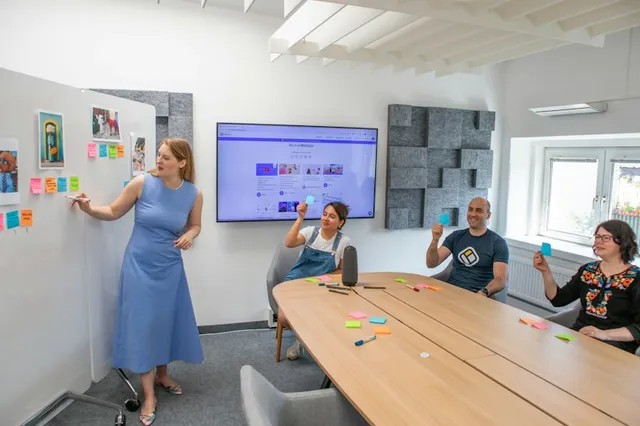 MomentsHow do we stop arguing about the process and get work done?If you're stuck in a loop of arguments about roles, timelines, or methods, set concrete shared rules to shift focus to the work.3 min read
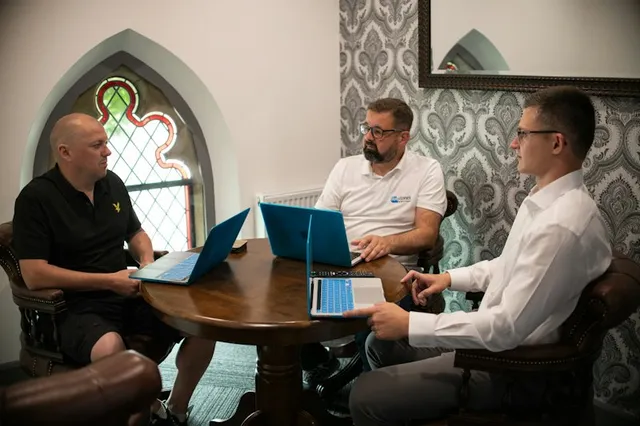 MomentsWhy do some team fights feel personal and others about the work?Understand why a task disagreement can feel like a personal attack and learn a quick technique to keep team conflict focused on the work.3 min read
 MomentsWhy my coworkers and I see the same problem so differentlyWhen disagreements feel personal, it's often due to subtle biases in how each of you perceives conflict.3 min read
 MomentsHow do I know if I'm being too forceful in a disagreement?Signs you may be too forceful in a disagreement, why it happens, and how to shift toward collaborative communication.3 min read
 MomentsWhy do personal conflicts at work leave me so exhausted?Personal conflicts at work drain your energy by forcing you to hide your true self, which uses up mental resources and leaves you feeling depleted.3 min read
- MomentsHow do I recognize when a conflict is really about personal issues?Learn to spot when a work disagreement becomes personal. Understand the signs of relationship conflict and how to address it.2 min read
 MomentsIs this team fight about the work or about us?Learn to tell whether a team disagreement is about the task or about personal issues, and how to redirect conflict toward better outcomes.3 min read
- MomentsIs this argument about the work or about us?Learn to tell if a team disagreement is about the task or personal tensions, and use a quick tool to refocus on content.3 min read
 MomentsWhy does my team keep having the same fightsLearn why your team has repeated conflicts and how to use open communication and information sharing to break the cycle.3 min read
 MomentsHow can I argue about work without it getting personal?When a work disagreement starts to feel like a personal attack, you can redirect the conversation back to the task. Here's how.2 min read
 MomentsHow do I bring conflicting team members to a solution everyone supports?If you're facing team conflict, you can use cooperative conflict management to build a solution everyone supports.2 min read
 MomentsArguing with my partner over small thingsIf you find yourself fighting with your partner over minor issues, you are not alone. This is how to step out of the cycle of small arguments.2 min read
 ExplainerTask Conflict FacilitationTask conflict facilitation means encouraging productive disagreements about work to improve team decisions.5 min read
 ExplainerDecoupling Task and Relationship ConflictLearn how teams can separate task disagreements from personal friction, the role of emotional regulation, and the impact on performance.6 min read
- ExplainerThe Complexity Perspective on ConflictThe complexity perspective on conflict sees task, relationship, and process conflict as intertwined and co-evolving, challenging the traditional view by5 min read
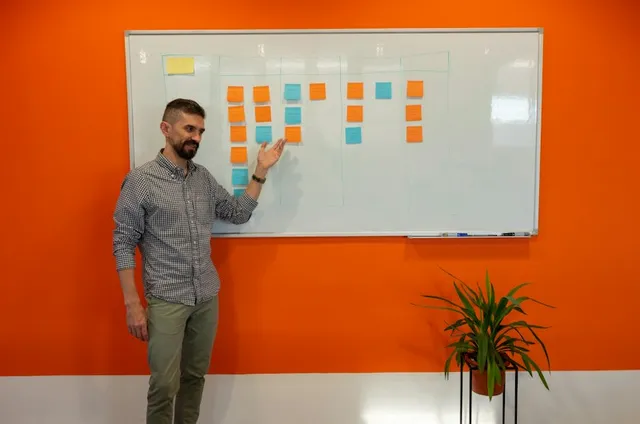 ExplainerTask vs Relationship ConflictLearn the difference between task and relationship conflict in teams, how they interact, and what affects their outcomes.5 min read
- ExplainerUsing Task Conflict EffectivelyLearn how to leverage task conflict for team performance by focusing on content over style, using right resolution strategies, and matching communication6 min read
 ExplainerTask Conflict RecognitionTask conflict recognition means identifying disagreements among team members about the content of tasks, including differing views, ideas, and opinions on how5 min read
 ExplainerTask ConflictTask conflict is when team members disagree about how to complete a task. Learn its effects, dynamics, and management across team settings.5 min read
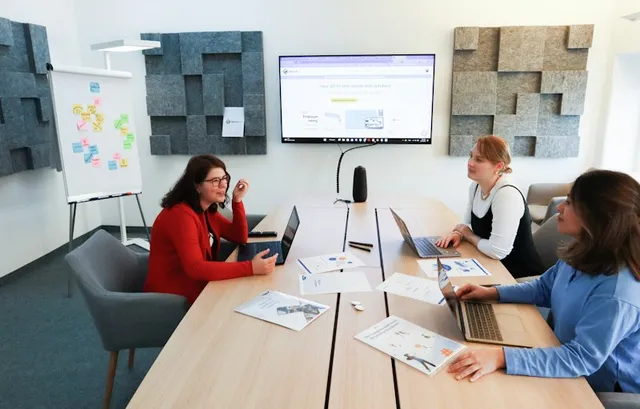 ExplainerTask Conflict AssessmentTask conflict assessment examines the nature, emotional weight, and resolution potential of disagreements about work content, tasks, and ideas.5 min read
 ExplainerTeam Conflict ProfilesTeam conflict profiles are patterns of task, relationship, and process conflict.5 min read
 ExplainerAssessing Intragroup ConflictIntragroup conflict is assessed by distinguishing task vs. relationship conflict, considering trust, origins, and evolution over time.6 min read
 ExplainerUnderstanding Relationship ConflictRelationship conflict arises when disagreements are seen as personal attacks. Learn what it is, how it differs from task conflict, and ways teams address it.5 min read
 ExplainerManaging Team Conflict EffectivelyLearn evidence-based strategies for managing team conflict, including early intervention, open communication, value alignment, and proactive planning.4 min read
 ExplainerIntragroup ConflictLearn about intragroup conflict, its types (task and relationship), how trust moderates spillover, and key outcomes for teams.7 min read
 ExplainerHow Task and Relationship Conflict Are DecoupledLearn how task and relationship conflict are decoupled through emotional regulation, norms, and team strategies to prevent task disagreements from becoming5 min read
 ExplainerWhat Makes Conflict Complex?Conflict complexity depends on task factors, team structure, and resolution approaches. Understand how these elements interact.5 min read
 ExplainerHow Task Conflict and Relationship Conflict Are ConnectedLearn how task conflict and relationship conflict are related, including spillover effects, causal flow, and the role of trust and resolution approaches.4 min read
 ExplainerTask Conflict vs Relationship ConflictTask conflict involves disagreements about work ideas, while relationship conflict involves personal friction. Learn how they differ and their effects.6 min read
 ExplainerUnderstanding Process Conflict ImpactProcess conflict is disagreement over logistics, roles, and responsibilities. It can harm performance and relationships, but early resolution may help.5 min read
 ExplainerMain Types of Intragroup ConflictLearn about the two main types of intragroup conflict: task conflict and relationship conflict, their differences, and how they affect team outcomes.7 min read
 ExplainerTypes of Intragroup ConflictLearn about task and relationship conflict, their effects on team performance, and strategies for managing disagreements.6 min read
 ExplainerIntragroup Conflict and Its AnalysisIntragroup conflict is tension within a team. It is analyzed by distinguishing task and relationship conflict, examining moderators like trust and6 min read
 ExplainerIntegrating Conflict Management StyleThe integrating style is a collaborative approach to conflict that balances high concern for self and others through open problem-solving.6 min read
 ExplainerHow Individual Perceptions Influence ConflictPerceptions shape how people experience and handle conflict. Learn how views of resolution potential, conflict type, and team dynamics affect outcomes.6 min read
 ExplainerDominating Conflict ManagementDominating conflict management uses power and authority to win. Learn its impact on teams, how it is studied, and its relation to team performance.6 min read
 ExplainerTask vs. Relationship Conflict: Key DifferencesLearn how task conflict focuses on work issues while relationship conflict involves personal clashes, and how each affects team performance and resolution.5 min read
 ExplainerWhat Is Relationship Conflict Recognition?Relationship conflict recognition means noticing disagreements from interpersonal issues, not tasks. Learn how it affects teams and communication.6 min read
 ExplainerImpact of Relationship ConflictRelationship conflict in teams hurts satisfaction, commitment, well-being, performance, and collaboration.4 min read
 ExplainerRelationship Conflict AssessmentLearn how relationship conflict in teams is assessed, what outcomes are linked to it, and how to interpret the results.6 min read
 ExplainerManaging Relationship Conflict EffectivelyLearn evidence-based strategies to manage relationship conflict, including integrative resolution, value alignment, and understanding conflict types.4 min read
 ExplainerTask Conflict vs. Relationship ConflictTask conflict centers on work disagreements; relationship conflict involves personal clashes. Learn their differences, effects, and resolution approaches.6 min read
 ExplainerConflict TypologyConflict typology categorizes team disagreements into task, relationship, and process conflict. Learn the definitions, outcomes, and resolution strategies.6 min read
 ExplainerTask Conflict vs Relationship ConflictLearn the key difference between task conflict (disagreements about work) and relationship conflict (personal clashes) and how to handle each.6 min read
 ExplainerHow Different Conflict Types InterrelateTask, relationship, and process conflicts often co-occur. Learn how they interact, why their combination matters, and how resolution approaches affect outcomes.6 min read
 ExplainerConflict Management TrainingConflict management training teaches skills to handle disagreements constructively, improving team performance, innovation, and well-being.7 min read
 ExplainerManaging Task ConflictLearn how to manage task conflict. Strategies include problem solving for important issues, forcing for trivial ones, and using transformational leadership to6 min read
 ExplainerTask ConflictTask conflict is disagreement among group members about the content of tasks. Its effects depend on timing, trust, and how teams interact.6 min read
 ExplainerManaging Relationship Conflict in TeamsLearn practical strategies to manage relationship conflict in teams, including communication, task clarity, and proactive measures.5 min read
 ExplainerHow to Identify Relationship ConflictLearn to recognize relationship conflict by its signs, antecedents, and origins, and understand how it differs from task and process conflict.4 min read
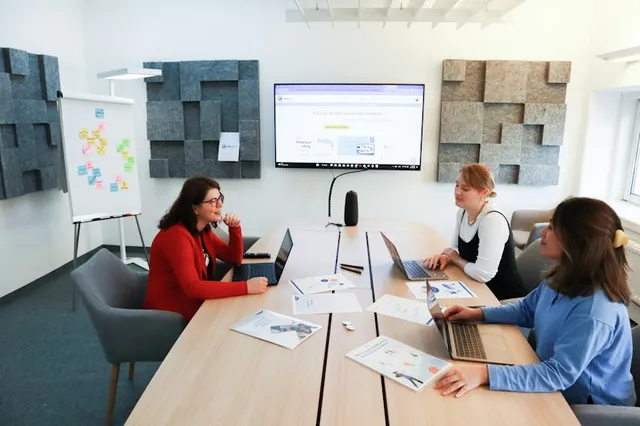 ExplainerProactive Conflict ManagementProactive conflict management means anticipating and preventing team conflicts before they escalate, using strategies like clear communication and coaching.6 min read
 ExplainerCooperative Conflict ManagementCooperative conflict management turns disagreements into mutual problem-solving. Learn the practices, research findings, and team outcomes.6 min read
 ExplainerConstructive ControversyConstructive controversy is a structured process where teams debate opposing task-related views productively, improving decision-making and outcomes.5 min read
 ExplainerConstructive Conflict ManagementConstructive conflict management means using cooperative strategies to address disagreements while preserving relationships and promoting team effectiveness.5 min read
 ExplainerConflict AsymmetryConflict asymmetry is the variation in how team members perceive conflict. This article explains what it is, how it affects teams, and related research.5 min read
- ExplainerCompromise in Conflict ResolutionCompromise in conflict resolution means finding a mutually acceptable middle ground. Learn how it works, when it helps, and when it may backfire.5 min read
 ExplainerDual Concern ModelThe Dual Concern Model explains five conflict management styles based on concern for self and concern for others.6 min read
A place to begin
Make room for your next step.
You do not need to have it all figured out. Bring one real moment to Mneno, notice what matters, and choose one step to try.
Name the moment
Describe what happened in your own words.
Notice what matters
Explore the needs and reactions beneath it.
Choose one step
Find a small action you can try next.
Start a private reflection
Start at your own pace