
Why You See Things Differently from Your Teammates
Conflict asymmetry and attribution bias explain why teammates perceive conflicts differently.
The question
Why do I see things so differently from my teammates?

Overview
You may see things differently from your teammates because conflict perceptions are not automatically shared. This phenomenon, called conflict asymmetry, means some members perceive conflict that others do not, and it can reduce both performance and creativity.
Your own involvement in a conflict can distort your view through attribution biases, making you more likely to see others as being in conflict too. The evidence does not point to one best approach to align perceptions, but it does describe several practices that may help reduce misunderstanding.
Early Process Planning
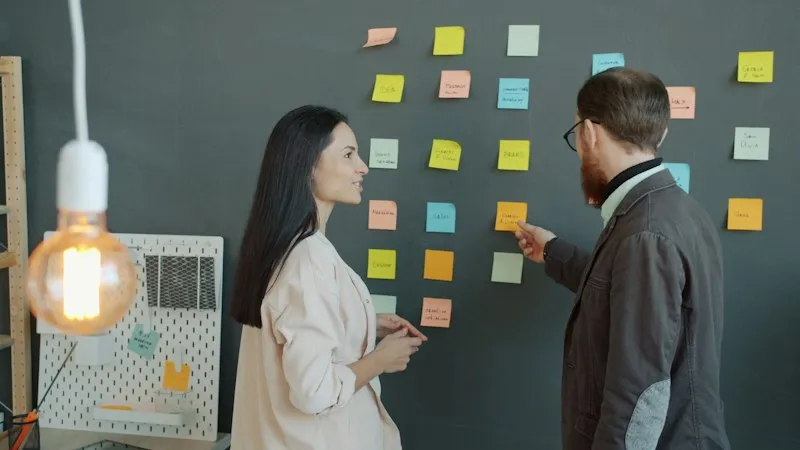
Try discussing timelines, roles, and responsibilities early in a project's life. If you and your teammates sit down together to map out who does what and when, you can often resolve process disagreements before they grow into larger misunderstandings.
Research suggests that engaging team members in project management and planning exercises early helps resolve process conflicts and improves long-term team effectiveness. This practice focuses on clarifying work procedures, not on personalities, so it requires only a willingness to coordinate schedules.
Creating a Team Charter
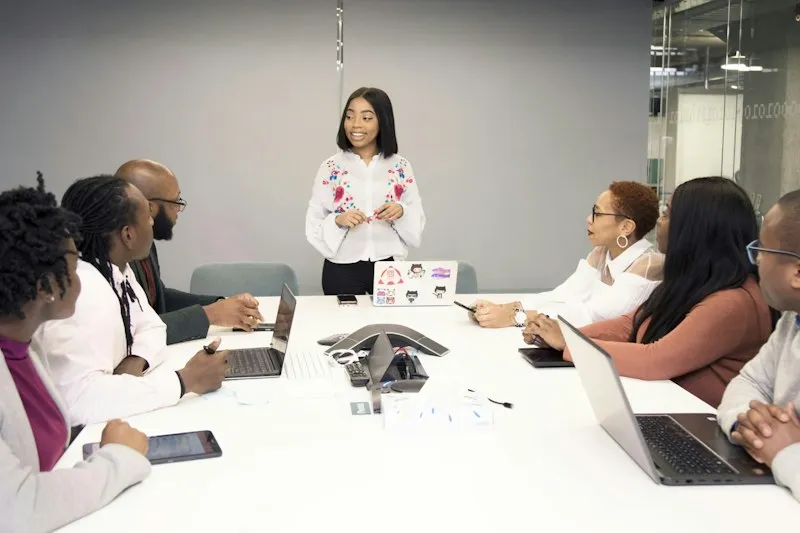
Another option is to develop a team charter that spells out the team's purpose, strategies, each person's responsibilities, and the required skill sets. You would work with a facilitator-someone from HR or an outside consultant-to guide the process.
The charter is intended to reduce ambiguity by clarifying priorities and roles, which can lower process conflict. The evidence comes from practitioner advice, so it represents a suggested approach rather than a rigorously tested intervention, but it offers a structured way to get everyone on the same page.
Building Shared Mental Models
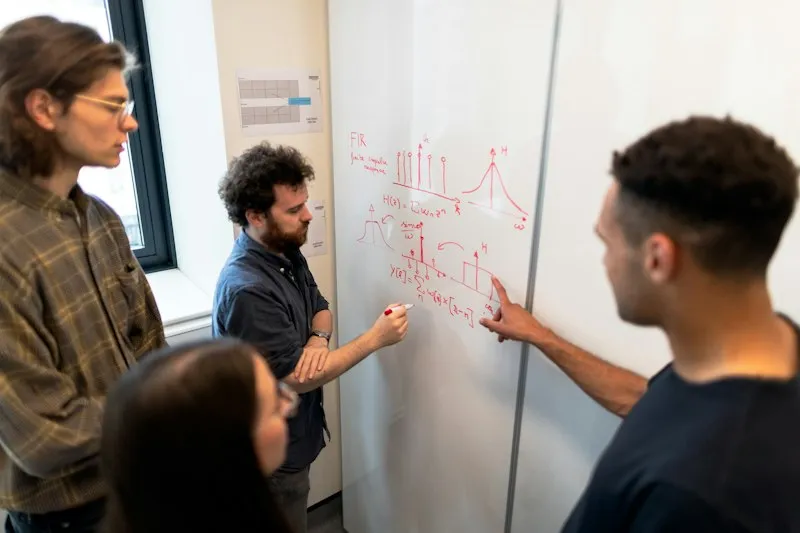
You might also work with your team to develop a common understanding of what counts as conflict and how you will address disagreements. The goal is to create a shared mental model so that everyone interprets the same situation in a similar way.
Theory suggests that shared mental models reduce conflict asymmetry by giving members a common definition of conflict and standardized resolution methods. The relationship has theoretical support, though it has not yet been widely tested in experiments, so treat it as a promising direction rather than a proven fix.
Take it further
Your View
What past experience might be shaping how you see disagreement in your current team?
Talk it out
Talk It Over
Have you ever noticed that two teammates saw the same disagreement completely differently?
References
Sources & evidence
4 research papers informed this article. The numbers beside each section link here, and each DOI opens the original paper.
Source 1:A Qualitative Analysis of Conflict Types and Dimensions in Organizational Groups
Jehn, Karen A. (1997). A Qualitative Analysis of Conflict Types and Dimensions in Organizational Groups. DOI 10.2307/2393737
DOI 10.2307/2393737articleSource 2:Seeing Conflict: A Study of Conflict Accuracy in Work Teams
Avgar, Ariel C., Neuman, Eric J. (2015). Seeing Conflict: A Study of Conflict Accuracy in Work Teams. DOI 10.1111/ncmr.12048
DOI 10.1111/ncmr.12048articleSource 3:Optimizing team conflict dynamics for high performance teamwork
O'Neill, Thomas A., McLarnon, Matthew J.W. (2018). Optimizing team conflict dynamics for high performance teamwork. DOI 10.1016/j.hrmr.2017.06.002
Source 4:Understanding the relationship between mental models, conflict and conflict asymmetry
Bergiel, Erich B., Gainey, Thomas W., Bergiel, Blaise J. (2015). Understanding the relationship between mental models, conflict and conflict asymmetry. DOI 10.1108/tpm-02-2015-0009
DOI 10.1108/tpm-02-2015-0009article
Next read
Keep reading
 MomentsHow do we stop arguing about the process and get work done?If you're stuck in a loop of arguments about roles, timelines, or methods, set concrete shared rules to shift focus to the work.3 min read
 DecisionWhy Does My Team Keep Fighting Over Who Does What?Process conflict over roles and responsibilities can harm team performance. Compare three approaches: low-effort pause, moderate structured plan, or3 min read
 ExplainerUnderstanding Process Conflict ImpactProcess conflict is disagreement over logistics, roles, and responsibilities. It can harm performance and relationships, but early resolution may help.5 min read
- How-toHow to Assess Personal Conflict in Your TeamUse a team discussion to assess shared perceptions of personal conflict, and understand what a consensus response can and cannot tell you.1 min read
 DecisionWhy do I seem to be the only one noticing the conflict in our team?You might be the only one seeing the conflict due to conflict asymmetry. Consider whether to address it, try private outreach, or initiate a team discussion.4 min read
 TechniquesHow to Tell When a Team Conflict Has Become PersonalCompare three practices for recognizing when a team disagreement shifts from task-focused to personal conflict.3 min read