
How do we stop arguing about the process and get work done?
If you're stuck in a loop of arguments about roles, timelines, or methods, set concrete shared rules to shift focus to the work.
Sound familiar?
Every meeting turns into a debate about how to do the work instead of actually doing it.
Overview
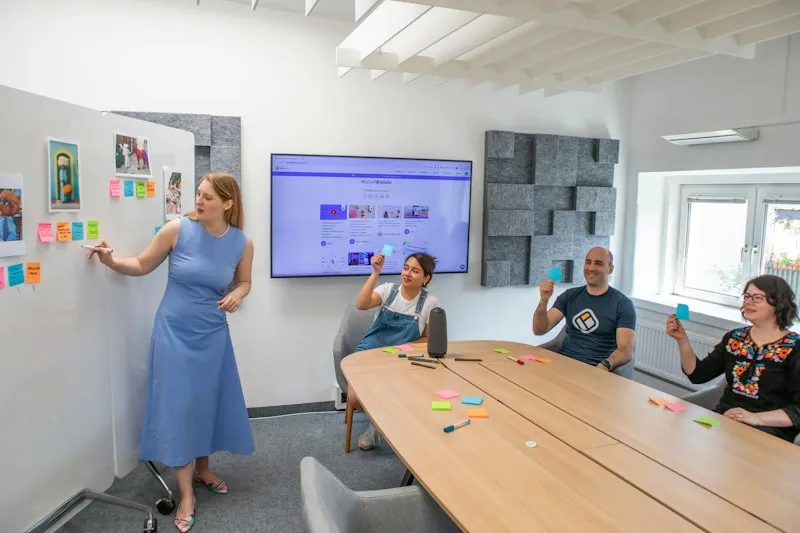
If you are spending more time arguing about who does what, when meetings happen, or how decisions are made than actually completing tasks, you are not being difficult - your team is caught in a process conflict. The quickest way out is to shift from debating endless hypotheticals to creating a shared, written agreement about your workflow.
Start by setting aside a focused session - even 20 minutes - to negotiate a team charter that spells out each person's role, the group's main purpose, and the skills each member brings. A facilitator from HR or a neutral consultant can keep the conversation productive. Once these ground rules are explicit, the ambiguity that fuels the arguments disappears, and everyone can get back to the actual work.
Why process arguments eat up your day

Process conflict - disagreements about who does what, how often to meet, or how to share the workload - thrives on ambiguity. When responsibilities are vague, each person fills in the gaps with their own assumptions, and those assumptions clash. The brain interprets this uncertainty as a threat, so the conversation quickly becomes defensive: instead of solving the task, you are defending your interpretation of how the work should flow.
Teams that eventually break out of this loop share a pattern: they stop focusing on tone or delivery style and instead discuss the reasons behind past decisions about assignments. They also deliberately hand work to the person with the relevant expertise, not just to whoever is available. This shift from personality conflict to content-focused discussion is the lever that stops the arguing.
One tool: a charter with consequences
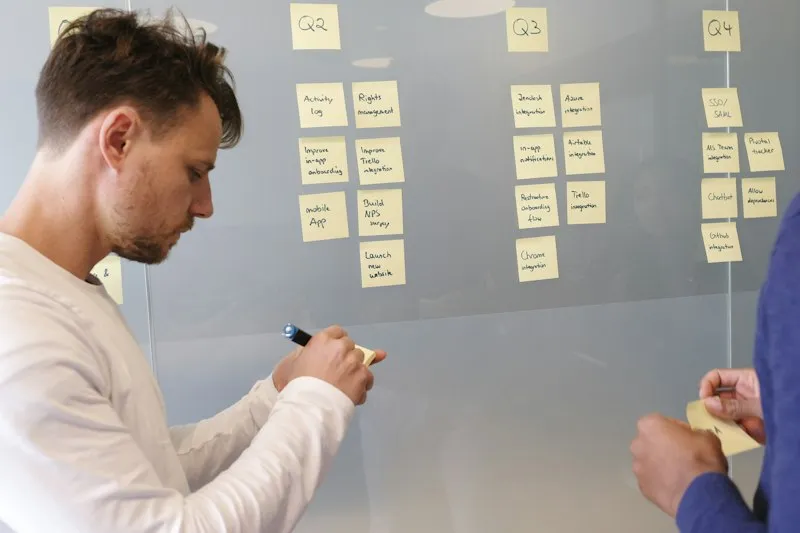
Set a 30-minute timer and draft a one-page team charter together. On it, write down: the team's core purpose, each member's primary responsibilities, the skill sets each person contributes, and how decisions will be made. Do not stop there - add specific consequences for missed deadlines or skipped meetings, such as a small fine or a written notice. Rotate roles like note-taker or facilitator so no one feels stuck with the unappealing tasks forever.
This works because the charter turns abstract anxiety about fairness into concrete rules that everyone agreed to in advance. When an argument starts, you can point back to the charter instead of re-litigating the same debate. Teams that learn from past process mistakes and create these written rules with consequences report fewer recurring conflicts and better ongoing efficiency.
Where are you
What feels closest to your situation right now?
Pick the situation that feels closest and bring it into a private reflection in Mneno.
Not sure? Start here:Help me understand this situation and choose one constructive next step.
- We keep going in circles because no one knows who owns what.Help me clarify each person's core responsibilities so we can stop re-negotiating every task.
- We spend half our time arguing about how often and when to meet.Help me design a simple meeting schedule and decision rule that the whole team can agree on.
- Some people carry more weight and resentment is building.Help me create a fair system for distributing tasks that everyone will actually follow.
References
Sources & evidence
3 research papers informed this article. The numbers beside each section link here, and each DOI opens the original paper.
Source 1:Optimizing team conflict dynamics for high performance teamwork
O'Neill, Thomas A., McLarnon, Matthew J.W. (2018). Optimizing team conflict dynamics for high performance teamwork. DOI 10.1016/j.hrmr.2017.06.002
Source 2:The Role of Conflict Resolution in Teams - An Empirical Study
Mukherjee, Sanjukta (2012). The Role of Conflict Resolution in Teams - An Empirical Study. DOI 10.2139/ssrn.2191886
articleSource 3:Conflict and Performance in Global Virtual Teams
Kankanhalli, Atreyi, Tan, Bernard C.Y., Wei, Kwok-Kee (2006). Conflict and Performance in Global Virtual Teams. DOI 10.2753/mis0742-1222230309
Keep reading
 DecisionWhy Does My Team Keep Fighting Over Who Does What?Process conflict over roles and responsibilities can harm team performance. Compare three approaches: low-effort pause, moderate structured plan, or3 min read
 TechniquesThree Practices for Reducing Process Conflict in TeamsCompare team charter, conflict resolution approaches, and learning from past mistakes to reduce process conflict and improve team performance.3 min read
- How-toHow to Assess Personal Conflict in Your TeamUse a team discussion to assess shared perceptions of personal conflict, and understand what a consensus response can and cannot tell you.1 min read
 ExplainerUnderstanding Process Conflict ImpactProcess conflict is disagreement over logistics, roles, and responsibilities. It can harm performance and relationships, but early resolution may help.5 min read
 TechniquesWhy You See Things Differently from Your TeammatesConflict asymmetry and attribution bias explain why teammates perceive conflicts differently.2 min read
 TechniquesCommon Workplace Conflicts and How to Handle ThemWorkplace conflicts fall into task, relationship, and process types. Learn how each differs and get straightforward approaches to handle them.3 min read