

Teams can manage conflict effectively by addressing issues early, focusing on content rather than personal style, and using structured tools like team charters and open communication norms. Effective conflict management restores collaboration and goal setting, directly improving team performance.
Evidence from team research identifies several successful approaches: resolving disagreements when they arise, discussing the rationale behind work assignments, and assigning tasks based on expertise. Teams that proactively plan for conflict and establish clear communication rules tend to sustain long-term effectiveness.
Early Intervention and Proactive Planning

One of the most effective ways to manage conflict is to address discontent as soon as it is noticed, especially in virtual teams where emotions can escalate into difficult-to-resolve negative comment threads. Early intervention helps prevent small disagreements from turning into entrenched disputes. For virtual teams, it is also advisable to address potentially conflict-laden messages only with the concerned individual rather than the entire team, maintaining privacy and reducing public tension.
Beyond reactive steps, successful teams anticipate the need for conflict resolution by adopting preemptive strategies that apply to all members. Rather than waiting for disagreements to flare up, they design approaches to manage conflict before it escalates, ensuring sustained collaboration and goal setting. This proactive mindset is a hallmark of top-performing teams.
Take it further
Start a Conversation
What has been your experience with team conflict, and have you tried any structured approaches to resolve it?
Reflect in Mneno
Open Communication and Structured Debate
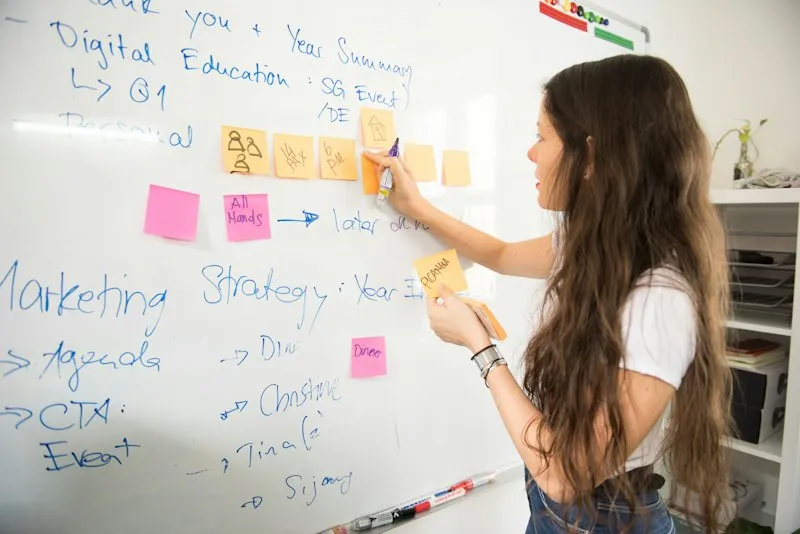
Open Communication is a deliberate strategy that creates norms for resolving task and process conflicts by integrating work style differences, valuing debate, and aligning with team goals. Teams that openly communicated about frustrations and needed changes saw increases in both grades and satisfaction. However, open expression of frustration without a constructive resolution was associated with decreased satisfaction, so the quality of communication matters.
Structured debate and discussion are part of a broader set of conflict resolution categories that include voting, compromise or consensus, discussing or debating, and open communication. These strategies give teams a menu of options to match the conflict at hand. The key is to use these approaches actively and constructively rather than avoiding or ignoring disagreements, which can allow problems to fester.
Focus on Content, Not Delivery Style
Top-performing teams share three conflict-resolution tendencies: focusing on the content of interpersonal interactions rather than delivery style, explicitly discussing reasons behind agreements or decisions, and assigning work to members with relevant expertise rather than by convenience. These practices help depersonalize disagreements and keep the team focused on solving the problem.
Effective conflict management goes beyond suppressing conflict; it actively restores collaboration and goal setting. By concentrating on the substance of interactions and the rationale for assignments, teams can resolve disputes more productively. This approach is especially valuable in high-stakes environments where miscommunication can derail progress.
Team Charters, Values Workshops, and Role Clarity
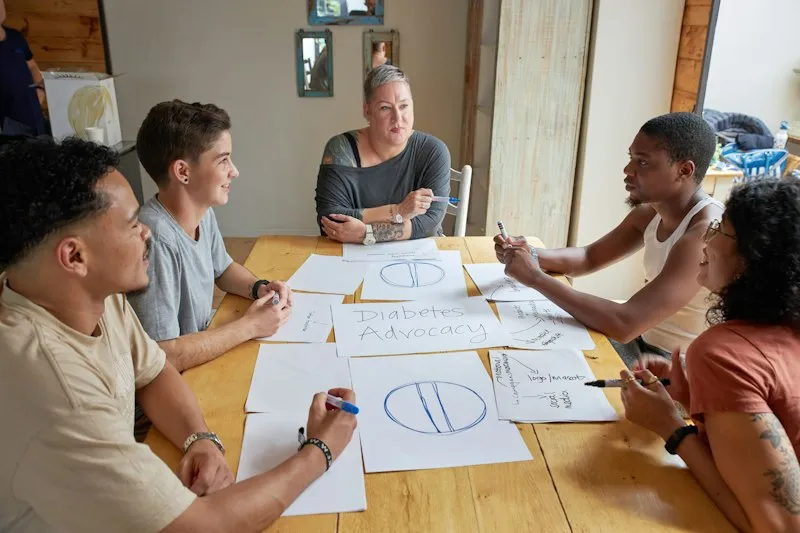
To resolve process conflicts, developing a team charter that specifies the team's purpose, strategies, member responsibilities, and skill sets can be highly effective. Ideally, the charter is created with a facilitator from HR or a consulting firm to ensure its effectiveness. This tool clarifies roles and priorities, reducing ambiguity that often leads to conflict over how work gets done.
For relationship conflicts, ensuring newcomers fit with the team's values is important, because value diversity can promote conflict. A values workshop can help identify core team values, and a 'values moment' during meetings can recognize members demonstrating those values. Additionally, clarifying conflict management norms-such as approaching the person directly before involving a leader-helps address relationship issues early. Similarly, HR practitioners can engage team members in project management and planning exercises to resolve process conflicts early in a team's lifecycle.
FAQ
Common questions
Each answer is linked to its research.
How can virtual teams manage conflict differently from co-located teams?
Virtual teams face unique challenges because emotions left unchecked can erupt into sequences of negative comments that are difficult to resolve asynchronously. One strategy is to address perceived discontent as early as noticed. Another is to address only the concerned individual when dealing with potentially conflict-laden messages rather than sending them to the entire team. Additionally, maintaining predictable, infrequent but regular communication, equal participation, and a focus on task after initial assignments helps build trust and prevent misunderstandings.
SourcesS1S11All sources
What are the indicators that a team is managing conflict effectively?
Indicators of effective conflict management include: team members trying to resolve disagreements when they arise, the team managing conflicts effectively overall, and most team conflicts being successfully resolved. These behaviors signal a healthy conflict resolution process where problems are addressed constructively rather than ignored or left to escalate.
SourcesS8All sources
What role do team values and norms play in reducing relationship conflict?
To manage relationship conflict, it is important to ensure newcomers fit with the team's values, as value diversity can promote conflict. A values workshop can help identify core team values (e.g., commitment, fun work environment), and a 'values moment' during meetings can recognize members demonstrating those values. Additionally, clarifying conflict management norms-such as approaching the person directly, then meeting with the leader-helps address relationship issues early before they escalate.
SourcesS9All sources
Next read
Keep reading
Nearby guides picked by the editors of this article.
 MomentsWhy does my team keep having the same fightsLearn why your team has repeated conflicts and how to use open communication and information sharing to break the cycle.3 min read
 DecisionWhy do I seem to be the only one noticing the conflict in our team?You might be the only one seeing the conflict due to conflict asymmetry. Consider whether to address it, try private outreach, or initiate a team discussion.4 min read
 How-toHow to Help Your Team Cooperate on a Shared SolutionExplore ways to focus team discussions, seek solutions that accommodate members' needs, and make work assignments more deliberate.2 min read
 TechniquesResolving Team Arguments Without EscalationCompare three practices for resolving team arguments: proactive compromise, consensus-building, and open communication. Evidence-based, no winner declared.3 min read
 TechniquesWhy Do Team Meetings Turn Into Fights?Explore three approaches to team conflict: open communication, early resolution, and integrative problem-solving. Compare evidence on each practice.3 min read
- TechniquesWhy Your Team Feels Off After a ConflictExplore practices to understand why conflict can linger in a team, with insights on trust dynamics and communication.3 min read
References
Sources & evidence
4 research papers informed this article. The numbers beside each section link here, and each DOI opens the original paper.
Source 1:Communication and Trust in Global Virtual Teams
Sirkka L. Järvenpää, Dorothy E. Leidner (1999). Communication and Trust in Global Virtual Teams. DOI 10.1287/orsc.10.6.791
articleSource 2:The Role of Conflict Resolution in Teams - An Empirical Study
Mukherjee, Sanjukta (2012). The Role of Conflict Resolution in Teams - An Empirical Study. DOI 10.2139/ssrn.2191886
articleSource 3:Relationship Conflict, Conflict Management, and Performance of Information Technology Teams
Nesterkin, Dmitriy A., Porterfield, Tobin E., Li, Xiaolin (2016). Relationship Conflict, Conflict Management, and Performance of Information Technology Teams. DOI 10.1080/08874417.2016.1153893
Source 4:Optimizing team conflict dynamics for high performance teamwork
O'Neill, Thomas A., McLarnon, Matthew J.W. (2018). Optimizing team conflict dynamics for high performance teamwork. DOI 10.1016/j.hrmr.2017.06.002