
Why Team Arguments Sometimes Damage Relationships
Team arguments can damage relationships when they mix personal conflict with task disagreement.
The question
Why do team arguments sometimes damage our relationships?

Overview
Team arguments damage relationships when they turn into relationship conflict-personal clashes, dislike, or annoyance-rather than staying focused on the task. Research identifies four team conflict profiles ranging from healthy to unhealthy, and the key difference is whether relationship and process conflict are low enough to let task disagreement remain productive.
The evidence points to several practices that can help keep arguments constructive, though no single approach fits every team. The practices described below address how teams handle conflict and whether they express differing views openly without letting them become personal.
Identify your team's conflict profile
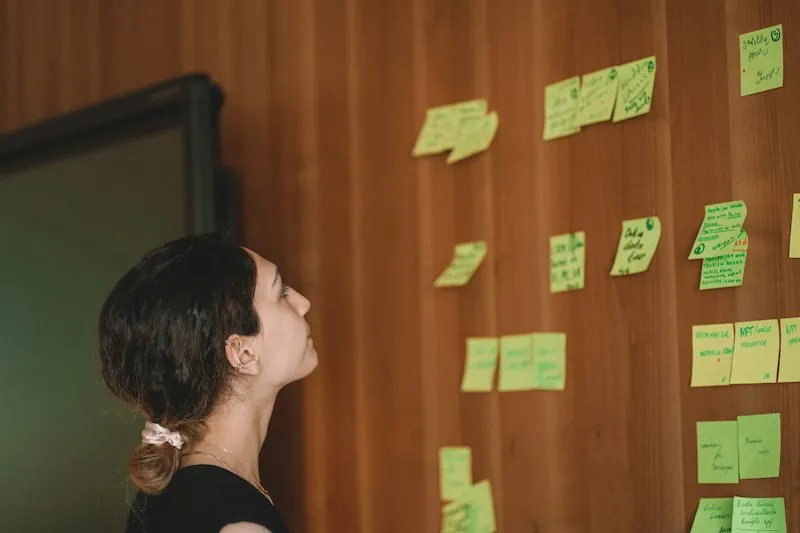
You can start by noticing the mix of arguments in your team-are disagreements mostly about tasks, or do they frequently involve personal friction or process conflicts about how to work? Recognizing your team's pattern is the first step, since healthy profiles (task-conflict-dominant or relationship/process-conflict-minor) keep relationship conflict low so that task disagreement can be productive.
Research has recovered four robust conflict profiles based on combinations of task, relationship, and process conflict. Teams with high relationship and process conflict (mid-range or dysfunctional profiles) are more likely to experience damaged relationships, while teams with low relationship conflict can focus cognitive resources on learning from task differences. Identifying your profile allows targeted, not generic, improvements.
Express differing views openly without raising voices
When you disagree during a team discussion, state your position directly but keep your voice at a normal volume. Openly expressing differing views can prevent those differences from festering into personal conflicts, while raising your voice increases the chance that task disagreement will spill into relationship conflict.
One study found that when loudness was held constant, using positional argument (control tactics) actually reduced relationship conflict, possibly because airing differences openly prevents them from turning personal. However, this finding comes from a specific research context and does not guarantee the same effect in every team setting. The key is to express disagreement without escalating the emotional tone.
Use constructive controversy training
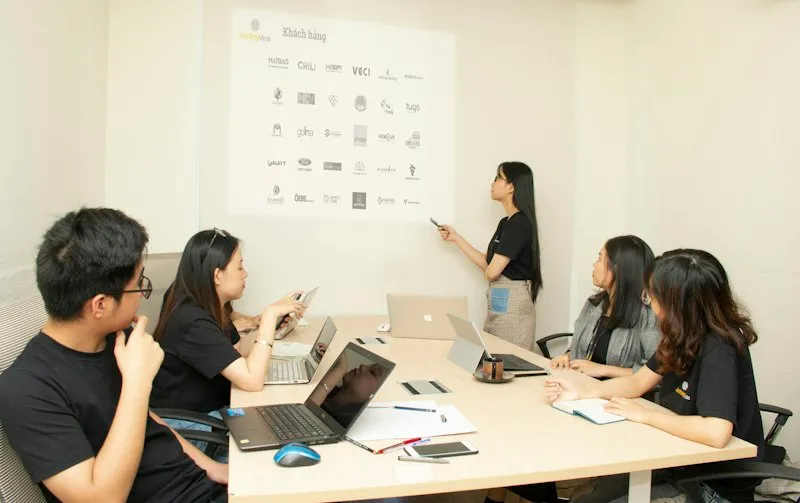
Constructive controversy training involves learning to explore differing viewpoints in a psychologically safe environment. Instead of directly targeting conflict types, this approach helps team members manage how they argue-promoting open inquiry and respect-so that task conflict stays productive and relationship conflict does not take over.
Evidence suggests that for teams with some relationship or process conflict alongside high task conflict (the RC/PC-minor profile), interventions like constructive controversy training can support greater task conflict while reducing relationship and process conflict indirectly. This training does not eliminate disagreement; it changes how the team handles it, though its effectiveness depends on team commitment and skilled facilitation.
Take it further
Reflect on conflict patterns
What does the mix of task, relationship, and process conflict in your team's arguments suggest about how they are affecting your working relationships?
Talk it out
Open a conversation
What kinds of disagreements come up most often in your team, and how do they usually affect the way you work together afterward?
References
Sources & evidence
4 research papers informed this article. The numbers beside each section link here, and each DOI opens the original paper.
Source 1:Optimizing team conflict dynamics for high performance teamwork
O'Neill, Thomas A., McLarnon, Matthew J.W. (2018). Optimizing team conflict dynamics for high performance teamwork. DOI 10.1016/j.hrmr.2017.06.002
Source 2:The multilevel nomological net of team conflict profiles
O’Neill, Thomas A., McLarnon, Matthew J.W., Hoffart, Genevieve, Onen, Denis, et., al. (2017). The multilevel nomological net of team conflict profiles. DOI 10.1108/ijcma-05-2016-0038
Source 3:Conflict and Performance in Global Virtual Teams
Kankanhalli, Atreyi, Tan, Bernard C.Y., Wei, Kwok-Kee (2006). Conflict and Performance in Global Virtual Teams. DOI 10.2753/mis0742-1222230309
Source 4:Task conflict and relationship conflict in top management teams: The pivotal role of intragroup trust.
Simons, Tony L., Peterson, Randall S. (2000). Task conflict and relationship conflict in top management teams: The pivotal role of intragroup trust.. DOI 10.1037/0021-9010.85.1.102
Next read
Keep reading
 MomentsHow do I stop disagreements at work from becoming personal?When a work disagreement starts to feel like a personal attack, see why trust matters and try one separating statement to reset the conversation.3 min read
 DecisionWhy Is There So Much Tension and Arguing Within Our Team?Explore three strategies to address team tension and arguing, from low to high effort, with clear trade-offs based on your current capacity.3 min read
 ExplainerDecoupling Task and Relationship ConflictLearn how teams can separate task disagreements from personal friction, the role of emotional regulation, and the impact on performance.6 min read
 How-toHow to Tell If a Team Fight Is About the Task or About UsLearn how to distinguish task conflict from relationship conflict in your team, using indicators researchers have identified.3 min read
 TechniquesWhy Team Conflicts Escalate and How to Address ThemExplore practices for managing team conflict escalation, including building trust to prevent task disagreements from becoming personal.3 min read
 ExplainerWhat Is Relationship Conflict?Relationship conflict is interpersonal incompatibility causing friction and reduced team performance.5 min read