
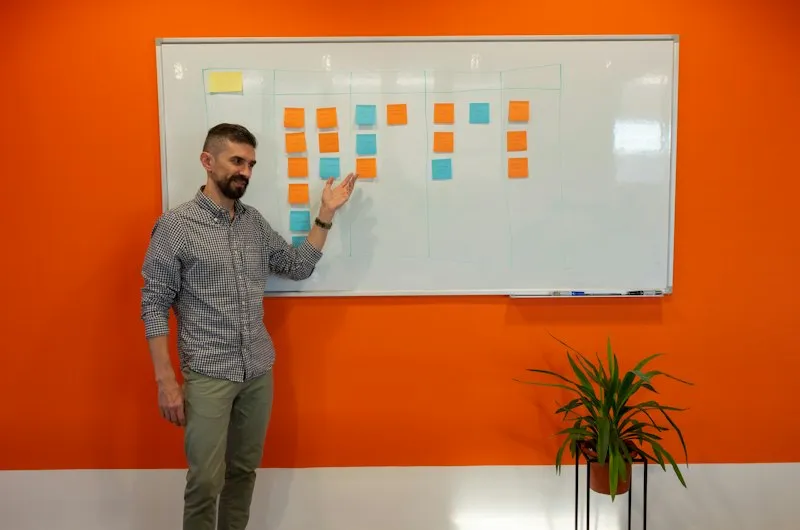
Task conflict refers to disagreements about the work itself-such as goals, tasks, or processes-while relationship conflict involves personal clashes, tension, or animosity between team members. These two types of conflict have distinct sources and effects on team dynamics and performance.
Understanding the difference is crucial because task conflict, when managed well, can spark productive debate, whereas relationship conflict typically harms collaboration. However, the two are linked: in some settings, unresolved task disagreements can escalate into relationship conflict over time.
How Task and Relationship Conflict Are Connected
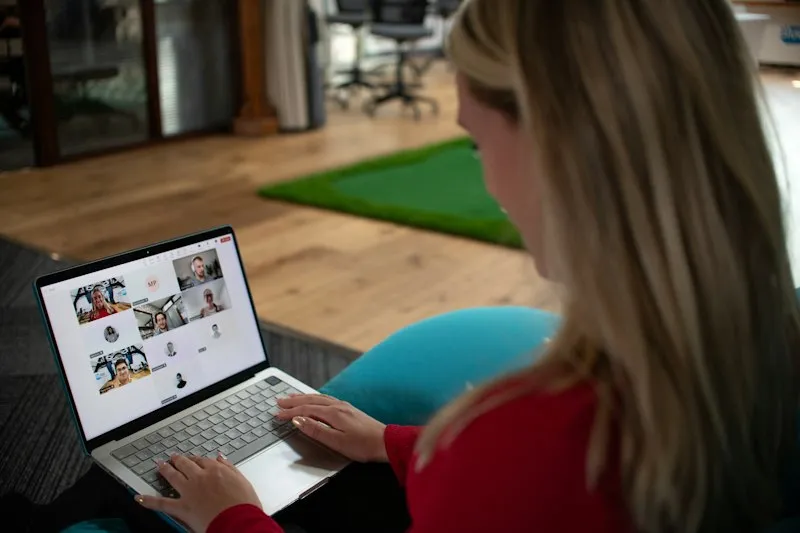
Although task conflict and relationship conflict are distinct, they often influence one another, particularly depending on how teams communicate. Research on student teams working over several weeks found that the richness of the communication medium moderates the relationship between early task conflict and later relationship conflict. In richer media such as face-to-face or video conferencing, intense task disputes may escalate into relationship conflict due to nonverbal cues, interruptions, and emotional expressions.
By contrast, in leaner media like synchronous computer-mediated communication (e.g., text chat), early task conflict does not significantly predict later relationship conflict. Leaner media can suppress this escalation by reducing emotional cues, allowing teams to focus on task issues without misattributing disagreements to personal relationships. This suggests that communication channels play a key role in whether task conflict stays task-focused or becomes personal.
Take it further
Talk About Conflict
What kind of disagreements tend to come up in your team, and how do you usually handle them?
Reflect in Mneno
Outcomes of Task and Relationship Conflict in Different Media

The effects of task and relationship conflict on team performance vary by communication medium and over time. In a month-long laboratory experiment comparing face-to-face (FTF), videoconference (VC), and computer-mediated communication (CMC) teams, VC teams were the highest performing overall and CMC teams the lowest. However, when task conflict increased, VC team performance diminished during the first stage of teamwork. In contrast, FTF team performance was improved by task conflict and also by process conflict.
After team members gained experience, relationship and process conflict damaged performance more seriously in CMC teams than in FTF teams. These findings highlight that the same type of conflict can have opposite effects depending on the communication medium and the team's stage of development. Managers and team leaders should be aware that early task disagreements in videoconference settings may be particularly disruptive and may need additional support.
Effective Conflict Resolution Approaches
The approach teams take to resolve conflict significantly moderates its impact on performance. In global virtual teams, research suggests that task conflict should be resolved integratively (through collaboration) or distributively (through assertion), because avoidance does not yield beneficial outcomes. For relationship conflict, an integrative approach helps avoid harmful effects on team performance. The specific resolution needed may also depend on task complexity and task interdependence.
Teams that improve over time tend to share three conflict-resolution tendencies: focusing on the content of interactions rather than delivery style, explicitly discussing reasons behind decisions about work assignments, and assigning work based on relevant expertise rather than convenience. Additionally, creating norms of open communication that integrate work style differences, the value of debate, and team goals can help resolve task and process conflicts. When teams openly communicated about frustrations and needed changes, they saw increased satisfaction and performance. However, open expression of frustration without constructive resolution was associated with decreased satisfaction.
A Closer Look at Conflict Resolution Strategy Clusters

Research has identified seven clusters of conflict resolution strategies teams use, including Voting, Compromise/Consensus, Discuss/Debate, Open Communication, Idiosyncratic Solutions, Avoided/Ignored, and Rotating Responsibilities. Each cluster represents a different approach, from evidence-driven debate to premature compromise or direct confrontation. The choice of strategy can influence whether conflict becomes productive or destructive.
For example, Discuss/Debate strategies range from constructive, evidence-driven idea debate to more controversial debates on process issues. Open Communication strategies can vary from ego-invested to amicable tones. Avoided/Ignored strategies, while sometimes used to prevent escalation, may allow underlying issues to persist. Understanding these clusters helps teams recognize their own patterns and choose approaches that better suit the type of conflict they face.
SourcesS4
FAQ
Common questions
Each answer is linked to its research.
Can task conflict ever improve team performance?
Yes, under the right conditions. In face-to-face teams, research found that task conflict actually improved performance, and the same was true for process conflict. However, this benefit depends on factors such as communication medium, team experience, and how the conflict is resolved. For example, in videoconference teams, task conflict diminished performance during early stages, while in lean computer-mediated communication, performance benefits were not observed. Effective resolution approaches, such as integrative collaboration, can help harness task conflict constructively.
SourcesS5S6All sources
Why is relationship conflict generally harmful to teams?
Relationship conflict involves personal animosity and tension, which typically erodes trust, communication, and collaboration. Research shows that in global virtual teams, relationship conflict can damage performance, especially if not resolved integratively. After team members gain experience, relationship conflict damages performance more seriously in computer-mediated communication (CMC) teams than in face-to-face teams. The personal nature of relationship conflict makes it difficult to separate from task discussions, and studies indicate that lean media may not fully prevent its negative effects once it emerges.
SourcesS5S6S8All sources
What is the role of communication medium in conflict escalation?
Communication medium richness influences whether task conflict escalates into relationship conflict. In rich media like face-to-face or video conferencing, early task conflict can trigger later relationship conflict, likely due to nonverbal cues and emotional expressions. In contrast, lean media such as synchronous text chat reduces these factors, allowing teams to address task disagreements without personalizing them. However, lean media can also amplify the negative effects of existing relationship conflict over time, so the medium's impact changes as teams develop.
SourcesS1S9S12All sources
Next read
Keep reading
Nearby guides picked by the editors of this article.
 MomentsIs this team fight about the work or about us?Learn to tell whether a team disagreement is about the task or about personal issues, and how to redirect conflict toward better outcomes.3 min read
- DecisionHow to Argue About Ideas Without Hurting the RelationshipThree strategies for debating ideas while preserving your relationship. Compare low, moderate, and high effort options based on conflict research.3 min read
 How-toWhy do we keep arguing about the wrong things in our team?Understand common patterns that shift team arguments from tasks to personal issues, and learn strategies to refocus conflict on what matters.6 min read
 TechniquesIs This About the Task or About Us?Compare practices to tell whether an argument is about the work or the relationship, including shifting focus, medium choice, and open communication.3 min read
- TechniquesHow to Tell If Your Argument Is About the Task or About YouLearn to distinguish task conflict from relationship conflict using three evidence-based practices: check the focus of the disagreement, assess the emotional3 min read
 TechniquesHow to Tell When a Team Conflict Has Become PersonalCompare three practices for recognizing when a team disagreement shifts from task-focused to personal conflict.3 min read
References
Sources & evidence
4 research papers informed this article. The numbers beside each section link here, and each DOI opens the original paper.
Source 1:Investigating face-to-face and virtual teamwork over time: When does early task conflict trigger relationship conflict?
Martínez-Moreno, Edurne, Zornoza, Ana, González-Navarro, Pilar, Thompson, Lori Foster (2012). Investigating face-to-face and virtual teamwork over time: When does early task conflict trigger relationship conflict?. DOI 10.1037/a0029569
articleSource 2:The Role of Conflict Resolution in Teams - An Empirical Study
Mukherjee, Sanjukta (2012). The Role of Conflict Resolution in Teams - An Empirical Study. DOI 10.2139/ssrn.2191886
articleSource 3:Relationship, task and process conflicts on team performance
Martínez-Moreno, Edurne, González-Navarro, Pilar, Zornoza, Ana, Ripoll, Pilar (2009). Relationship, task and process conflicts on team performance. DOI 10.1108/10444060910974876
Source 4:Conflict and Performance in Global Virtual Teams
Kankanhalli, Atreyi, Tan, Bernard C.Y., Wei, Kwok-Kee (2006). Conflict and Performance in Global Virtual Teams. DOI 10.2753/mis0742-1222230309