
Is This About the Task or About Us?
Compare practices to tell whether an argument is about the work or the relationship, including shifting focus, medium choice, and open communication.
The question
Is this argument about the work or about our relationship?
Overview
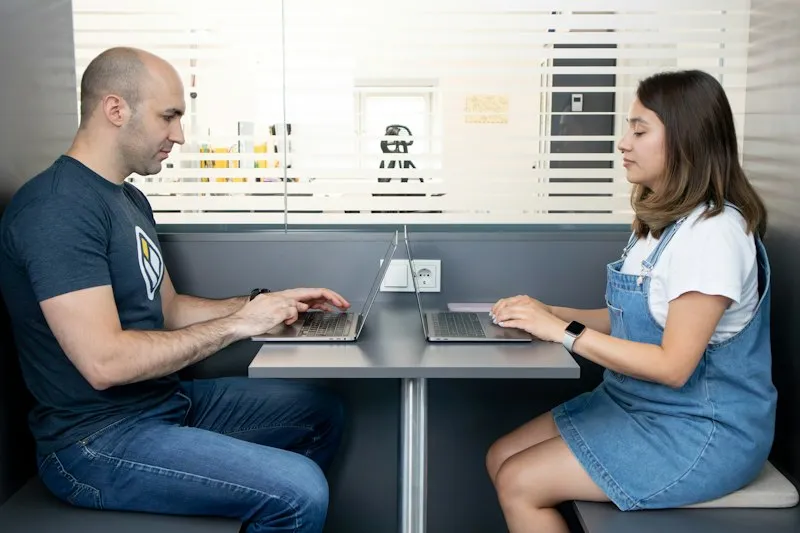
When a disagreement arises, it can be hard to tell whether it is about the task itself or about your relationship with the other person. Research on team communication offers several practices that can help you distinguish task conflict from relationship conflict, though no single approach fits every situation.
The following three practices are drawn from studies of team dynamics and communication technology. They focus on how you direct your attention, the medium you use, and how openly you discuss the disagreement. Each practice has different demands and limitations, and the evidence does not establish which is best for you.
Shift Focus to the Task
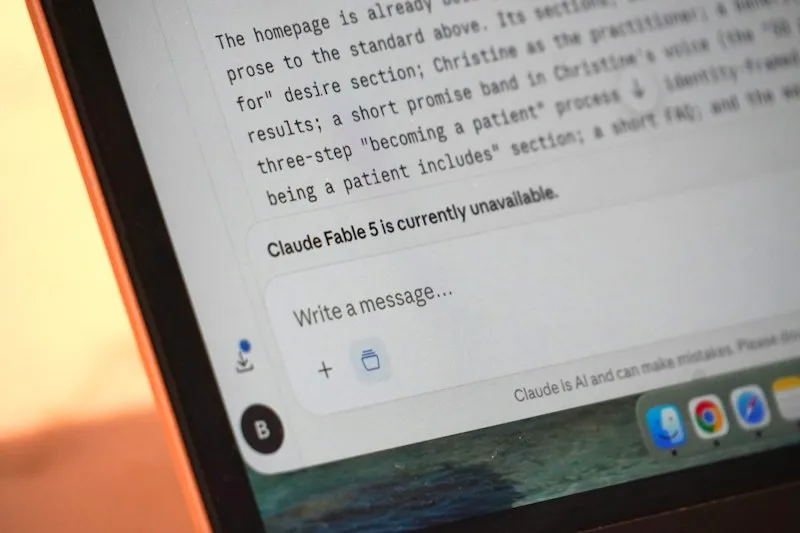
Deliberately concentrate on the task at hand rather than on interpersonal signals. If you are in a text-based conversation, try to keep your attention on the work content. Research suggests that when team members focus intently on the task, they may not perceive relationship conflict even if it exists, because their cognitive focus acts as a buffer.
In one explanation based on team communication studies, task focus can prevent you from interpreting interpersonal tension as relationship conflict during a work-related argument. However, this effect was observed in the context of lean media (synchronous text communication), and it does not mean objective relationship issues disappear - it only changes what you subjectively notice.
Use Lean Media for Disagreements

When a disagreement arises, continue the conversation using text-based synchronous communication (like instant messaging) rather than moving to video or face-to-face. Lean media can prevent early task conflict from escalating into relationship conflict, because it lacks the nonverbal cues and interruptions that can make a dispute feel personal.
A study of team communication found that for teams using text-based synchronous computer-mediated communication, early task conflict did not significantly predict later relationship conflict, unlike teams using richer media. While this practice may reduce misinterpretation, it requires both parties to be available and willing to use the same medium, and the evidence comes from studies of team dynamics rather than personal relationships.
Encourage Open Communication

Invite straightforward, honest discussion about the disagreement. Open communication in teams has been associated with higher task conflict and lower relationship conflict. When you express divergent opinions freely and encourage others to do the same, you can focus on the substance of the disagreement without it feeling like a personal attack.
In research on team dynamics, open communication strengthened the link between a team's need for achievement and task conflict, meaning it helped members debate ideas more assertively. It also strengthened the negative association between need for affiliation and relationship conflict, reducing interpersonal friction. However, this practice works best when team members already feel psychologically safe and may require building trust before open discussion feels natural.
Take it further
Pause and Consider
What signals in the conversation feel most unclear to you right now?
Talk it out
Talk It Over
When you are in a disagreement, what helps you tell whether it is about the work or about the relationship?
References
Sources & evidence
4 research papers informed this article. The numbers beside each section link here, and each DOI opens the original paper.
Source 1:Investigating face-to-face and virtual teamwork over time: When does early task conflict trigger relationship conflict?
Martínez-Moreno, Edurne, Zornoza, Ana, González-Navarro, Pilar, Thompson, Lori Foster (2012). Investigating face-to-face and virtual teamwork over time: When does early task conflict trigger relationship conflict?. DOI 10.1037/a0029569
DOI 10.1037/a0029569articleSource 2:Direct and Contextual Influence of Team Conflict on Team Resources, Team Work Engagement, and Team Performance
Costa, Patrícia L., Passos, Ana M., Bakker, Arnold B. (2015). Direct and Contextual Influence of Team Conflict on Team Resources, Team Work Engagement, and Team Performance. DOI 10.1111/ncmr.12061
DOI 10.1111/ncmr.12061articleSource 3:Conflict and Performance in Global Virtual Teams
Kankanhalli, Atreyi, Tan, Bernard C.Y., Wei, Kwok-Kee (2006). Conflict and Performance in Global Virtual Teams. DOI 10.2753/mis0742-1222230309
Source 4:Members’ needs, intragroup conflict, and group performance.
Chun, Jinseok S., Choi, Jin Nam (2014). Members’ needs, intragroup conflict, and group performance.. DOI 10.1037/a0036363
DOI 10.1037/a0036363article
Next read
Keep reading
 MomentsHow do I stop disagreements at work from becoming personal?When a work disagreement starts to feel like a personal attack, see why trust matters and try one separating statement to reset the conversation.3 min read
 DecisionHow to Tell If a Team Debate Is About a Task or a Personal IssueThree strategies to judge whether a team debate is about the task or a personal issue, compared by immediate effort and trade-offs.1 min read
 ExplainerTask vs Relationship ConflictLearn the difference between task and relationship conflict in teams, how they interact, and what affects their outcomes.5 min read
 How-toWhy Does My Team Argue About Priorities Instead of Solving the Real Problem?Understand why team arguments about priorities may signal low trust, turning helpful task debate into personal conflict. Learn how to address the real issue.4 min read
 ExplainerIntragroup Conflict and Its AnalysisIntragroup conflict is tension within a team. It is analyzed by distinguishing task and relationship conflict, examining moderators like trust and6 min read
 ExplainerWhat Is Relationship Conflict?Relationship conflict is interpersonal incompatibility causing friction and reduced team performance.5 min read