
Why do we keep arguing about the wrong things in our team?
Understand common patterns that shift team arguments from tasks to personal issues, and learn strategies to refocus conflict on what matters.
Why do we keep arguing about the wrong things in our team?
- Task Conflict
- Relationship Conflict
- Conflict Resolution
- Team Dynamics

Overview
Team arguments often drift from the real issues-like tasks or processes-into personal attacks or unresolved interpersonal tensions, making conflict feel unproductive. Researchers distinguish between task conflict (disagreements about work content and goals), relationship conflict (personal incompatibilities and emotional clashes), and process conflict (arguments about roles, resources, and procedures). When teams address the wrong conflict type or let task disagreements turn personal, performance and satisfaction can suffer.
The evidence from studies on team conflict shows that how you resolve disagreements matters more for team performance than the level of conflict itself. Research on global virtual teams and high-performing work groups highlights specific approaches, such as focusing on task content rather than personality, using structured debate, and resolving process conflicts early through planning. However, these findings come from specific organizational contexts and may not apply to every team setting without adaptation.
1. Distinguish which type of conflict is really happening
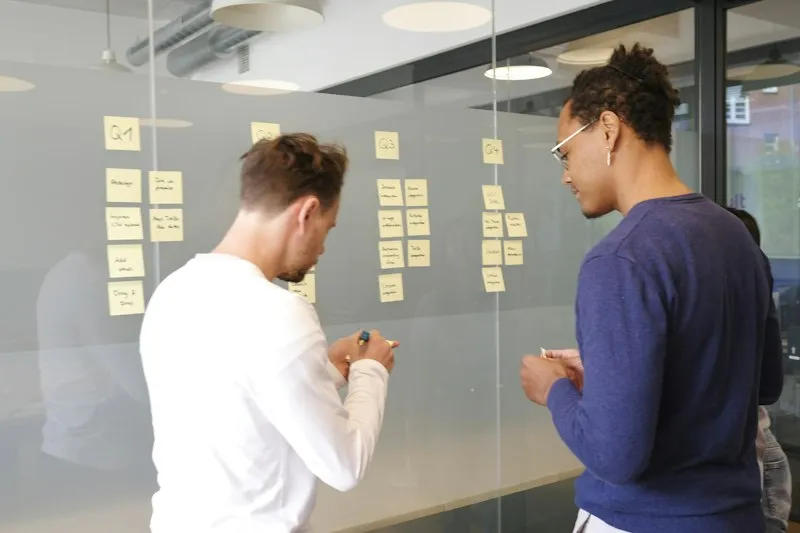
When an argument starts to feel personal, pause and decide whether you are dealing with task, process, or relationship conflict. Task conflict involves disagreements about ideas, data, or how to solve a problem. Process conflict centers on who does what, resource allocation, and timelines. Relationship conflict stems from personal incompatibilities or emotional friction. Recognizing the type helps you choose the right response: for task conflicts, focus on facts and ideas; for process conflicts, re-clarify roles; for relationship conflicts, address interpersonal issues directly before they spill into other areas.
This distinction draws from research on conflict types and their different effects on team performance. Studies show that moderate task conflict can be productive, while high process conflict (e.g., arguing over who does what) increases role ambiguity and wastes time. Relationship conflict, if unresolved, damages team viability. However, these categories overlap in practice, and one type can trigger another. The goal is not to classify perfectly but to notice when the argument has shifted away from the original topic and guide it back.
2. Use structured discussion rules to refocus on tasks

If arguments drift into personal attacks or unproductive cycles, try imposing simple discussion rules: take turns speaking, let one person finish before responding, and direct comments to the task content, not the person. When discussing different viewpoints, list pros and cons using facts and aim for compromise or consensus. Avoid letting the conversation slide into personality judgments or past grievances. If an impasse remains and time is short, use voting as a last resort, not as a first step.
These strategies come from research on teams that resolved task conflicts effectively. The study on high-performing, high-satisfaction teams found that staying focused on task-related content-rather than interpersonal quirks-helped resolve disagreements. Another source notes that structured debate with clear rules prevents relationship conflict from escalating. However, these approaches work best when team members are willing to cooperate; if underlying relationship issues are intense, task-focused rules alone may not suffice and may need separate attention.
3. Clarify roles, resources, and plans before they lead to conflict
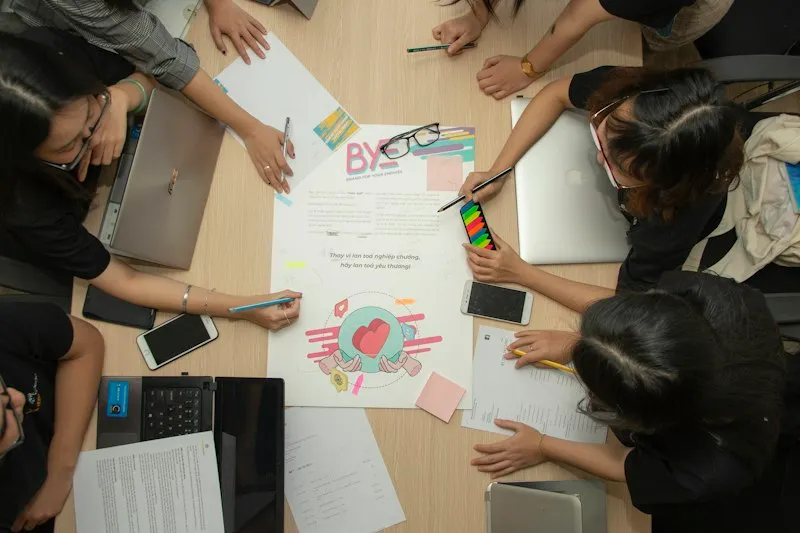
Many team arguments arise not from the work itself but from confusion about who should do what or how resources are allocated. At the start of a project or when disagreements surface, hold a brief session to discuss timelines, individual responsibilities, and skill sets. Create a simple written plan (a team charter) that spells out each member's role, the team's purpose, and key strategies. This reduces ambiguity and prevents later arguments about duties or unfair workloads.
This step is supported by findings that early process conflict resolution-through planning and role clarification-improves long-term team effectiveness. One study showed that small amounts of process conflict resolved by efficient duty assignments can actually boost performance by matching the right person to the task. But high unresolved process conflict is detrimental, leading to turnover intentions and wasted time. The team charter tool works best when everyone participates in creating it, ideally with a neutral facilitator, to ensure buy-in.
4. Check whether the conflict is actually resolvable-and if not, escalate wisely

Not every conflict can be resolved within the team. If an argument centers on deep personality clashes, long-standing resentment, or a high-stakes strategic decision with no mutual flexibility, it may be perceived as unresolvable. In such cases, trying to resolve it internally can worsen frustration. Instead, consider bringing in a supervisor, mediator, or HR professional to help reframe the issue or decide the path forward. If a team member's behavior consistently undermines the group, ignore the negative behavior while acknowledging any positive contributions, and escalate if needed.
Research distinguishes between conflicts with high resolution potential (e.g., process conflicts solved by a manual or supervisor) and low resolution potential (e.g., personality-based or high-importance conflicts). For relationship conflicts, teams that ignore disruptive but minor behavior may preserve group focus, but this approach does not address the root cause. The key is not to insist on full resolution of every conflict; sometimes the best move is to separate task discussions from interpersonal issues and get external help for the latter.
Where the evidence stops
Limits and considerations
The research behind these strategies comes mainly from studies of global virtual teams and high-performing organizational teams, so their applicability may vary in different cultures, team sizes, or industries. Not every conflict benefits from immediate resolution; sometimes time and reflection help. Also, these approaches assume team members have basic communication skills and a willingness to engage constructively. In cases of harassment, discrimination, or severe power imbalances, professional mediation or formal HR procedures may be necessary, and minor conflicts may reflect larger systemic issues.
Common questions
How can I tell if a conflict is about tasks or about the person?
Task conflicts focus on ideas, methods, data, or solutions; they often use 'we' and stay on the problem. Relationship conflict involves personal criticism, tone, or past grievances. If the conversation shifts from 'what we should do' to 'who is wrong,' it has likely moved into relationship conflict.
Is it always bad to have conflict in a team?
No. Moderate task conflict can enhance group performance by encouraging diverse viewpoints and better solutions. However, high levels of task conflict accompanied by strong negative emotion or perceived irresolvability can become dysfunctional. Relationship conflict and high levels of process conflict are usually detrimental.
What if the team avoids conflict altogether?
Avoidance can prevent both productive task debates and necessary resolution of real issues. Research shows that unresolved task conflict does not benefit performance and that avoidance may worsen relationship conflict. The goal is not to reduce conflict levels but to address it constructively.
Take it further
Pause and reflect
What usually happens right before a team argument shifts from the work to something personal, and what might help you notice that shift earlier?
Talk it out
Open the conversation
I've noticed our recent disagreements sometimes end up feeling personal-has that been on your mind too?
Keep reading
 MomentsIs this team fight about the work or about us?Learn to tell whether a team disagreement is about the task or about personal issues, and how to redirect conflict toward better outcomes.3 min read
- DecisionHow to Argue About Ideas Without Hurting the RelationshipThree strategies for debating ideas while preserving your relationship. Compare low, moderate, and high effort options based on conflict research.3 min read
 ExplainerDecoupling Task and Relationship ConflictLearn how teams can separate task disagreements from personal friction, the role of emotional regulation, and the impact on performance.6 min read
 TechniquesUnderstanding Task Conflicts with CoworkersExplore evidence-based practices to manage task conflicts with coworkers, reduce relationship conflict, and improve team dynamics.3 min read
- TechniquesHow to Tell If Your Argument Is About the Task or About YouLearn to distinguish task conflict from relationship conflict using three evidence-based practices: check the focus of the disagreement, assess the emotional3 min read
 TechniquesHow to Tell When a Team Conflict Has Become PersonalCompare three practices for recognizing when a team disagreement shifts from task-focused to personal conflict.3 min read
References
Sources & evidence
4 research papers informed this article. The numbers beside each section link here, and each DOI opens the original paper.
Source 1:A Qualitative Analysis of Conflict Types and Dimensions in Organizational Groups
Jehn, Karen A. (1997). A Qualitative Analysis of Conflict Types and Dimensions in Organizational Groups. DOI 10.2307/2393737
articleSource 2:The Role of Conflict Resolution in Teams - An Empirical Study
Mukherjee, Sanjukta (2012). The Role of Conflict Resolution in Teams - An Empirical Study. DOI 10.2139/ssrn.2191886
articleSource 3:Conflict and Performance in Global Virtual Teams
Kankanhalli, Atreyi, Tan, Bernard C.Y., Wei, Kwok-Kee (2006). Conflict and Performance in Global Virtual Teams. DOI 10.2753/mis0742-1222230309
Source 4:Optimizing team conflict dynamics for high performance teamwork
O'Neill, Thomas A., McLarnon, Matthew J.W. (2018). Optimizing team conflict dynamics for high performance teamwork. DOI 10.1016/j.hrmr.2017.06.002
A place to begin
Make room for your next step.
You do not need to have it all figured out. Bring one real moment to Mneno, notice what matters, and choose one step to try.
Name the moment
Describe what happened in your own words.
Notice what matters
Explore the needs and reactions beneath it.
Choose one step
Find a small action you can try next.
Start at your own pace