
Understanding Task Conflicts with Coworkers
Explore evidence-based practices to manage task conflicts with coworkers, reduce relationship conflict, and improve team dynamics.
The question
Why do I keep fighting with my coworkers over tasks?

Overview
When you find yourself repeatedly fighting with coworkers over tasks, it often stems from task conflicts escalating into relationship conflicts. Evidence suggests that task disagreements can turn personal, especially when team members interact intensely or when issues feel threatening to social standing. Understanding this dynamic is the first step toward addressing the root of recurring disputes.
The practices below, drawn from research on team conflict, offer ways to approach task disagreements constructively. They include focusing on important issues, reducing perceived threats, and managing interaction patterns. While evidence indicates these approaches can help, it doesn't establish a one-size-fits-all solution, so consider which aligns with your situation.
Focus on Important Issues
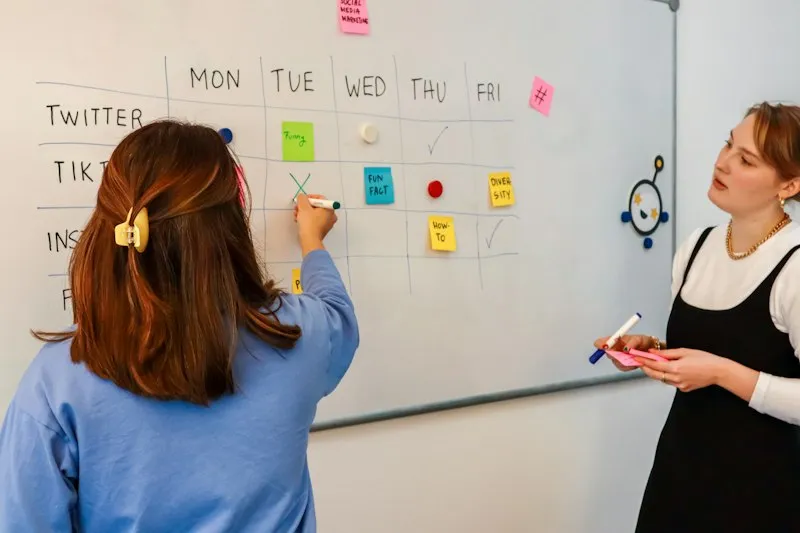
When a task conflict arises, try steering the discussion toward the substantive issues at stake rather than personal preferences. This means asking questions like, "What is the core problem we need to solve?" and keeping the focus on the task's importance. By doing so, you may prevent the disagreement from being misinterpreted as a personal attack, which is a common trigger for relationship conflict.
Research indicates that when task conflicts involve important issues, teams are less likely to see them as relationship conflicts, reducing negative emotionality. One study found that the link between task and relationship conflict weakens when issues are important, acting as a buffer. This suggests that emphasizing the significance of the task can help keep disagreements productive, though it may not always prevent escalation.
Lower Perceived Threat

If you sense a coworker is becoming defensive, try to reduce the perceived threat by framing your points as questions or collaborative exploration rather than challenges. For example, instead of saying, "Your approach is wrong," you might say, "What if we considered another angle?" This approach aims to minimize the social threat that can trigger fight-or-flight responses, which narrow thinking and increase rigidity.
Social self-preservation theory suggests that when people feel their competence or status is threatened, they react defensively, which fuels unhealthy conflict. Studies show that high threat is associated with dysfunctional conflict profiles, making it harder to process task information. By lowering the threat level, you may help keep disagreements constructive, though evidence doesn't guarantee this will work in every interaction.
Manage Interaction Intensity

If you find that frequent interactions with a coworker often lead to conflict, consider adjusting the intensity or context of those interactions. This might mean scheduling discussions at calmer times, using structured agendas, or taking breaks when tensions rise. The goal is to create conditions where task disagreements don't automatically spiral into personal conflicts.
Research shows that the link between task conflict and later relationship conflict depends on the level of team interaction. In one study, the interaction term was significant, meaning that high interaction can amplify the risk of task conflicts turning personal. This suggests that managing how and when you interact might help, though it's not a proven solution for all teams.
Build Trust and Psychological Safety

Invest in strengthening trust and psychological safety within your team as a foundation for handling task conflicts. This involves creating an environment where members feel safe to express differing opinions without fear of personal judgment. Practically, you might encourage open communication, acknowledge mistakes, and reinforce that disagreements are about tasks, not people.
Evidence suggests that teams with low relationship conflict benefit more from task conflict, leading to better problem-solving and flexibility. High relationship conflict, in contrast, causes rigidity and unwillingness to change. Fostering trust and safety can minimize relationship conflict, allowing task conflicts to be productive. While this practice is supported, it requires ongoing effort and is not a quick fix.
Take it further
Reflect on Your Context
What specific aspects of your interactions with coworkers might be influencing the escalation of task disagreements into personal conflicts?
Talk it out
Open a Dialogue
Have you noticed a pattern in when disagreements with coworkers turn into personal conflicts?
References
Sources & evidence
4 research papers informed this article. The numbers beside each section link here, and each DOI opens the original paper.
Source 1:An examination of organizational and team commitment in a self-directed team environment.
Bishop, James W., Scott, K. Dow (2000). An examination of organizational and team commitment in a self-directed team environment.. DOI 10.1037/0021-9010.85.3.439
Source 2:The multilevel nomological net of team conflict profiles
O’Neill, Thomas A., McLarnon, Matthew J.W., Hoffart, Genevieve, Onen, Denis, et., al. (2017). The multilevel nomological net of team conflict profiles. DOI 10.1108/ijcma-05-2016-0038
Source 3:The Influence of Conflict Issue Importance on the Co‐occurrence of Task and Relationship Conflict in Teams
Rispens, Sonja (2011). The Influence of Conflict Issue Importance on the Co‐occurrence of Task and Relationship Conflict in Teams. DOI 10.1111/j.1464-0597.2011.00473.x
Source 4:The influence of intra‐team conflict on work teams' affective climate: A longitudinal study
Gamero, Nuria, González‐Romá, Vicente, Peiró, José M. (2008). The influence of intra‐team conflict on work teams' affective climate: A longitudinal study. DOI 10.1348/096317907x180441
DOI 10.1348/096317907x180441article
Next read
Keep reading
 MomentsIs this team fight about the work or about us?Learn to tell whether a team disagreement is about the task or about personal issues, and how to redirect conflict toward better outcomes.3 min read
- DecisionHow to Argue About Ideas Without Hurting the RelationshipThree strategies for debating ideas while preserving your relationship. Compare low, moderate, and high effort options based on conflict research.3 min read
 ExplainerDecoupling Task and Relationship ConflictLearn how teams can separate task disagreements from personal friction, the role of emotional regulation, and the impact on performance.6 min read
 How-toWhy do we keep arguing about the wrong things in our team?Understand common patterns that shift team arguments from tasks to personal issues, and learn strategies to refocus conflict on what matters.6 min read
 DecisionHow to Tell a Healthy Disagreement from a Personal ArgumentLearn to distinguish task conflict from relationship conflict and choose a strategy based on your current capacity.3 min read
 TechniquesHow to Tell When a Team Conflict Has Become PersonalCompare three practices for recognizing when a team disagreement shifts from task-focused to personal conflict.3 min read