

Relationship conflict arises from interpersonal tensions, personality clashes, or disagreements over values and can harm team performance if not managed effectively. To handle it well, focus on collaborative resolution, clarify team values, and address conflicts early rather than avoiding them.
Evidence suggests that how you approach conflict matters: using an integrative (collaborative) approach to resolve relationship conflict helps prevent negative outcomes like low cohesion and poor performance. Additionally, aligning team members' values and establishing clear conflict norms can reduce the likelihood of relationship conflict emerging.
What Is Relationship Conflict and Why Does It Matter?

Relationship conflict refers to interpersonal disagreements rooted in personality differences, values, or emotional tensions, rather than disagreements about tasks or processes. Unlike task conflict (which can be productive at moderate levels), relationship conflict is often perceived as harder to resolve and can escalate if not addressed. In global virtual teams, relationship conflict has been shown to harm team performance, especially when handled poorly.
Studies indicate that the perceived resolution potential of a conflict influences how teams approach it. Personality-based conflicts and those involving high-stakes decisions are seen as less resolvable, which can lead to avoidance or frustration. Understanding this distinction helps teams prioritize early intervention and choose strategies that reduce emotional charge.
Take it further
Start a Conversation
What strategies have you found helpful for resolving disagreements with colleagues or teammates?
Reflect in Mneno
Integrative Resolution: A Key Strategy for Relationship Conflict

When relationship conflict arises, an integrative (collaborative) approach is recommended to prevent harmful effects on team performance. Integrative resolution involves open communication, mutual understanding, and finding solutions that address the concerns of all parties. In global virtual teams, using collaboration to resolve relationship conflict helps maintain cohesion and team efficacy, whereas avoidance or distributive (assertive) approaches can leave members feeling disconnected.
Research shows that the conflict resolution approach moderates the link between conflict type and performance. For relationship conflict, an integrative approach is essential because it reduces negative emotions and builds trust. By contrast, avoiding relationship conflict or trying to impose a solution often backfires, lowering team morale and productivity.
Preventing Relationship Conflict Through Value Alignment and Norms
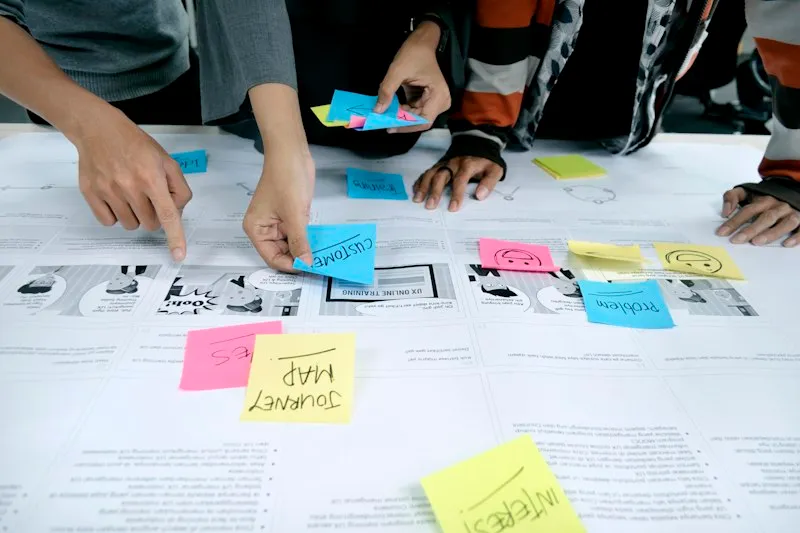
Proactive steps can reduce the likelihood of relationship conflict. Ensuring that new team members fit the team's core values-such as commitment or a fun work environment-can minimize value-based clashes. One suggested practice is to hold a values workshop where the team identifies its shared values, then incorporate a 'values moment' in meetings to recognize members who demonstrate those values.
Establishing clear conflict management norms is another preventive measure. For example, norms might include approaching the person directly to address a disagreement and then involving a leader if needed. Such norms encourage early, respectful resolution and reduce the chance that small tensions escalate into damaging relationship conflict.
SourcesS4
Recognizing and Responding to Different Conflict Types

Effectively managing relationship conflict requires distinguishing it from task and process conflict, since each type benefits from a different approach. Task conflict-disagreements about the work itself-can be productive when resolved through discussion or debate, but can turn dysfunctional if accompanied by strong negative emotions. Process conflicts, about roles and responsibilities, are often easier to resolve by consulting a procedure manual or creating a team charter.
By understanding these differences, teams can avoid misapplying strategies. For instance, using an integrative approach for relationship conflict while encouraging open debate for task conflict can optimize overall team performance. Leaders and members who recognize the signs of each conflict type can intervene early and choose the most effective resolution method.
FAQ
Common questions
Each answer is linked to its research.
What are common strategies teams use to resolve conflicts?
Research has identified several categories of conflict resolution strategies used by teams: Voting, Compromise or Consensus, Discuss or Debate, Open Communication, Idiosyncratic Solutions (such as rules or mediator involvement), Avoided or Ignored, and Rotating Responsibilities. The effectiveness of each depends on the conflict type and context. For relationship conflict, strategies that involve open communication and compromise are generally more beneficial than avoidance or ignoring.
SourcesS2S3All sources
Can task conflict ever be harmful to team performance?
Yes. While moderate task conflict can enhance group performance by encouraging diverse perspectives, it becomes dysfunctional when it triggers strong negative emotions (like anger or defensiveness) or when team members perceive it as unresolvable. This helps explain why the relationship between task conflict and performance is curvilinear: low levels inhibit performance, moderate levels enhance it, and high levels decrease it. Managing the emotional tone of task disagreements is key to keeping them productive.
SourcesS12All sources
How does the conflict resolution approach affect the link between conflict and performance in global virtual teams?
In global virtual teams, the resolution approach moderates how conflict type influences team performance. For task conflict, integrative (collaborative) or distributive (assertive) resolution can yield beneficial outcomes, while avoidance does not. For relationship conflict, an integrative approach is crucial to avoid harmful effects; distributive or avoidance strategies can lead to low cohesion and team efficacy, ultimately reducing performance. Task complexity and interdependence also play a role in these dynamics.
SourcesS5S7All sources
Next read
Keep reading
Nearby guides picked by the editors of this article.
 MomentsIs this team fight about the work or about us?Learn to tell whether a team disagreement is about the task or about personal issues, and how to redirect conflict toward better outcomes.3 min read
 DecisionHow to Stop the Same Fights with Your PartnerChoose among three strategies for breaking repetitive relationship conflicts: pause, collaborate, or restructure interactions.3 min read
 How-toHow to Turn Disagreements Into Productive DiscussionsUse evidence-based steps to turn team disagreements into discussions that improve work.3 min read
- TechniquesHow to Tell If Your Argument Is About the Task or About YouLearn to distinguish task conflict from relationship conflict using three evidence-based practices: check the focus of the disagreement, assess the emotional3 min read
 TechniquesDistinguishing Work Conflicts from Personal ConflictsCompare three evidence-informed approaches to tell whether a conflict is about work tasks or personal issues.3 min read
 TechniquesRelationship Conflict and Why It Drains YouRelationship conflict creates emotional exhaustion and stress. Compare three ways to understand and address its draining effects.2 min read
References
Sources & evidence
4 research papers informed this article. The numbers beside each section link here, and each DOI opens the original paper.
Source 1:The Role of Conflict Resolution in Teams - An Empirical Study
Mukherjee, Sanjukta (2012). The Role of Conflict Resolution in Teams - An Empirical Study. DOI 10.2139/ssrn.2191886
articleSource 2:Optimizing team conflict dynamics for high performance teamwork
O'Neill, Thomas A., McLarnon, Matthew J.W. (2018). Optimizing team conflict dynamics for high performance teamwork. DOI 10.1016/j.hrmr.2017.06.002
Source 3:Conflict and Performance in Global Virtual Teams
Kankanhalli, Atreyi, Tan, Bernard C.Y., Wei, Kwok-Kee (2006). Conflict and Performance in Global Virtual Teams. DOI 10.2753/mis0742-1222230309
Source 4:A Qualitative Analysis of Conflict Types and Dimensions in Organizational Groups
Jehn, Karen A. (1997). A Qualitative Analysis of Conflict Types and Dimensions in Organizational Groups. DOI 10.2307/2393737
article