

The integrating conflict management style is a collaborative, problem-solving approach that involves high concern for both your own interests and the other party's interests. It is characterized by active information exchange, open examination of differences, and joint efforts to reach a solution that satisfies everyone involved. This style is often described as a win-win or positive-sum strategy, and it is considered one of the most effective ways to handle disagreements.
In practice, integrating means directly confronting conflict with a focus on finding creative solutions that address everyone's needs. Rather than avoiding the issue or forcing a decision, you work together to explore alternatives and share decision-making. This approach has been studied in team settings, where it is linked to higher team performance, innovation, and reduced emotional exhaustion from relationship conflicts.
What Does the Integrating Style Look Like in Practice?
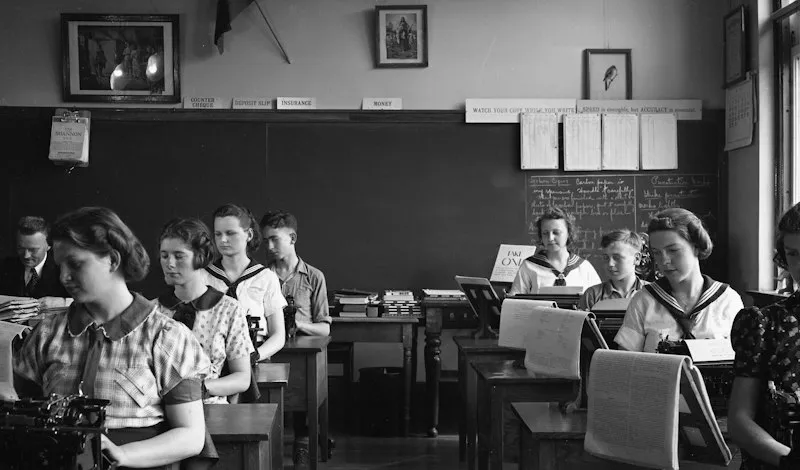
The integrating style involves bringing concerns into the open and working jointly to understand the conflict. Team members try to integrate their ideas and find solutions that satisfy all parties. For example, in a school project team, a member might say, 'Let's each share what matters most to us about this assignment, then brainstorm options that cover everyone's priorities.' This collaborative problem-solving contrasts with a dominating style, where one person forces their view, which is associated with lower team performance.
The approach includes shared decision-making and a focus on the partner or other team members. It is considered the most appropriate strategy for managing conflicts effectively because it allows a mutually efficient solution that addresses both personal and others' needs. By improving self-worth and self-efficacy, the integrating style can reduce tension and frustration during disagreements.
Take it further
Conflict at Work
Have you ever been part of a team that solved a disagreement by working together to find a creative solution?
Reflect in Mneno
How Is the Integrating Style Studied in Teams?

Researchers often examine the integrating conflict management style as a team-level pattern-how members collectively handle disagreements. In one study of 77 teams, a team's use of an integrating (collaborative) conflict management pattern was positively and significantly associated with team innovation. The regression coefficient was beta = 0.278 (p < 0.05), indicating that teams that address conflicts collaboratively tend to be more innovative. This association was further explained by the idea that integrating fosters a prosocial team atmosphere, as manifested in team identity, which in turn promotes innovation.
Other studies have measured integrating style in school teams and found a positive association with team performance (r = .21). The same research showed that a dominating style was negatively associated with performance (r = -.19), highlighting the relative benefit of collaboration. The integrating style is also hypothesized to moderate the relationship between relationship conflict and collective emotional exhaustion-teams that use it are expected to weaken that negative link.
What Outcomes Are Linked to the Integrating Style?
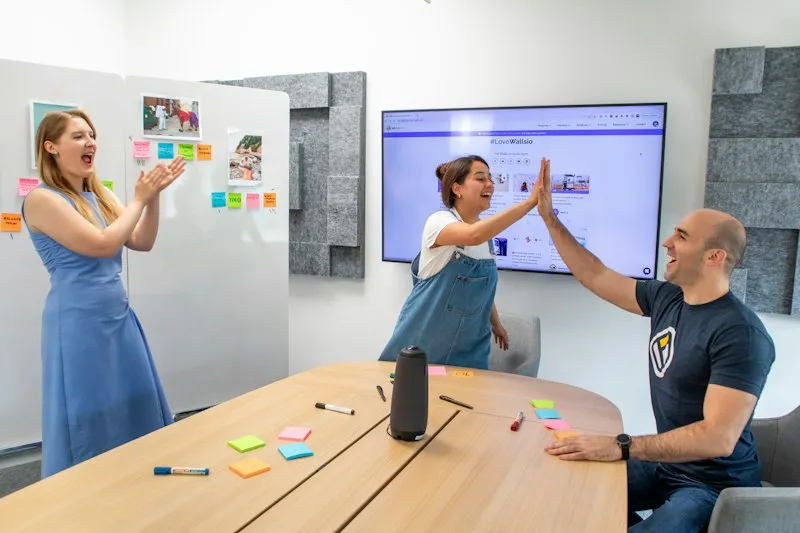
The integrating conflict handling strategy has a positive significant effect on team performance (B = 0.31, p = .03). Teams that use integration tend to perform better, likely because collaboration and open problem-solving lead to more thorough solutions and higher member satisfaction. Managing conflict with an integrating approach-a mutual gains strategy that explores different alternatives to find an acceptable solution for all parties-has a positive significant effect on team outcomes, including task development and member satisfaction.
At the team level, using the integrating style buffers the negative link between relationship conflict and collective emotional exhaustion. Teams that actively collaborate to solve personal disagreements reduce the emotional exhaustion associated with relationship conflict. While conflict itself is not positive for effectiveness, the strategies used to deal with it can result in gains. The integrating style is associated with higher team performance and innovation, though these findings come from specific team settings (e.g., school teams, work teams) and may not generalize to all contexts.
How Does the Integrating Style Relate to Team Identity and Innovation?

The integrating conflict management style has been found to mediate the positive relationship between team identity and team innovation. In other words, teams with a strong sense of shared identity tend to be more innovative partly because they handle conflicts with an integrating approach. This suggests that the collaborative problem-solving inherent in integrating helps translate a cohesive team atmosphere into creative outcomes.
Further, constructive-cooperative conflict management, specifically the integrating approach, fosters innovation in work teams by promoting a prosocial team atmosphere. This atmosphere is manifested in team identity, which then supports innovation. The evidence indicates that the integrating style is not just a way to resolve disagreements but also a mechanism that links team cohesion to tangible results like new ideas and solutions. These findings come from studies of work teams and should be interpreted within those contexts.
FAQ
Common questions
Each answer is linked to its research.
How does the integrating style differ from compromising?
The integrating style involves high concern for both self and others and seeks creative solutions that fully satisfy all parties, often by exploring differences and sharing information openly. In contrast, compromising typically involves each side giving up something to reach a middle ground, which may not fully address everyone's underlying needs. The integrating style is considered a win-win approach, while compromising is often seen as a lose-lose or half-hearted solution. Evidence specifically comparing these two styles is not provided, but the descriptions highlight that integrating aims for a solution that meets all concerns, whereas compromising settles for partial satisfaction.
SourcesS1S3All sources
Can the integrating style be used in personal relationships?
The provided research focuses on the integrating style in team settings, such as work teams and school project teams. However, the core principles-high concern for self and others, active information exchange, and collaborative problem-solving-are general enough to apply to personal relationships. The style is described as focusing on the partner and allowing a mutually efficient solution, which could translate to friendships, family, or romantic partnerships. No specific studies on personal relationships are included, so its effectiveness outside of teams is not directly evidenced here.
SourcesS1S3S8All sources
What are the limitations of the integrating style?
The integrating style requires time, open communication, and a willingness from all parties to collaborate, which may not always be feasible. It demands direct confrontation of conflict, which can be uncomfortable for some people. The provided studies do not examine downsides or situations where integrating might be less effective, such as when parties have fundamentally incompatible goals or when one party is unwilling to cooperate. The evidence comes from team contexts, so limitations in other settings are not explored. Additionally, while associated with positive outcomes, the research does not claim that integrating always leads to better results in every conflict.
SourcesS1S3S4All sources
Next read
Keep reading
Nearby guides picked by the editors of this article.
 MomentsHow do I stop disagreements at work from becoming personal?When a work disagreement starts to feel like a personal attack, see why trust matters and try one separating statement to reset the conversation.3 min read
 DecisionWhy do personality clashes at work derail our team progress?Personality clashes create relationship conflict that reduces collaboration and performance. Choose a strategy based on your capacity to act now.3 min read
 How-toResolving Personality Clashes in Your TeamLearn practical steps to shift your team from personality clashes to productive work, based on evidence-based conflict resolution approaches.4 min read
 TechniquesTraining Yourself to Handle Workplace ConflictsLearn three evidence-backed practices for improving how you handle disagreements with colleagues at work: cooperative communication, constructive controversy2 min read
 TechniquesRepairing a Strained Relationship with a Team MemberCompare practices for repairing a strained relationship with a team member, drawing on evidence about communication and conflict in virtual teams.3 min read
 TechniquesRelationship Conflict and Why It Drains YouRelationship conflict creates emotional exhaustion and stress. Compare three ways to understand and address its draining effects.2 min read
References
Sources & evidence
4 research papers informed this article. The numbers beside each section link here, and each DOI opens the original paper.
Source 1:Managing Conflict in School Teams: The Impact of Task and Goal Interdependence on Conflict Management and Team Effectiveness
Somech, Anit (2008). Managing Conflict in School Teams: The Impact of Task and Goal Interdependence on Conflict Management and Team Effectiveness. DOI 10.1177/0013161x08318957
articleSource 2:Buffering relationship conflict consequences in teams working in real organizations
Benitez, Miriam, Medina, Francisco J., Munduate, Lourdes (2018). Buffering relationship conflict consequences in teams working in real organizations. DOI 10.1108/ijcma-11-2017-0131
Source 3:Innovation and Conflict Management in Work Teams: The Effects of Team Identification and Task and Relationship Conflict
Desivilya, Helena Syna, Somech, Anit, Lidgoster, Helena (2010). Innovation and Conflict Management in Work Teams: The Effects of Team Identification and Task and Relationship Conflict. DOI 10.1111/j.1750-4716.2009.00048.x
Source 4:Intragroup Conflict and Conflict Management Approaches as Determinants of Team Performance and Satisfaction: Two Field Studies
Dimas, Isabel Dórdio, Lourenço, Paulo Renato (2015). Intragroup Conflict and Conflict Management Approaches as Determinants of Team Performance and Satisfaction: Two Field Studies. DOI 10.1111/ncmr.12054
article