

Task conflict and relationship conflict are decoupled by actively managing the emotional reactions that can turn a disagreement about work into a personal clash. Rather than trying to eliminate task conflict, the goal is to prevent it from degenerating into relationship conflict, which harms team performance and cohesion.
Decoupling relies on three categories of emotional regulation variables: individual differences like emotional intelligence, the team's relational ties, and social norms that guide how emotions are handled during disagreements. When these factors are present, teams can keep task conflict constructive and avoid the corrosive effects of relationship conflict.
The Role of Emotional Regulation
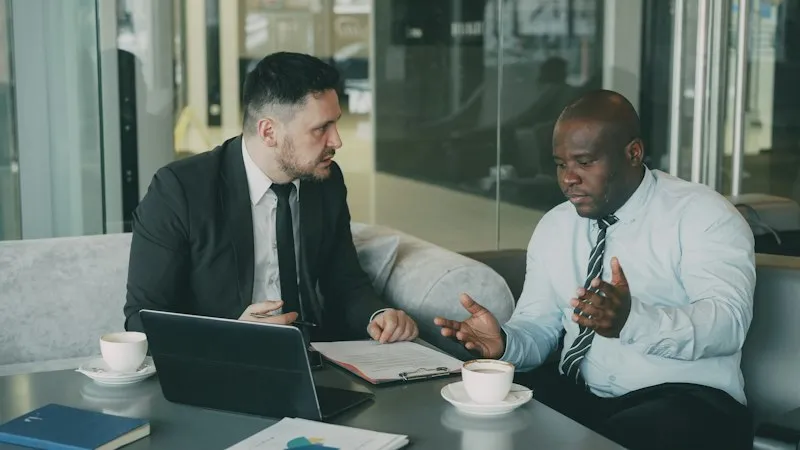
Decoupling task conflict from relationship conflict hinges on how emotions are processed during disagreements. Research points to three key variables that constrain negative emotionality: collective emotional intelligence (the group's ability to recognize and manage emotions), intragroup relational ties (the quality of relationships among members), and conflict-relevant interactional norms (shared expectations about how to handle disagreements). These factors moderate the link between task and relationship conflict, determining whether a debate about procedures or interpretations escalates into personal animosity.
Emotional regulation is critical because task conflict naturally carries emotional charge. Without active management, frustration or perceived criticism can spill over into rude exchanges, cynical comments, or disregard for colleagues-hallmarks of relationship conflict. By fostering emotional intelligence, strengthening relational bonds, and establishing clear norms, teams can maintain the benefits of task conflict (like diverse perspectives and better decisions) while minimizing its risks. The evidence suggests that this approach is more effective than trying to eliminate task conflict entirely, which is nearly impossible when the two types are entangled.
Take it further
Start a Conversation
Have you ever noticed a work disagreement turn personal, and what helped your team get back on track?
Reflect in Mneno
Task Conflict Without Relationship Conflict Yields Better Outcomes

A field study of 127 individuals in a Fortune 500 company found that when only task conflict occurred frequently, team outcomes such as group efficacy and group mind were significantly higher than when both task and relationship conflict were frequent. This finding challenges the assumption that task conflict is inherently detrimental; instead, it suggests that task conflict can be beneficial if it remains separate from relationship conflict. The study highlights the importance of decoupling the two types in analysis and practice, as their co-occurrence can mask the positive effects of task conflict.
These results imply that teams should not aim for zero conflict but should work to prevent task disagreements from turning personal. When task conflict is decoupled, it can stimulate critical thinking and innovation without damaging relationships. However, the study also underscores that relationship conflict has a consistently negative impact on team functioning, so keeping the two separate is essential for reaping the advantages of constructive debate.
Conflict Resolution Approaches for Each Type

The way a team resolves conflict influences whether task conflict stays productive and whether relationship conflict damages performance. In global virtual teams, research shows that task conflict should be resolved integratively (collaborative problem-solving) or distributively (assertive negotiation), because avoidance does not lead to beneficial outcomes. For relationship conflict, an integrative approach is crucial to prevent harmful effects on team performance. The effectiveness of these approaches may also depend on task complexity and interdependence.
High-performing, high-satisfaction teams often focus on the task-related content of interactions rather than interpersonal differences when dealing with relationship conflict. They use discussion and debate to build shared understanding and intentionally ignore negative behaviors while acknowledging useful contributions. In contrast, some teams that prioritize relationship harmony over task analysis-by incorporating all ideas without scrutiny or assigning work based on preferences-tend to see performance decrease even if satisfaction increases. This suggests that the right resolution strategy depends on the type of conflict and the team's goals.
Strategies for Preventing Escalation
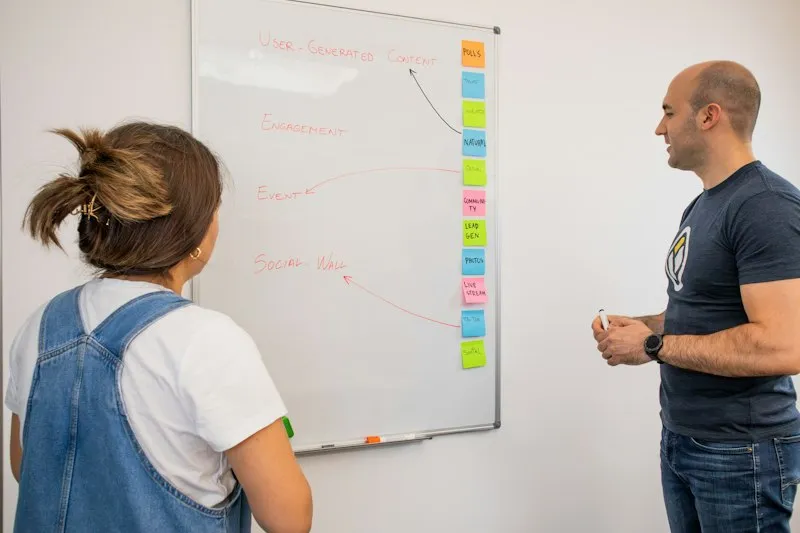
To prevent task conflict from escalating into relationship conflict, teams can adopt specific strategies that address emotional responses and communication patterns. One approach is to maintain nominal levels of task conflict while actively working to eliminate relationship conflict-though this is difficult because the two are often entangled. Instead, teams should focus on how emotions are handled during disagreements, using emotional regulation to keep discussions task-focused.
Practical steps include establishing norms that discourage personal attacks, encouraging team members to express disagreements constructively, and training in emotional intelligence. Teams can also use techniques like "Discuss/Debate" to create group understanding and "Avoided/Ignored" to ensure that negative behavior does not disrupt the group by acknowledging contributions while ignoring the negativity. These strategies help maintain a climate where task conflict is seen as a normal part of collaboration rather than a threat to relationships.
FAQ
Common questions
Each answer is linked to its research.
What is the difference between task conflict and relationship conflict?
Task conflict centers on disagreements about how work should be done, including differences in procedures, resources, or interpretations. Relationship conflict involves personal clashes, rude exchanges, cynical comments, and disregard for colleagues. While all conflict is relational in that it occurs between people, the key difference is whether the disagreement is about the task itself or about interpersonal issues.
SourcesS1All sources
Can task conflict ever be beneficial for teams?
Yes, but only when it is decoupled from relationship conflict. A field study of 127 individuals in a Fortune 500 company found that when only task conflict occurred frequently, team outcomes like group efficacy and group mind were significantly higher than when both task and relationship conflict were frequent. This suggests that task conflict can stimulate critical thinking and innovation without damaging relationships, provided it does not escalate into personal attacks.
SourcesS3All sources
What should teams do if relationship conflict arises?
Teams should resolve relationship conflict using an integrative (collaborative) approach to avoid harmful effects on performance. High-performing teams focus on the task-related content of interactions rather than interpersonal differences, using discussion to build shared understanding and intentionally ignoring negative behaviors while acknowledging useful contributions. Avoidance is not recommended, as it does not lead to beneficial outcomes.
SourcesS6S7All sources
Next read
Keep reading
Nearby guides picked by the editors of this article.
 MomentsIs this team fight about the work or about us?Learn to tell whether a team disagreement is about the task or about personal issues, and how to redirect conflict toward better outcomes.3 min read
- DecisionHow to Argue About Ideas Without Hurting the RelationshipThree strategies for debating ideas while preserving your relationship. Compare low, moderate, and high effort options based on conflict research.3 min read
 How-toWhy do we keep arguing about the wrong things in our team?Understand common patterns that shift team arguments from tasks to personal issues, and learn strategies to refocus conflict on what matters.6 min read
- TechniquesHow to Tell If Your Argument Is About the Task or About YouLearn to distinguish task conflict from relationship conflict using three evidence-based practices: check the focus of the disagreement, assess the emotional3 min read
 TechniquesDistinguishing Work Conflicts from Personal ConflictsCompare three evidence-informed approaches to tell whether a conflict is about work tasks or personal issues.3 min read
 TechniquesHow to Tell When a Team Conflict Has Become PersonalCompare three practices for recognizing when a team disagreement shifts from task-focused to personal conflict.3 min read
References
Sources & evidence
4 research papers informed this article. The numbers beside each section link here, and each DOI opens the original paper.
Source 1:Individual Perceptions of Task Conflict and Relationship Conflict
Solansky, Stephanie T., Singh, Barjinder, Huang, Shengsheng (2014). Individual Perceptions of Task Conflict and Relationship Conflict. DOI 10.1111/ncmr.12027
articleSource 2:Decoupling task and relationship conflict: the role of intragroup emotional processing
Yang, Jixia, Mossholder, Kevin W. (2004). Decoupling task and relationship conflict: the role of intragroup emotional processing. DOI 10.1002/job.258
articleSource 3:Conflict and Performance in Global Virtual Teams
Kankanhalli, Atreyi, Tan, Bernard C.Y., Wei, Kwok-Kee (2006). Conflict and Performance in Global Virtual Teams. DOI 10.2753/mis0742-1222230309
Source 4:The Role of Conflict Resolution in Teams - An Empirical Study
Mukherjee, Sanjukta (2012). The Role of Conflict Resolution in Teams - An Empirical Study. DOI 10.2139/ssrn.2191886
article