
Manage Disagreements About Work Tasks Without Damaging Relationships
Compare practical techniques to keep work task disagreements constructive and avoid relationship harm. Evidence-based approaches for teams.
The question
How do I manage disagreements about work tasks without damaging relationships?

Overview
You can manage disagreements about work tasks in ways that preserve relationships by choosing how you approach the debate. The evidence points to several practical techniques-encouraging open but moderated task conflict, fostering team reflexivity, and using team-focused transformational leadership-that help prevent task disagreements from turning into personal conflict.
No single approach fits every team or situation, and the research does not claim one technique is best for all. The practices described here are grounded in studies of team dynamics; your specific work context, team culture, and existing performance levels will influence what works for you.
Encourage Moderate Task Conflict
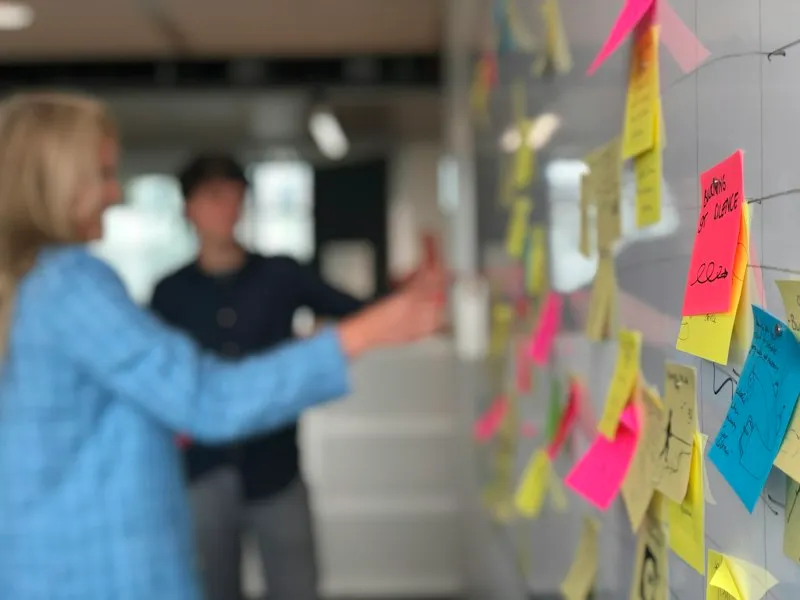
If you lead a team, consider actively inviting members to express differing professional opinions about tasks-especially early in a project. This means creating opportunities for structured debate while keeping the focus on work methods, not personalities. Be ready to step in if discussions become heated or personal.
Research suggests that moderate task conflict can boost information sharing and creativity, but excessive conflict can harm relationships and performance. One study notes that teams with high reflexivity (a habit of reflecting on and adapting their processes) are better able to handle task conflict without taking disagreements personally. The key is to promote constructive debate without letting it escalate.
Foster Team Reflexivity

You can build team reflexivity by scheduling regular time for the group to step back, discuss how work is going, and adjust processes together. This practice helps the team recognize when a task disagreement is becoming personal or unproductive and redirect it toward collective problem-solving.
Evidence shows that team reflexivity can help manage the negative effects of high task conflict. Teams that habitually reflect on their work are less likely to let task disagreements spiral into relationship conflict. This approach requires a commitment from all members to openly discuss team dynamics, which can feel vulnerable at first but may prevent long-term damage.
Adopt Team-Focused Transformational Leadership

Whether you are a formal leader or a team member, you can practice team-focused transformational leadership by emphasizing shared goals, collective effort, and a sense of common purpose during task disagreements. This means framing debates around what benefits the team, not individual positions, and modeling openness to others' ideas.
Research indicates that this leadership style reduces the likelihood that task conflict escalates into relationship conflict by fostering a shared identity and collaborative norms. One study found that high team-focused transformational leadership can even replace the need for task conflict in facilitating creativity, suggesting that focusing on collective goals may be a safer route for teams prone to personal tension.
Take it further
Consider Your Team's Dynamics
When you think about recent task disagreements in your team, what pattern or signal might tell you that a different approach-such as inviting more debate or focusing on shared goals-could be helpful?
Talk it out
Opening a Dialogue
What has been your experience with handling task disagreements at work without it turning personal?
References
Sources & evidence
4 research papers informed this article. The numbers beside each section link here, and each DOI opens the original paper.
Source 1:On the relationship between intragroup conflict and social capital in teams: A longitudinal investigation in Taiwan
Chang, Man‐Ling (2016). On the relationship between intragroup conflict and social capital in teams: A longitudinal investigation in Taiwan. DOI 10.1002/job.2107
DOI 10.1002/job.2107articleSource 2:The effect of individual task conflict on employee creativity: A moderated mediation model
Li, Ci-Rong, Li, Chun-Xuan, Lin, Chen-Ju (2019). The effect of individual task conflict on employee creativity: A moderated mediation model. DOI 10.1016/j.tsc.2018.11.006
Source 3:The dual effects of task conflict on team creativity
Lee, Eun Kyung, Avgar, Ariel C., Park, Won-Woo, Choi, Daejeong (2018). The dual effects of task conflict on team creativity. DOI 10.1108/ijcma-02-2018-0025
Source 4:When Task Conflict Becomes Personal
Guenter, Hannes, van Emmerik, Hetty, Schreurs, Bert, Kuypers, Tom, et., al. (2016). When Task Conflict Becomes Personal. DOI 10.1177/1046496416667816
DOI 10.1177/1046496416667816article
Next read
Keep reading
 MomentsHow do I stop disagreements at work from becoming personal?When a work disagreement starts to feel like a personal attack, see why trust matters and try one separating statement to reset the conversation.3 min read
 DecisionHow to Tell If a Team Debate Is About a Task or a Personal IssueThree strategies to judge whether a team debate is about the task or a personal issue, compared by immediate effort and trade-offs.1 min read
 ExplainerDecoupling Task and Relationship ConflictLearn how teams can separate task disagreements from personal friction, the role of emotional regulation, and the impact on performance.6 min read
 How-toWhy Does My Team Argue About Priorities Instead of Solving the Real Problem?Understand why team arguments about priorities may signal low trust, turning helpful task debate into personal conflict. Learn how to address the real issue.4 min read
- DecisionHow to Argue About Ideas Without Hurting the RelationshipThree strategies for debating ideas while preserving your relationship. Compare low, moderate, and high effort options based on conflict research.3 min read
 ExplainerWhat Is Relationship Conflict?Relationship conflict is interpersonal incompatibility causing friction and reduced team performance.5 min read