

Intragroup conflict, the disagreements that arise among members of a group, is generally classified into two main types: task conflict and relationship conflict. Task conflict involves disagreements about the content and goals of the work itself, such as differing opinions on how to complete a project. Relationship conflict, on the other hand, centers on interpersonal issues, including personality clashes and personal animosities. This distinction, supported by factor analysis accounting for 79% of variance, helps researchers and teams understand the different sources and consequences of conflict.
While both types can occur simultaneously, they have distinct effects on group performance and member satisfaction. Task conflict can sometimes improve group outcomes by encouraging diverse perspectives, but it may also reduce satisfaction if it becomes excessive or prolonged. Relationship conflict is generally seen as more detrimental, often lowering team cohesion and performance. Importantly, the two types can influence each other: task disagreements, if mishandled, can spill over into personal conflict, especially when group trust is low.
How Task Conflict and Relationship Conflict Differ

The core difference between task conflict and relationship conflict lies in their focus. Task conflict centers on the substance of the group's work-such as how to allocate resources, which strategy to pursue, or the interpretation of data. This type of disagreement can be constructive, as it may lead to better decisions and more innovative solutions. In contrast, relationship conflict is personal and emotional, involving friction over values, personalities, or communication styles. It often manifests as tension, annoyance, or hostility among members.
Research shows that the two types are negatively correlated (r = -.17), meaning groups experiencing high levels of one type tend to have lower levels of the other, though they can still co-occur. This distinction is crucial because the remedies differ: addressing task conflict may involve clearer goals or better data, while relationship conflict often requires interventions like trust-building or conflict resolution training. Teams that recognize the type they are facing can apply more targeted strategies to manage it.
Take it further
Conversation Starter
Have you ever been in a team where a disagreement about work started to feel personal? What helped or could have helped keep it constructive?
Reflect in Mneno
The Role of Trust in Shaping Conflict Outcomes
Trust among group members plays a pivotal role in determining whether task conflict turns into relationship conflict. When trust is high, members are more likely to accept disagreements about tasks at face value, viewing them as constructive debates rather than personal attacks. This reduces the likelihood that a task-related disagreement will be misattributed as a hidden agenda or personal criticism. Conversely, when trust is low, even minor task disagreements can quickly escalate into relationship conflict, as members interpret differing opinions as evidence of bad intent.
Research demonstrates that intragroup trust negatively moderates the association between task and relationship conflict. In low-trust groups, the positive link between task conflict and relationship conflict is much stronger; in high-trust groups, that link is weaker. This means that building trust is a practical way to prevent task disagreements from damaging interpersonal relationships. Trust also moderates the reverse path: when relationship conflict exists, high trust reduces the chance that it will spill over into new task disagreements, because members are less likely to reject a disliked colleague's ideas simply due to negative feelings.
When Task Conflict Can Be Helpful or Harmful
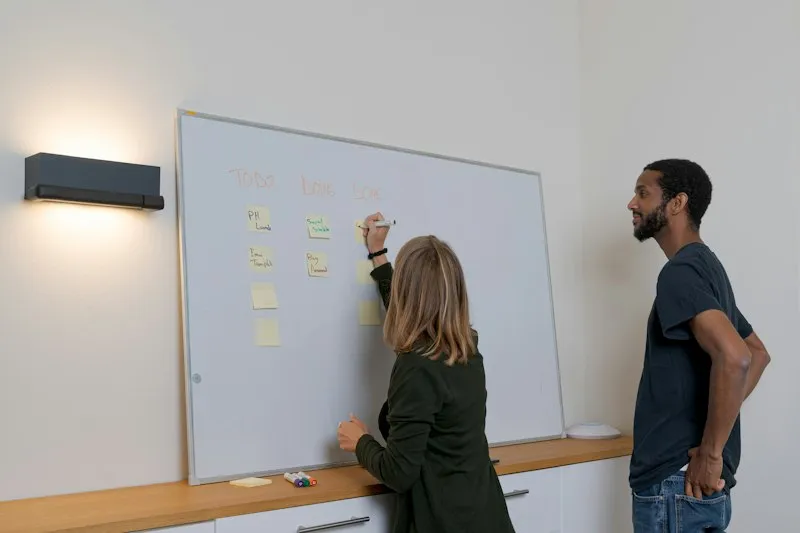
Task conflict is not inherently good or bad; its effects depend on the context, intensity, and duration. In fast-paced decision-making teams, moderate task conflict that is resolved quickly can improve performance by prompting thorough discussion and preventing groupthink. However, the same level of conflict can be detrimental if decisions are slow to materialize, leading to frustration and delays. Prolonged task conflict, even if initially constructive, may reduce member satisfaction and commitment to the team.
Extremely high levels of task conflict can overwhelm the group, making it difficult to reach consensus and eroding members' sense of belonging. One study found that task conflict coupled with high opportunity for voice-such as when one member's persistent dissent substantially delays decisions-can lead to frustration. This suggests that the benefits of task conflict are not automatic; they require effective facilitation and a team culture that values diverse input without letting debates drag on.
Managing the Spillover Between Conflict Types
One of the key challenges teams face is preventing task conflict from spilling over into relationship conflict. The interpretation process is central: when members attribute task disagreements to personal motives, relationship conflict emerges. Strategies to reduce misattribution include promoting open communication, encouraging members to explain the reasoning behind their views, and reinforcing the norm that disagreement is about ideas, not people. Building intragroup trust is the most effective buffer, as it reduces the tendency to personalize disagreements.
Group familiarity also influences spillover dynamics. Familiar members tend to form favorable first impressions and trust each other more, making it easier to disagree without damaging relationships. In contrast, in groups with low familiarity or clearly defined life spans (like temporary project teams), task conflict is more likely to be misinterpreted. Managers can facilitate this by structuring early team interactions to build trust and clarify that differing opinions are welcome and expected.
FAQ
Common questions
Each answer is linked to its research.
Can task conflict ever be beneficial for team performance?
Yes, task conflict can improve group performance under certain conditions. Studies show that task conflict can lead to better outcomes in fast decision-making teams, as it encourages diverse perspectives and thorough discussion. However, its benefits depend on factors like conflict duration, intensity, and the team's task type. For example, moderate levels of task conflict that are resolved quickly can enhance performance, whereas prolonged or extremely high levels may reduce member satisfaction and commitment. The contingency model of intragroup conflict also highlights that the group's task interdependence and norms about conflict influence whether task conflict is helpful or harmful.
SourcesS5S8All sources
How does group familiarity influence the relationship between task and relationship conflict?
Group familiarity affects how task and relationship conflict are linked. Familiar members are more likely to form positive first impressions, trust each other, and feel comfortable disagreeing, which reduces the chance that task disagreements will be misattributed as personal attacks. In ad-hoc project teams with clear life spans, relationship conflict can causally precede task conflict. In persistent groups without deadlines, the two types may escalate and stimulate each other, especially in low-performing teams. Familiarity thus acts as a contextual factor that shapes the dynamics of conflict within the group.
SourcesS7All sources
What strategies can teams use to prevent task conflict from turning into relationship conflict?
Key strategies include building intragroup trust, promoting open communication, and establishing norms that separate ideas from individuals. When trust is high, members are less likely to interpret task disagreements as personal attacks, reducing misattribution. Encouraging members to explain their reasoning and framing debates as constructive also helps. Group leaders can facilitate early team-building activities to foster familiarity and trust, and they should model respectful disagreement. Addressing conflicts promptly before they fester is another important step. These approaches help teams maintain a focus on the task while preserving interpersonal relationships.
SourcesS3S6S11All sources
Next read
Keep reading
Nearby guides picked by the editors of this article.
 MomentsWhy do some team fights feel personal and others about the work?Understand why a task disagreement can feel like a personal attack and learn a quick technique to keep team conflict focused on the work.3 min read
 DecisionWhy Is There So Much Tension and Arguing Within Our Team?Explore three strategies to address team tension and arguing, from low to high effort, with clear trade-offs based on your current capacity.3 min read
 How-toWhy Disagreements with Teammates Turn PersonalTask disagreements can feel personal when they trigger relationship conflict. Learn what causes this shift and how to keep discussions focused on the work.4 min read
 TechniquesConflict Hurts Team Work: Practices That HelpCompare practices to reduce harmful conflict. Learn how trust, how you disagree, and understanding your conflict types can protect your team's performance.3 min read
 TechniquesTechniques to Prevent Task Conflicts from Turning PersonalCompare ways to keep task disagreements from becoming personal: building trust, improving communication, and clarifying intentions.3 min read
 TechniquesHow to Tell When a Team Conflict Has Become PersonalCompare three practices for recognizing when a team disagreement shifts from task-focused to personal conflict.3 min read
References
Sources & evidence
4 research papers informed this article. The numbers beside each section link here, and each DOI opens the original paper.
Source 1:Intragroup Conflict and Conflict Management Approaches as Determinants of Team Performance and Satisfaction: Two Field Studies
Dimas, Isabel Dórdio, Lourenço, Paulo Renato (2015). Intragroup Conflict and Conflict Management Approaches as Determinants of Team Performance and Satisfaction: Two Field Studies. DOI 10.1111/ncmr.12054
articleSource 2:A Multimethod Examination of the Benefits and Detriments of Intragroup Conflict
Jehn, Karen A. (1995). A Multimethod Examination of the Benefits and Detriments of Intragroup Conflict. DOI 10.2307/2393638
articleSource 3:Competing hypotheses analyses of the associations between group task conflict and group relationship conflict
Choi, Kyoosang, Cho, Bongsoon (2010). Competing hypotheses analyses of the associations between group task conflict and group relationship conflict. DOI 10.1002/job.733
articleSource 4:Task conflict and relationship conflict in top management teams: The pivotal role of intragroup trust.
Simons, Tony L., Peterson, Randall S. (2000). Task conflict and relationship conflict in top management teams: The pivotal role of intragroup trust.. DOI 10.1037/0021-9010.85.1.102