
Why Disagreements with Teammates Turn Personal
Task disagreements can feel personal when they trigger relationship conflict. Learn what causes this shift and how to keep discussions focused on the work.
Why do disagreements with my teammates turn personal so fast?
- Task Conflict
- Relationship Conflict
- Team Communication
- Intragroup Trust

Overview
Disagreements with teammates can escalate into personal tension when task-related arguments are perceived as attacks on your competence or character. Research distinguishes task conflict-disagreement about work-from relationship conflict, which involves personal friction, annoyance, and tension unrelated to the task. When you feel a discussion becoming personal, it may be because the disagreement itself, especially if it contains emotionally harsh language, is being interpreted as a personal rejection or a challenge to your ability.
Understanding this dynamic is the first step toward keeping disagreements productive. The shift from task to relationship conflict often depends on how the disagreement is handled and the level of trust within the team. While no single action guarantees a conflict stays task-focused, the following steps draw on evidence about what can prevent task disagreements from turning personal.
1. Express Your Position Openly
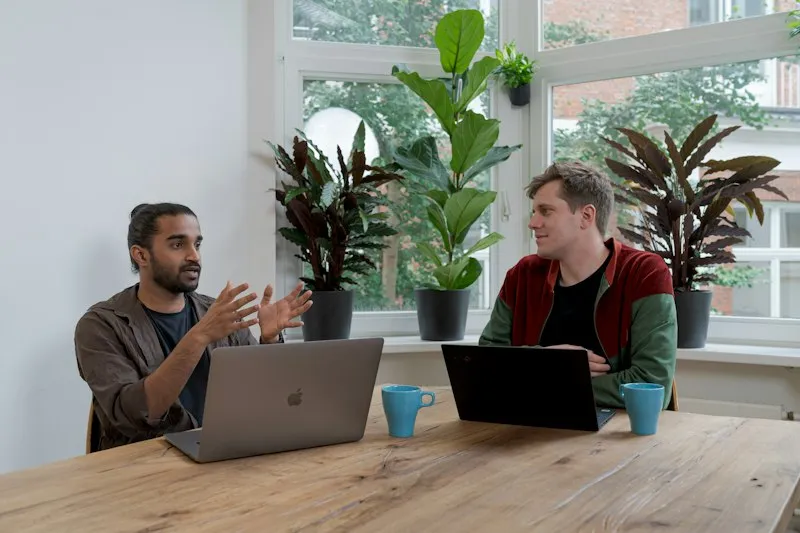
When you disagree with a teammate, state your differing view directly and clearly. Research suggests that openly expressing differing positions during task conflict can prevent those differences from festering into relationship conflict. In a study of top management teams, allowing members to state their views openly was associated with lower levels of relationship conflict, even when voices were raised. The key is to focus on the substance of the disagreement rather than suppressing it.
This approach is most effective when paired with a respectful tone. The same research found that control tactics-positional arguments that try to dominate-did not show the same benefit. Simply having your say is not enough; how you express it matters. Expressing your position openly means sharing your perspective without attacking the other person's viewpoint or character.
2. Focus the Conversation on the Task, Not the Person
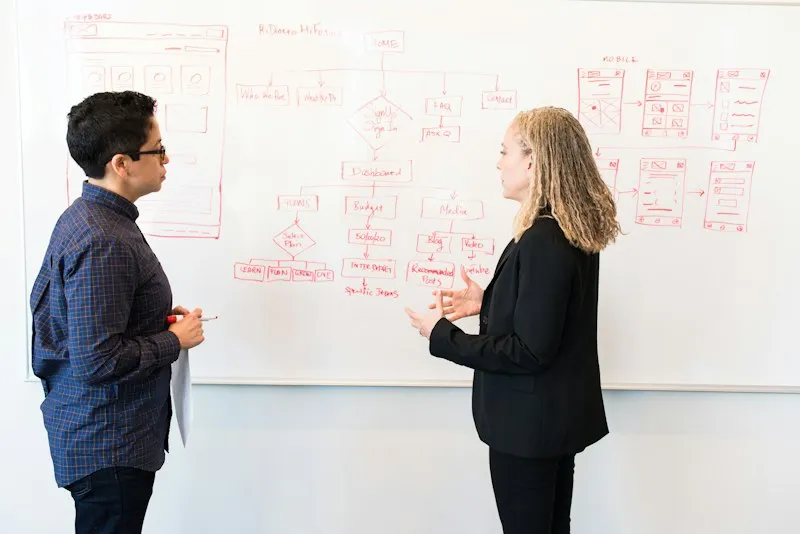
To prevent a task disagreement from becoming personal, consciously steer the discussion back to the work itself. Remind yourself and others that the disagreement is about the solution, not about anyone's worth or ability. Research shows that when team members can separate personal feelings from the issue, they are less likely to interpret disagreement as a personal attack. In a study of group decision making, this separation was crucial for avoiding biased processing and decision rigidity.
Signs that a discussion is becoming personal include feeling that your competence is being questioned or that the disagreement feels like a rejection. If you notice this happening, try to reframe the conversation by asking a question about the task, such as “What information supports that approach?” rather than defending your idea as a reflection of yourself. Maintaining a respectful climate where information is shared openly can help keep the conflict focused on the work.
Where the evidence stops
Limits of These Approaches
These steps are based on studies of team dynamics in controlled and organizational settings. They may not apply to all situations, especially if underlying personal tensions already exist. Relationship conflict can also predict increased task conflict over time, meaning that if personal friction is already present, it may be harder to keep new disagreements purely task-focused. In such cases, addressing the relationship issues directly may be necessary before these strategies can work effectively.
Common questions
How can I tell if a disagreement is task conflict or relationship conflict?
Task conflict involves disagreements about the work itself, such as different opinions on a solution or approach. Relationship conflict involves personal friction, annoyance, or tension that is unrelated to the task. If a discussion feels like a personal attack on your character or competence, it may have crossed into relationship conflict. However, a single sign is not definitive; overlapping feelings can occur.
Can relationship conflict ever be productive?
The research reviewed here does not support the idea that relationship conflict is productive. It is associated with increased team tension, reduced enthusiasm, and decision rigidity. Task conflict, when managed well, can improve decision making, but relationship conflict is generally seen as harmful to team functioning.
Take it further
Consider Your Recent Disagreement
Thinking back to a recent disagreement that felt personal, what part of the conversation might have shifted the focus from the work to your character or intentions?
Talk it out
Opening a Dialogue
How do you usually handle it when a task discussion starts to feel personal?
Keep reading
 MomentsWhy do some team fights feel personal and others about the work?Understand why a task disagreement can feel like a personal attack and learn a quick technique to keep team conflict focused on the work.3 min read
 DecisionHow to Tell If a Team Debate Is About a Task or a Personal IssueThree strategies to judge whether a team debate is about the task or a personal issue, compared by immediate effort and trade-offs.1 min read
 ExplainerAssessing Intragroup ConflictIntragroup conflict is assessed by distinguishing task vs. relationship conflict, considering trust, origins, and evolution over time.6 min read
 TechniquesConflict Hurts Team Work: Practices That HelpCompare practices to reduce harmful conflict. Learn how trust, how you disagree, and understanding your conflict types can protect your team's performance.3 min read
 TechniquesTechniques to Prevent Task Conflicts from Turning PersonalCompare ways to keep task disagreements from becoming personal: building trust, improving communication, and clarifying intentions.3 min read
 TechniquesHow to Tell When a Team Conflict Has Become PersonalCompare three practices for recognizing when a team disagreement shifts from task-focused to personal conflict.3 min read
References
Sources & evidence
4 research papers informed this article. The numbers beside each section link here, and each DOI opens the original paper.
Source 1:The influence of intra‐team conflict on work teams' affective climate: A longitudinal study
Gamero, Nuria, González‐Romá, Vicente, Peiró, José M. (2008). The influence of intra‐team conflict on work teams' affective climate: A longitudinal study. DOI 10.1348/096317907x180441
articleSource 2:Task conflict and relationship conflict in top management teams: The pivotal role of intragroup trust.
Simons, Tony L., Peterson, Randall S. (2000). Task conflict and relationship conflict in top management teams: The pivotal role of intragroup trust.. DOI 10.1037/0021-9010.85.1.102
Source 3:Competing hypotheses analyses of the associations between group task conflict and group relationship conflict
Choi, Kyoosang, Cho, Bongsoon (2010). Competing hypotheses analyses of the associations between group task conflict and group relationship conflict. DOI 10.1002/job.733
articleSource 4:Task conflict, information processing, and decision-making: The damaging effect of relationship conflict
de Wit, Frank R.C., Jehn, Karen A., Scheepers, Daan (2013). Task conflict, information processing, and decision-making: The damaging effect of relationship conflict. DOI 10.1016/j.obhdp.2013.07.002
A place to begin
Make room for your next step.
You do not need to have it all figured out. Bring one real moment to Mneno, notice what matters, and choose one step to try.
Name the moment
Describe what happened in your own words.
Notice what matters
Explore the needs and reactions beneath it.
Choose one step
Find a small action you can try next.
Start at your own pace