
How to Recognize Constructive Task Conflict at Work
Learn to distinguish constructive task conflict from harmful disagreements by focusing on topic, resolution style, and team trust.
How can I recognize when a disagreement at work is actually a constructive task conflict?
- Task Conflict
- Team Performance
- Conflict Resolution
- Virtual Teams

Overview
To recognize when a disagreement at work is constructive task conflict, pay attention to what the disagreement is about and how the team handles it. Task conflict involves debates about tasks and ideas, and research in global virtual teams shows it can improve team performance when resolved with collaboration or assertion, rather than avoidance.
This guidance comes from studies of virtual and videoconference teams, so indicators may differ in other settings. The benefit of task conflict also depends on the team's cultural context and the stage of teamwork, with early-stage task conflict possibly harming performance in virtual settings.
1. Check whether the disagreement is about the work itself
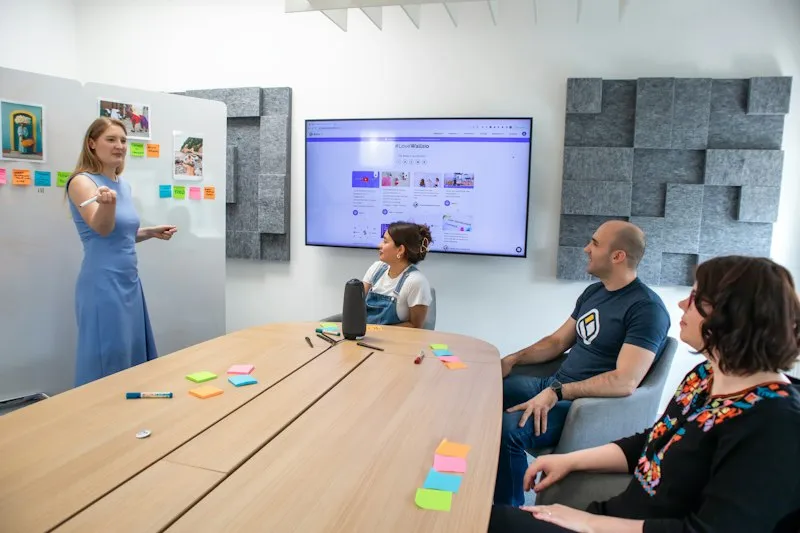
Look at the topic of the disagreement. Constructive task conflict centers on tasks, ideas, or the work itself-not on procedures, resources, or personal issues. In virtual teams, task conflict positively influences performance, while process conflict (disagreements about responsibilities and coordination) tends to be damaging. If the debate is about project content, approaches, or solutions, it is more likely constructive task conflict.
This distinction is supported by research on global virtual teams and massively multiplayer online game teams. However, early in teamwork, even task-focused disagreements can reduce performance in videoconference settings, so timing matters.
2. Observe how the team resolves the disagreement

Notice the conflict resolution approach. Constructive task conflict is typically resolved integratively (through collaboration and open discussion) or distributively (through assertion), not by avoidance. In a study of global virtual teams, the highest-performing team had high task conflict and used an integrative approach: members openly expressed disagreement and sought consensus. If the team explores alternatives and maintains persuasive dialogue while keeping trust, the conflict is likely constructive.
The same research shows that using avoidance with task conflict does not yield beneficial outcomes. However, the resolution approach alone is not a definitive test; context and trust levels also influence outcomes.
3. Assess the level of trust and relationship conflict
In high-trust virtual teams, disagreements about project topics can be resolved through dialogue and consensus without damaging confidence. If relationship conflict (personal tension) is low and trust is high, the same discussion is more likely to be constructive task conflict. In one studied team, low relationship conflict (1.5 on a scale) paired with high task conflict (5.4) and an integrative approach led to the best performance.
This pattern comes from a study of three global virtual teams. Low relationship conflict does not guarantee a disagreement is task-focused, and other factors like culture and task complexity also affect whether task conflict improves performance.
Where the evidence stops
Limits
These indicators are based on research in virtual and videoconference teams, and may not apply directly to face-to-face or hybrid settings. The benefits of task conflict depend on cultural context, task complexity, and the team's stage of development. No single sign definitively classifies a disagreement; use the combination of topic, resolution approach, and team climate as fallible guides.
Take it further
Observing Your Team
When you think of a recent disagreement at work, what was the main topic and how did your team handle it?
Talk it out
Discussing Disagreements
How does your team usually handle disagreements about how to do the work?
Keep reading
 MomentsIs this team fight about the work or about us?Learn to tell whether a team disagreement is about the task or about personal issues, and how to redirect conflict toward better outcomes.3 min read
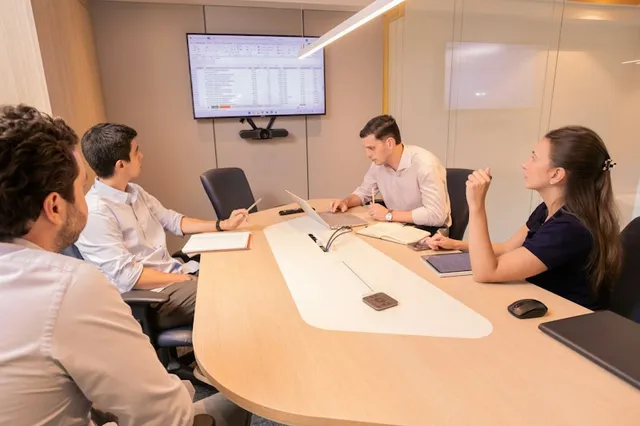 DecisionWhy Disagreements About Work Methods Slow Us DownTask conflict can stall teams, but how you resolve it matters. Compare three evidence-based approaches to decide what fits your situation.3 min read
 ExplainerTask Conflict RecognitionTask conflict recognition means identifying disagreements among team members about the content of tasks, including differing views, ideas, and opinions on how5 min read
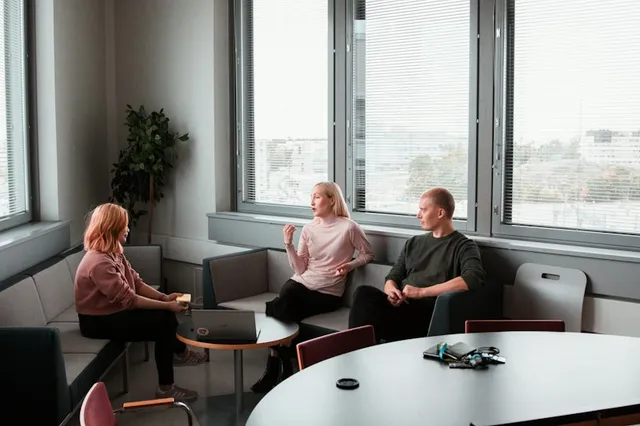 TechniquesArguing About Work Without Hurting Team SpiritCompare practices for work-related arguments that protect team spirit: focus on content, discuss reasons, use virtual communication.3 min read
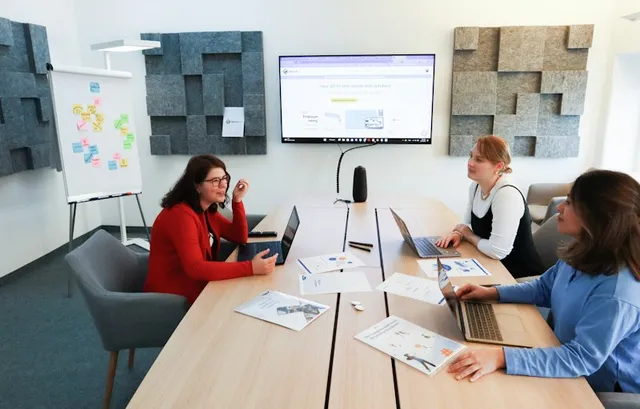 ExplainerTask Conflict AssessmentTask conflict assessment examines the nature, emotional weight, and resolution potential of disagreements about work content, tasks, and ideas.5 min read
 ExplainerRecognizing Relationship Conflict in TeamsLearn to recognize relationship conflict by its markers: negative emotion, perceived low resolution potential, and its harmful effect on team performance.5 min read
References
Sources & evidence
4 research papers informed this article. The numbers beside each section link here, and each DOI opens the original paper.
Source 1:Conflict and Performance in Global Virtual Teams
Kankanhalli, Atreyi, Tan, Bernard C.Y., Wei, Kwok-Kee (2006). Conflict and Performance in Global Virtual Teams. DOI 10.2753/mis0742-1222230309
Source 2:Relationship, task and process conflicts on team performance
Martínez-Moreno, Edurne, González-Navarro, Pilar, Zornoza, Ana, Ripoll, Pilar (2009). Relationship, task and process conflicts on team performance. DOI 10.1108/10444060910974876
Source 3:Conflict, Culture, and Performance in Virtual Teams: Results from a Cross-Cultural Study
Gallenkamp, Julia V., Assmann, Jakob J., Drescher, Marcus A., Picot, Arnold, et., al. (2010). Conflict, Culture, and Performance in Virtual Teams: Results from a Cross-Cultural Study. DOI 10.1109/hicss.2010.117
articleSource 4:Communication and Trust in Global Virtual Teams
Sirkka L. Järvenpää, Dorothy E. Leidner (1999). Communication and Trust in Global Virtual Teams. DOI 10.1287/orsc.10.6.791
article
A place to begin
Make room for your next step.
You do not need to have it all figured out. Bring one real moment to Mneno, notice what matters, and choose one step to try.
Name the moment
Describe what happened in your own words.
Notice what matters
Explore the needs and reactions beneath it.
Choose one step
Find a small action you can try next.
Start at your own pace