

Relationship conflict arises from interpersonal disagreements, personality clashes, or inappropriate behavior, and can harm team performance and learning. You can manage it by addressing its root causes, improving communication, and fostering a cooperative team environment.
Proactive strategies include early task analysis, clear communication plans, and regular meetings to build trust. In virtual teams, using communication tools that enhance transparency can help prevent misunderstandings, but note that virtual settings may amplify the negative effects of conflict due to limited non-verbal cues.
What Are the Main Causes of Relationship Conflict?
Research on cross-functional project teams has identified four key antecedents of relationship conflict: intrapersonal diversity (differences in personal values or personality), uncertain project tasks, organizational culture diversity, and inappropriate team member behavior. A study using structural equation modeling found that uncertain project tasks (β=0.39) and inappropriate behavior (β=0.37) were the strongest predictors, followed by intrapersonal diversity (β=0.29) and organizational culture diversity (β=0.23). These factors can help managers pinpoint where conflict is likely to emerge.
Poor communication is also a known contributor to relationship conflict. When team members do not communicate effectively, misunderstandings and personal tensions can escalate. Conversely, good communication promotes cooperative conflict resolution and positive project outcomes. Understanding these causes allows teams to intervene early, such as by clarifying tasks or setting behavioral norms.
Take it further
Start a Conversation
Have you noticed any situations where unclear tasks or poor communication led to personal disagreements in your team?
Reflect in Mneno
How Does Communication Media Affect Conflict Management?

The choice of communication media influences how conflict unfolds and how it impacts team performance. One study compared face-to-face (FTF), videoconference (VC), and computer-mediated communication (CMC) teams over time. At the beginning of teamwork, CMC teams were more similar to FTF teams in their conflict dynamics than VC teams were. Interestingly, VC teams performed highest both initially and later, suggesting that richer media may help manage certain conflicts.
However, higher team virtuality can increase the negative impact of relationship conflict on perceived performance. Virtual communication tools have limited capacity to convey non-verbal cues, making trust-building and conflict resolution more challenging. For teams working remotely, it is important to use strategies that enhance transparency-such as sharing work progress openly-to prevent conflicts from escalating.
What Strategies Help Prevent Relationship Conflict?
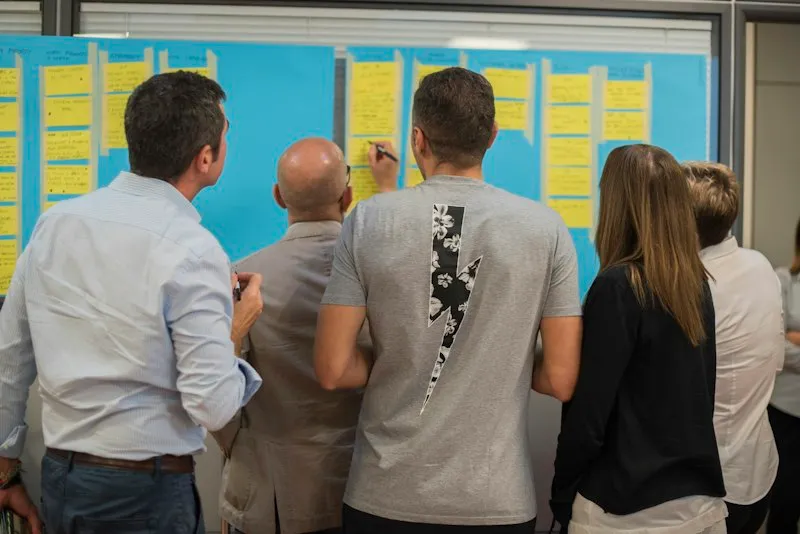
A comprehensive team management strategy includes five steps: (1) reduce uncertainty through early project task analysis involving all members, (2) deconstruct objectives for explicit risk allocation, (3) address cultural diversity by establishing mandatory regulations to reduce work duplication and disagreements, (4) hold regular meetings to promote communication and trust, and (5) create a clear communication plan for effective requirement communication. These steps aim to prevent disagreements from becoming personal.
Additionally, training team members in conflict management at the start of a project, especially in CMC teams, can prevent relationship and process conflicts from harming performance later. Encouraging a 'we are in this together' attitude and providing methods to discuss different strategies can stop task disagreements from escalating into harmful relationship conflict. For virtual teams, using media that enhance transparency of work processes is especially helpful for managing task and process conflicts.
How Can You Manage Conflict in Virtual Teams?
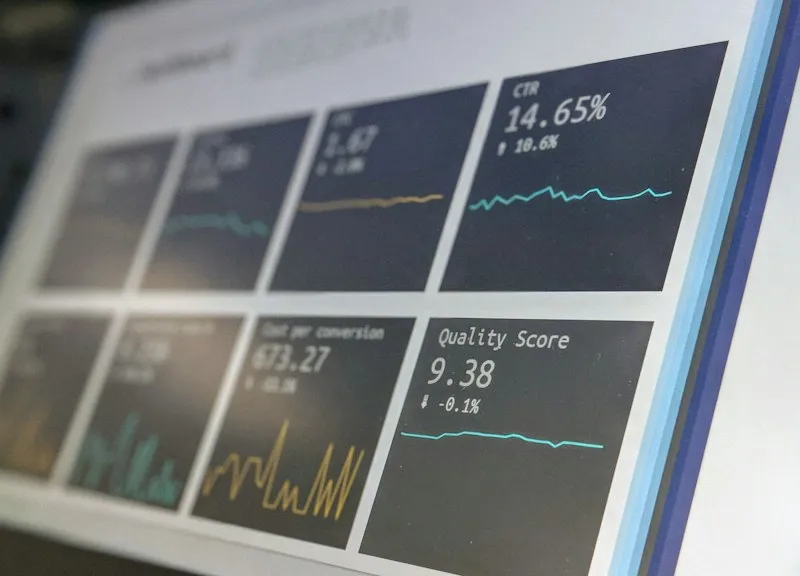
In virtual teams, relationship conflict can be more damaging because communication tools lack non-verbal cues that help build trust. Managers should be aware that higher virtuality increases the negative impact of relationship conflict on perceived team performance. To counter this, virtual teams can use communication media that provide transparency-such as shared dashboards or task-tracking systems-so that progress is visible to all members, reducing misunderstandings.
For videoconference (VC) teams specifically, process conflict (disagreements about resources and responsibilities) may decrease performance early on. Managers should help members address these conflicts promptly by ensuring tasks and responsibilities are clear and easily monitored. Early training on conflict management, tailored to the virtual context, can also help teams navigate disagreements before they escalate. These proactive steps can mitigate the disadvantages of limited non-verbal communication.
FAQ
Common questions
Each answer is linked to its research.
How does relationship conflict hinder team learning?
Unresolved relationship conflict impedes communication and the development of Transactive Memory Systems (TMS)-the shared knowledge of who knows what in a team. When team members are in conflict, they are less likely to share specialized knowledge or coordinate effectively, which hinders learning from experiences and applying new concepts. For teams engaging in experiential learning (e.g., simulations), managing both task and relationship conflict is essential to benefit from the learning process.
SourcesS12All sources
What is the impact of task conflict on team dynamics?
Task conflict involves disagreements about tasks and procedures. While it can sometimes be constructive, it can also threaten individual members' interests and well-being, leading to tension and stress. This negatively affects the formation of Transactive Memory Systems (TMS) because it hinders the sharing and coordination of specialized knowledge. Managing task conflict effectively-by keeping disagreements focused on the work, not on people-can prevent it from turning into harmful relationship conflict.
SourcesS10S2All sources
How can managers address process conflict early?
Process conflict-disagreements about resources, responsibilities, and logistics-can be especially damaging at the start of teamwork. For example, in videoconference (VC) teams, early process conflict can decrease performance by absorbing team efforts in confusion. Managers should ensure that tasks and processes are clear to all members, make responsibilities explicit and easily monitored, and keep the progress of work transparent. Virtual communication media can enhance this transparency, allowing timely adjustments and preventing conflict from escalating.
SourcesS9S11All sources
Next read
Keep reading
Nearby guides picked by the editors of this article.
- MomentsHow do I recognize when a conflict is really about personal issues?Learn to spot when a work disagreement becomes personal. Understand the signs of relationship conflict and how to address it.2 min read
 DecisionHow to Tell If a Team Debate Is About a Task or a Personal IssueThree strategies to judge whether a team debate is about the task or a personal issue, compared by immediate effort and trade-offs.1 min read
 How-toAddressing Difficult Conversations at Work or in RelationshipsLearn how to feel less stuck by addressing disagreements early, focusing on content not style, and using open communication.4 min read
 TechniquesConflict Hurts Team Work: Practices That HelpCompare practices to reduce harmful conflict. Learn how trust, how you disagree, and understanding your conflict types can protect your team's performance.3 min read
 TechniquesWhy Arguing About Work Damages Our RelationshipWork disagreements can strain personal bonds when trust is low. Learn how trust buffers conflict and what practices help protect relationships.3 min read
 TechniquesRelationship Conflict and Why It Drains YouRelationship conflict creates emotional exhaustion and stress. Compare three ways to understand and address its draining effects.2 min read
References
Sources & evidence
4 research papers informed this article. The numbers beside each section link here, and each DOI opens the original paper.
Source 1:Relationship, task and process conflicts on team performance
Martínez-Moreno, Edurne, González-Navarro, Pilar, Zornoza, Ana, Ripoll, Pilar (2009). Relationship, task and process conflicts on team performance. DOI 10.1108/10444060910974876
Source 2:Relationship conflict, task conflict and teams’ transactive memory systems
Riley, Jason M., Ellegood, William A. (2019). Relationship conflict, task conflict and teams’ transactive memory systems. DOI 10.1108/ijem-01-2019-0003
Source 3:Virtual communicating, conflicts and performance in teams
de Jong, Remco, Schalk, René, Curşeu, Petru L. (2008). Virtual communicating, conflicts and performance in teams. DOI 10.1108/13527590810912331
Source 4:Antecedents of Relationship Conflict in Cross-Functional Project Teams
Huo, Xiaoyan, Zhang, Lianying, Guo, Haiyan (2016). Antecedents of Relationship Conflict in Cross-Functional Project Teams. DOI 10.1177/875697281604700505