
Why Arguments at Work Rarely Lead to Good Outcomes
Understanding why workplace arguments often backfire and comparing structured approaches to conflict that can improve team outcomes.
The question
Why do arguments at work never lead to good outcomes?

Overview
Arguments at work often lead to poor outcomes because many disagreements mix task-related issues with personal friction or unclear procedures. Research distinguishes three types of conflict-task, relationship, and process-and shows that only task conflict, when kept separate from the others, can improve team performance by encouraging knowledge sharing and better decisions.
The following practices are drawn from studies of team conflict and offer structured ways to handle disagreements. The evidence does not establish which approach fits every team, but it points to deliberate strategies for keeping conflict constructive.
Structuring Task-Focused Discussions
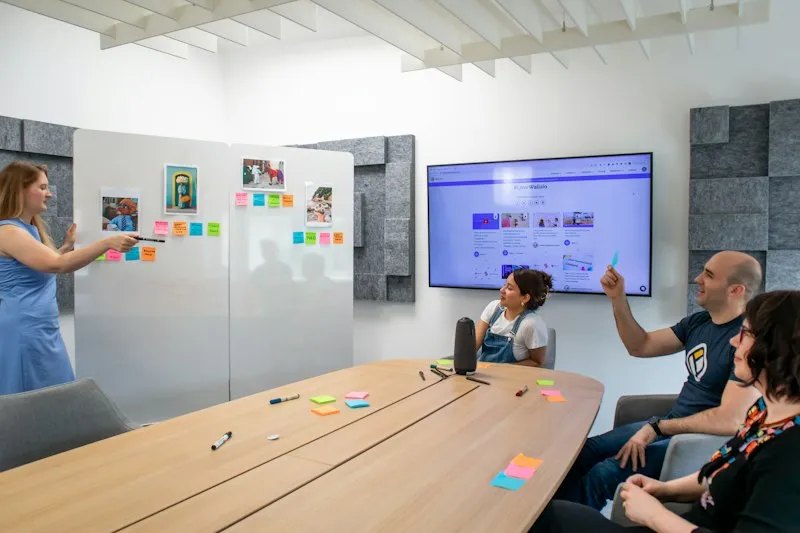
This practice involves deliberately shaping discussions so they center on the work itself-such as resource allocation, methods, or policy-rather than on personalities. To try it, you would set meeting norms that invite diverse opinions on the task and redirect conversations that drift into personal criticism. The effort is moderate because it requires ongoing facilitation by a project lead or manager.
In a study of IT project teams, researchers recommended that leaders monitor and facilitate task conflict during complex projects. By encouraging dialectical exchange, teams shared more knowledge, which was linked to improved performance. However, the study did not test whether this approach works in all settings or with every team composition.
Creating a Team Charter

A team charter is a written agreement that specifies the team’s purpose, strategies, member responsibilities, and required skills. To use this practice, you work with a facilitator-from HR or an external consulting firm-to build the charter together as a team. This upfront effort helps reduce ambiguities about who does what and how the team operates.
The research suggests that developing a charter with a facilitator can resolve process conflicts-disagreements about tasks, resources, or responsibilities-by clarifying roles and priorities. The evidence comes from a review of conflict management strategies; it did not compare charters to other tools or measure effects on team performance directly.
Separating Conflict Types
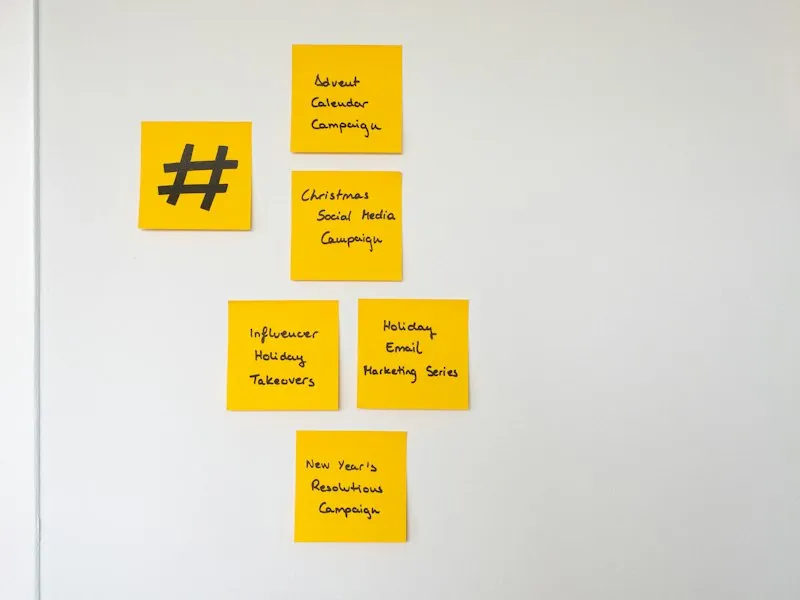
This practice means actively distinguishing between task disagreements, personal clashes, and process disputes, then handling each differently. To try it, you would name the type of conflict aloud when it arises and, if it is personal or procedural, pause the work discussion to address that separately. This requires awareness and discipline from team members, but no formal training.
Research on team conflict profiles found that task conflict only helped team performance when relationship and process conflict were low. In one study, teams with low levels of all conflict types still benefited from some task conflict-as long as it did not trigger the other types. The finding is correlational and does not prove that separating conflict types causes better outcomes.
Take it further
Your Experience
What kind of disagreement tends to surface most often in your team, and what might help you address it more directly?
Talk it out
Starting the Conversation
How do you usually handle disagreements about tasks versus personal clashes in your team?
References
Sources & evidence
4 research papers informed this article. The numbers beside each section link here, and each DOI opens the original paper.
Source 1:The Effect of Conflict and Knowledge Sharing on the Information Technology Project Team Performance
Hewitt, Barbara, Walz, Diane B., McLeod, Alexander (2020). The Effect of Conflict and Knowledge Sharing on the Information Technology Project Team Performance. DOI 10.4018/ijkm.2020010101
DOI 10.4018/ijkm.2020010101articleSource 2:Optimizing team conflict dynamics for high performance teamwork
O'Neill, Thomas A., McLarnon, Matthew J.W. (2018). Optimizing team conflict dynamics for high performance teamwork. DOI 10.1016/j.hrmr.2017.06.002
Source 3:Conflict and Performance in Global Virtual Teams
Kankanhalli, Atreyi, Tan, Bernard C.Y., Wei, Kwok-Kee (2006). Conflict and Performance in Global Virtual Teams. DOI 10.2753/mis0742-1222230309
Source 4:How task and person conflict shape the role of positive interdependence in management teams
Janssen, O (1999). How task and person conflict shape the role of positive interdependence in management teams. DOI 10.1016/s0149-2063(99)80006-3
Next read
Keep reading
 MomentsHow do I stop disagreements at work from becoming personal?When a work disagreement starts to feel like a personal attack, see why trust matters and try one separating statement to reset the conversation.3 min read
 DecisionHow to disagree without a personal fight? Three approachesThree strategies for disagreeing with a colleague without escalating into personal conflict, from lowest to highest immediate effort.4 min read
 ExplainerConflict TypologyConflict typology categorizes team disagreements into task, relationship, and process conflict. Learn the definitions, outcomes, and resolution strategies.6 min read
 How-toHow to disagree with a coworker without damaging your relationshipLearn practical steps to handle workplace disagreements constructively, drawing on team conflict and emotional intelligence research.4 min read
 TechniquesCommon Workplace Conflicts and How to Handle ThemWorkplace conflicts fall into task, relationship, and process types. Learn how each differs and get straightforward approaches to handle them.3 min read
 ExplainerWhat Is Relationship Conflict?Relationship conflict is interpersonal incompatibility causing friction and reduced team performance.5 min read