
Why Do My Team and I Keep Arguing About How to Do the Work?
A decision guide for teams stuck in arguments about work methods, with three options from low to high effort.
The question underneath
Why do my team and I keep arguing about how to do the work?
Sound familiar?
You are in a meeting right now where teammates keep debating how to approach the next deliverable, and no one is changing their mind.
First, get oriented
Before you choose

If your team keeps arguing about how to do the work, you are experiencing task conflict-disagreements about task delegation, methods, opinions on work content, or how to perform the task [S2]. These arguments often feel unproductive because they focus on winning rather than exchanging views, consuming cognitive energy that could go into the work itself [S1].
There is no single right answer here; the best move depends on your team's current capacity and your role. Below are three distinct approaches, ranging from stopping the pressure to engaging in structured debate. Each carries specific trade-offs, so choose based on what your team can handle right now.
Find your starting point
What feels closest to your situation right now?
Choose the situation closest to yours. We’ll take you to that path so you can weigh it without committing to anything.
- See this pathPathI need the argument to stop so we can move forward.
- See this pathPathThe debate might lead to a better idea, if we can keep it respectful.
- See this pathPathI think the team needs to step back and rethink how we work together.
Still unsure? Ask yourself:
Which trade-off feels easier to manage right now-stopping the argument, diving into it, or pausing to reset?
Compare your paths
Three ways forward, different trade-offs
There is no perfect choice. Skim the trade-offs, then read the path that fits what you can manage today.
Path
Strategy 1: Adopt a Temporary Directive to End the Argument
Take the immediate pressure off by making a unilateral call on the disputed method or delegating the decision to one person. This may involve you, as the leader, deciding yourself or assigning a team member to decide and proceed. This approach requires no additional team discussion and stops the conflict instantly [sourceRef: 1].
Research on task conflict suggests that constant, unmanaged arguments can become detrimental, and leaders often need to resolve disagreements to restrain severe conflict [S4]. However, this approach may bypass the potential benefits of moderate task conflict, such as enhanced information sharing and creativity [S6]. The trade-off is that you stop the argument quickly but avoid the deeper exploration that might improve the team's approach.
Path
Strategy 2: Encourage Focused, Moderated Debate on the Method
Instead of ending the argument, reframe it as a structured discussion. As the leader, actively encourage members to express their professional opinions about the task, while emphasizing that reasoning should override emotions and that feelings should be kept under control [S5]. Create clear rules: no personal attacks, each person gets time to present their case, and the goal is to find the best method, not to win. This requires you to facilitate the conversation actively and enforce emotional boundaries [sourceRef: 2].
Cognitive task conflict (CT conflict) is defined by disagreements over ideas while keeping feelings under control, and it can be measured by phrases like 'put reasons above emotions' [S5]. When managed well, moderate task conflict can enhance information elaboration and creativity [S6]. The trade-off: this strategy demands more time and emotional energy from the team right now, but it can lead to a better, more refined solution.
Path
Strategy 3: Pause Work to Reflect on Team Processes and Norms
Stop the current work entirely for a short period (e.g., one meeting) to engage the team in a structured reflection on how they work together. This involves asking questions like: 'What are our shared goals for this project? Are our current methods helping or hindering? How can we disagree productively without getting stuck?' This is a high-effort approach because it sets aside the immediate work and requires everyone to step back [sourceRef: 3].
The concept of team reflexivity-the extent to which teams reflect on and adapt their processes-has been shown to help manage the negative effects of high task conflict [S6]. This approach does not end the current argument but instead addresses the underlying patterns that led to it. The trade-off is significant: you lose time on the immediate task, but you may build a more resilient team that argues better in the future.
SourcesS6
Help in 2 minutes
Before You Decide
What is your team's current capacity for discomfort and time, and which type of argument feels most draining for you personally?
Talk through my situation with the AI mentorQuick start in chat
Talk It Through
What is one argument about work methods that keeps coming up, and what do you think is really under it?
Describe my situation (free)Next read
Keep reading
Nearby guides picked by the editors of this article.
 MomentsHow do I stop disagreements at work from becoming personal?When a work disagreement starts to feel like a personal attack, see why trust matters and try one separating statement to reset the conversation.3 min read
 TechniquesManage Disagreements About Work Tasks Without Damaging RelationshipsCompare practical techniques to keep work task disagreements constructive and avoid relationship harm. Evidence-based approaches for teams.3 min read
 How-toHow to Turn Disagreements Into Productive DiscussionsUse evidence-based steps to turn team disagreements into discussions that improve work.3 min read
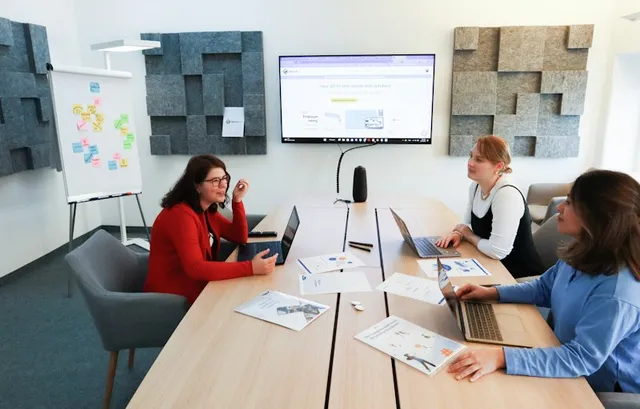 ExplainerTask Conflict AssessmentTask conflict assessment examines the nature, emotional weight, and resolution potential of disagreements about work content, tasks, and ideas.5 min read
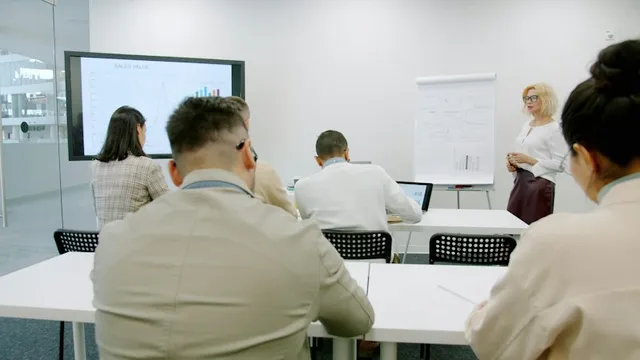 TechniquesWhy We Keep Arguing About the Best Way to Do Our WorkExplore three distinct practices-moderate conflict, reflective adaptation, and cognitive boundaries-for managing work disagreements without promising one fits3 min read
 DecisionWhy Does My Group Feel Less Trusting After a Disagreement?When a disagreement leaves your group less trusting, you can choose a low, moderate, or high-effort strategy. Each option has real trade-offs.3 min read
References
Sources & evidence
4 research papers informed this article. The numbers beside each section link here, and each DOI opens the original paper.
Source 1:Burning hearts in conflict
Hjerto, Kjell B., Kuvaas, Bård (2017). Burning hearts in conflict. DOI 10.1108/ijcma-02-2016-0009
Source 2:The influence of intra‐team conflict on work teams' affective climate: A longitudinal study
Gamero, Nuria, González‐Romá, Vicente, Peiró, José M. (2008). The influence of intra‐team conflict on work teams' affective climate: A longitudinal study. DOI 10.1348/096317907x180441
articleSource 3:The effect of individual task conflict on employee creativity: A moderated mediation model
Li, Ci-Rong, Li, Chun-Xuan, Lin, Chen-Ju (2019). The effect of individual task conflict on employee creativity: A moderated mediation model. DOI 10.1016/j.tsc.2018.11.006
Source 4:On the relationship between intragroup conflict and social capital in teams: A longitudinal investigation in Taiwan
Chang, Man‐Ling (2016). On the relationship between intragroup conflict and social capital in teams: A longitudinal investigation in Taiwan. DOI 10.1002/job.2107
article