
Why We Keep Arguing About the Best Way to Do Our Work
Explore three distinct practices-moderate conflict, reflective adaptation, and cognitive boundaries-for managing work disagreements without promising one fits
The question
Why do we keep arguing about the best way to do our work?
Overview
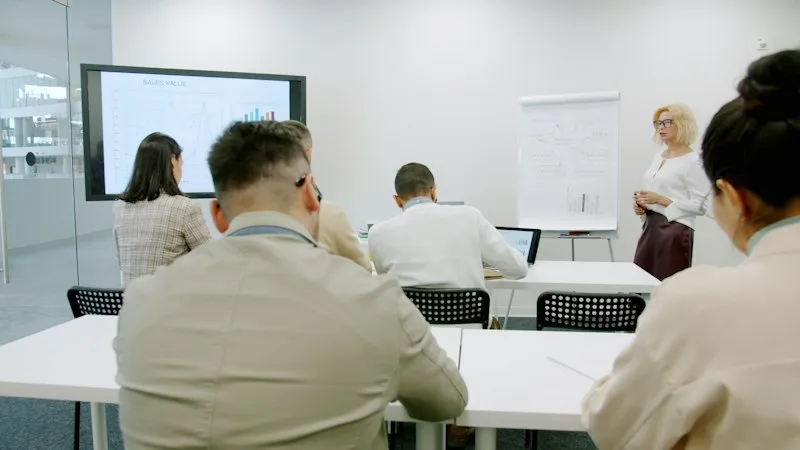
You keep arguing about the best way to do your work because task conflict-disagreements over methods, resources, or procedures-is common in teams. The excerpts describe three distinct practices for handling such disagreements: maintaining moderate task conflict, fostering team reflexivity, and keeping conflicts cognitive rather than personal.
Each practice has been studied in specific settings, and the evidence does not establish which approach is universally best. Below are compact comparisons to help you consider what might fit your team’s context.
Moderate Task Conflict
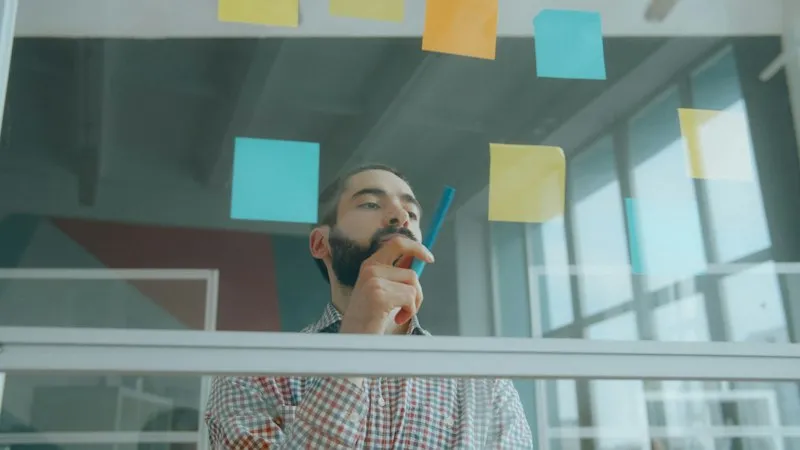
This practice involves encouraging a moderate level of disagreement about work methods-enough to spark discussion and creativity, but not so much that it becomes overwhelming. You would aim for a productive give-and-take where differing viewpoints are aired without escalating into personal attacks.
In a study of individual task conflict, creativity followed an inverted U-shape: it peaked at moderate conflict and dropped when conflict was either low or high. Another study in Brazilian teams found task conflict negatively linked to perceived performance, while in Dutch teams no link was observed, suggesting cultural context matters. This means moderate conflict may help creativity but carries risks that vary by group.
Team Reflexivity
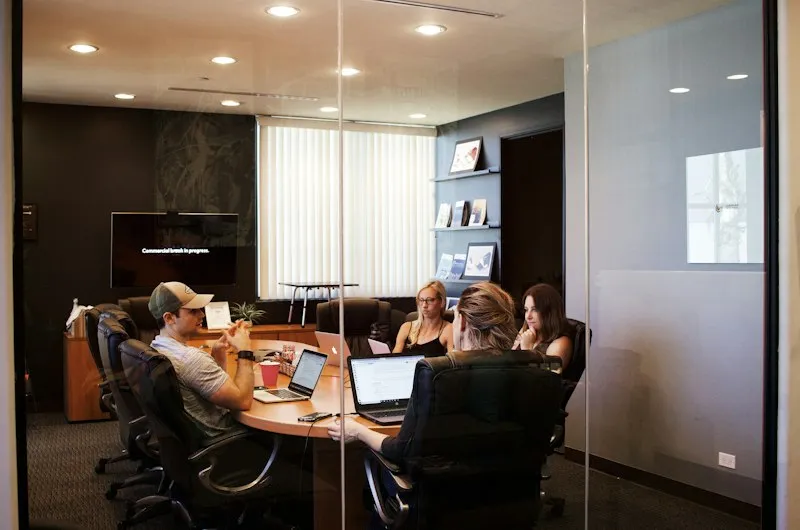
Team reflexivity means regularly reflecting on and adapting your team’s processes. You might set aside time to discuss how you work together-what’s going well, what needs adjustment-and then make changes based on that reflection. It requires a shared commitment to examining your own dynamics.
The excerpts suggest that fostering team reflexivity can help manage the negative effects of high task conflict. This practice is supported by the idea that reflecting as a team helps prevent disagreements from derailing collaboration. However, the evidence does not specify a particular protocol or guarantee improved outcomes in every setting.
Cognitive Boundaries
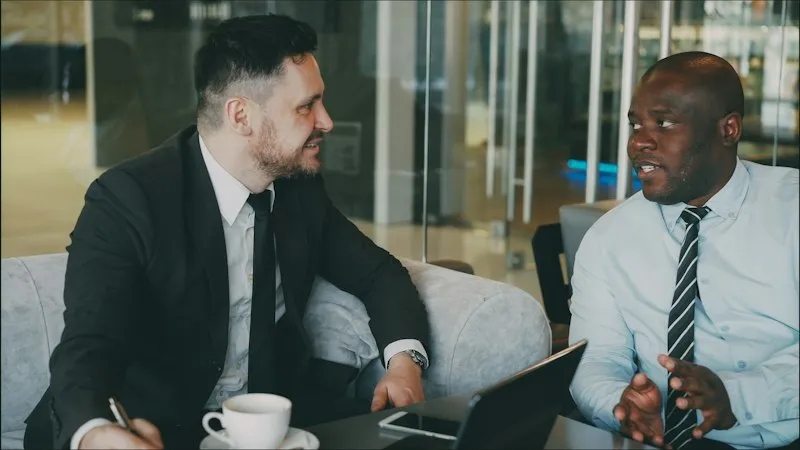
Cognitive boundaries involve keeping disagreements focused on ideas and tasks rather than personal attributes, maintaining an affectively neutral tone. You would intentionally separate the person from the problem, using language that emphasizes reasoning over emotional reactions. This practice requires collective awareness and self-restraint during heated moments.
Research describes that cognitive task conflict emphasizes reasoning and keeping feelings under control. To prevent cognitive conflict from turning emotional, teams can develop norms that confine disagreements to the cognitive domain. A study of 156 bank branches even found that task conflict only affected team mood indirectly through relationship conflict, highlighting the importance of preventing escalation.
Take it further
Your Team's Dynamic
What does your team typically do when a disagreement about work methods arises, and how does that pattern feel from where you sit?
Talk it out
Talk It Over
How does your team usually handle disagreements about how to get work done?
References
Sources & evidence
4 research papers informed this article. The numbers beside each section link here, and each DOI opens the original paper.
Source 1:A cross‐cultural comparison of intragroup conflict in The Netherlands and Brazil
Bisseling, Daan, Sobral, Filipe (2011). A cross‐cultural comparison of intragroup conflict in The Netherlands and Brazil. DOI 10.1108/10444061111126684
Source 2:The influence of intra‐team conflict on work teams' affective climate: A longitudinal study
Gamero, Nuria, González‐Romá, Vicente, Peiró, José M. (2008). The influence of intra‐team conflict on work teams' affective climate: A longitudinal study. DOI 10.1348/096317907x180441
DOI 10.1348/096317907x180441articleSource 3:The effect of individual task conflict on employee creativity: A moderated mediation model
Li, Ci-Rong, Li, Chun-Xuan, Lin, Chen-Ju (2019). The effect of individual task conflict on employee creativity: A moderated mediation model. DOI 10.1016/j.tsc.2018.11.006
Source 4:Burning hearts in conflict
Hjerto, Kjell B., Kuvaas, Bård (2017). Burning hearts in conflict. DOI 10.1108/ijcma-02-2016-0009
Next read
Keep reading
 MomentsHow do I stop disagreements at work from becoming personal?When a work disagreement starts to feel like a personal attack, see why trust matters and try one separating statement to reset the conversation.3 min read
 DecisionWhy Do My Team and I Keep Arguing About How to Do the Work?A decision guide for teams stuck in arguments about work methods, with three options from low to high effort.3 min read
 ExplainerTask Conflict FacilitationTask conflict facilitation means encouraging productive disagreements about work to improve team decisions.5 min read
 How-toHow to Turn Disagreements Into Productive DiscussionsUse evidence-based steps to turn team disagreements into discussions that improve work.3 min read
 DecisionHow to Tell If a Team Debate Is About a Task or a Personal IssueThree strategies to judge whether a team debate is about the task or a personal issue, compared by immediate effort and trade-offs.1 min read
 How-toRestoring Team Focus Through Information SharingWhen your team lacks clear focus, sharing task-related information can reduce conflict and reestablish shared direction.3 min read