
How to Tell if a Conflict Is About Tasks or About Us
Three practices to distinguish task conflicts from relationship conflicts: noticing issue importance, tracking remarks, and initiating quick team check-ins.
The question
How can I tell if a conflict is about tasks or about us?
Overview
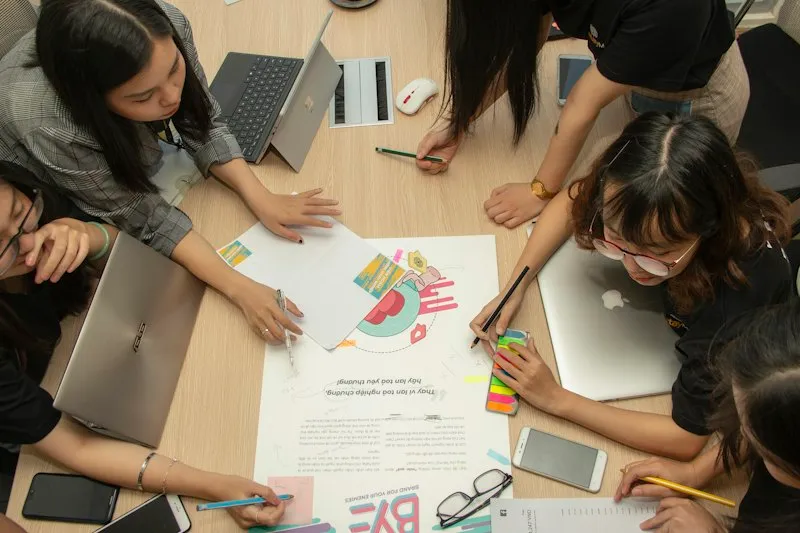
When a disagreement feels personal, it is easy to assume the conflict is about you. Yet research distinguishes task conflict-disagreements about the work itself-from relationship conflict, which involves interpersonal friction. The same disagreement can be either, or can shift from one to the other over time.
Three practices can help you tell them apart: noticing how important the task issue is, tracking whether comments target the work or the person, and briefly checking in with team members. Each is backed by evidence on how teams experience conflict, though no single practice fits every situation or guarantees clarity.
Check Issue Importance

When you find yourself in a disagreement, ask yourself how much the actual task issue matters for the team's performance. If you are debating something trivial-like which day is casual dress day-the conflict may be less about the task and more about personal friction. If the issue is central to the work, such as core planning heuristics, it is more likely a genuine task conflict.
Research shows that teams arguing about important task issues are less likely to interpret the disagreement as a relationship conflict. The link between task and relationship conflict only appears when teams debate trivial task issues. So checking perceived importance gives you a practical clue about what kind of conflict you are in.
Track Whether Remarks Are Personal
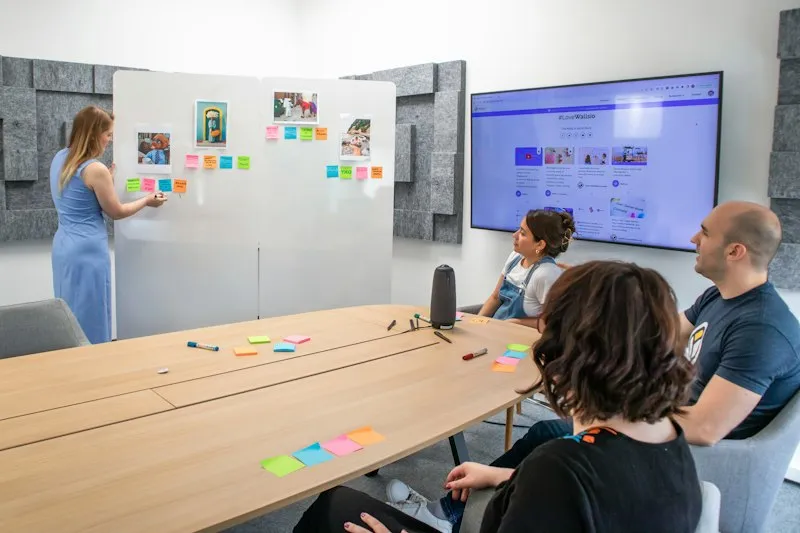
During the disagreement, pay attention to the language used. Task conflict involves different ideas, opinions, goals, or knowledge about the work itself. If comments focus on the content of decisions, objectives, or procedures, it is likely task conflict. If they involve personal animosities, incompatibility, or negative remarks about someone's character, it is relationship conflict.
Misattribution can occur-disagreement on task issues may be perceived as personal criticism. Social interaction that clarifies perspectives can prevent this. Tracking the target of comments helps you catch the shift before the conflict turns personal. The distinction matters because task conflict can promote knowledge sharing, while relationship conflict often reduces it.
Quick Team Check-In

Briefly interact with team members about the disagreement itself, not just the task. For example, you might say, "I want to make sure we are debating the work, not each other. Can we pause and clarify?" This direct check creates an opportunity to re-frame the discussion. It requires only a few minutes and no formal structure.
Evidence indicates that high team interaction about team issues weakens the link between task conflict and relationship conflict. When team interaction is low, task disagreements are more likely to become personal. A brief clarifying discussion can help the team stay on the task dimension and avoid escalating into personal conflict.
Take it further
Your Situation
Thinking about a recent disagreement, what made it feel personal, and what might change if you treated the issue as a separate problem from the people involved?
Talk it out
Opening a Conversation
Have you ever been in a disagreement where it was hard to tell whether you were arguing about the work or about each other?
References
Sources & evidence
4 research papers informed this article. The numbers beside each section link here, and each DOI opens the original paper.
Source 1:Virtual communicating, conflicts and performance in teams
de Jong, Remco, Schalk, René, Curşeu, Petru L. (2008). Virtual communicating, conflicts and performance in teams. DOI 10.1108/13527590810912331
Source 2:The influence of intra‐team conflict on work teams' affective climate: A longitudinal study
Gamero, Nuria, González‐Romá, Vicente, Peiró, José M. (2008). The influence of intra‐team conflict on work teams' affective climate: A longitudinal study. DOI 10.1348/096317907x180441
DOI 10.1348/096317907x180441articleSource 3:The Effect of Conflict and Knowledge Sharing on the Information Technology Project Team Performance
Hewitt, Barbara, Walz, Diane B., McLeod, Alexander (2020). The Effect of Conflict and Knowledge Sharing on the Information Technology Project Team Performance. DOI 10.4018/ijkm.2020010101
DOI 10.4018/ijkm.2020010101articleSource 4:The Influence of Conflict Issue Importance on the Co‐occurrence of Task and Relationship Conflict in Teams
Rispens, Sonja (2011). The Influence of Conflict Issue Importance on the Co‐occurrence of Task and Relationship Conflict in Teams. DOI 10.1111/j.1464-0597.2011.00473.x
Next read
Keep reading
 MomentsHow do I stop disagreements at work from becoming personal?When a work disagreement starts to feel like a personal attack, see why trust matters and try one separating statement to reset the conversation.3 min read
 DecisionHow to Tell If a Team Debate Is About a Task or a Personal IssueThree strategies to judge whether a team debate is about the task or a personal issue, compared by immediate effort and trade-offs.1 min read
 ExplainerDecoupling Task and Relationship ConflictLearn how teams can separate task disagreements from personal friction, the role of emotional regulation, and the impact on performance.6 min read
 How-toHow to Tell If a Conflict Is About the Work or About Personal IssuesLearn how to distinguish task conflict from relationship conflict in teams by examining the importance of the issue and your emotional reactions.3 min read
 TechniquesDistinguishing Work Conflicts from Personal ConflictsCompare three evidence-informed approaches to tell whether a conflict is about work tasks or personal issues.3 min read
 ExplainerWhat Is Relationship Conflict?Relationship conflict is interpersonal incompatibility causing friction and reduced team performance.5 min read