
Category
Procrastination
Delaying tasks even when the consequences are known.

- In this topic
- 87 articles
- Ready to read
- 87 articles published
- References
- 109 research papers behind it
Reading path
In this category
Keep one idea that fits, then try a small next step in Mneno.
 DecisionWhy Do I Choose Pleasure Now Even If It Hurts Later?Learn why you favor immediate pleasure over future costs, and compare three strategies for making decisions that balance present feelings with long-term goals.1 min read
 TechniquesWhy Do I Always Postpone Studying?Explore why studying often gets delayed until the last minute, examining motivation and perfectionism as key factors, and compare approaches to understand your3 min read
 TechniquesWhy You Avoid Starting Unpleasant TasksExplore why tasks feel unpleasant and learn three approaches-Reimagining the Task, Starting Small, and Checking Competence-to help you begin.2 min read
 TechniquesChoosing Where to Start When You Feel StuckLearn about three approaches to understanding why making decisions can feel difficult and what may help.3 min read
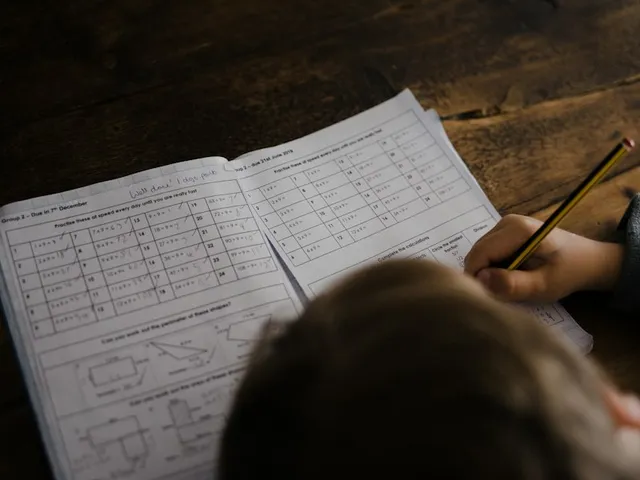 TechniquesUnderstanding Why You Avoid Math Homework Despite Knowing the ConsequencesThis article explores why you avoid math homework even when you know it will cause later regret, focusing on mood repair and short-term emotion regulation.3 min read
 TechniquesPractices for Understanding Anxiety-Driven ProcrastinationExplore practices that help you observe how anxiety may contribute to procrastination, without promising a single solution for everyone.3 min read
 TechniquesComparing Ways to Approach Tasks When Fear of Failure Holds You BackExplore three practices that may help when fear of failure makes starting tasks difficult. Compare what each involves and what the evidence says.3 min read
 TechniquesExploring Beliefs That Fuel the Procrastination CycleLearn about three practices for examining the beliefs that keep you stuck in a cycle of thinking about procrastinating instead of starting a task.3 min read
 TechniquesRepetitive Thoughts While ProcrastinatingCompare three practices for managing repetitive negative thoughts that arise during procrastination.3 min read
 TechniquesComparing Practices for Starting Work When You Fear It Won't Be PerfectExplore concrete practices to help you start work when you worry it won't be perfect, based on research about perfectionism and procrastination.3 min read
 TechniquesWhy Students Study at the Last MinuteExplore the reasons behind last-minute studying, from perceived impact to emotional responses, and compare strategies to understand your own patterns.3 min read
 TechniquesWhy Do I Put Off Decisions Until It's Too Late?Explore why you delay decisions, including habitual delay, indecision, and onset barriers.3 min read
 TechniquesComparing Techniques for Understanding Procrastination FrequencyExplore distinct practices to examine why you may procrastinate more than others, considering how gender might relate to self-regulation strategies.3 min read
 TechniquesWhy You Procrastinate on What MattersExplore why you put off important tasks: understanding avoidance patterns, self-handicapping, and mood repair. Compare evidence-based perspectives.3 min read
 TechniquesWhy Knowing Isn't Doing: Three Strategies to Bridge the Intention-Action GapExplore three research-backed practices for closing the gap between knowing what to do and actually doing it, from if-then planning to energy management.3 min read
 TechniquesHow to Actually Follow Through on Your PlansCompare three evidence-based practices for following through on plans: if-then planning, building habits, and simplifying your environment.2 min read
- TechniquesHow Procrastination Affects Your LifeProcrastination is linked to lower academic grades, reduced well-being, and poorer self-regulation. Explore the evidence without assuming outcomes.2 min read
 TechniquesWhy You Put Off Boring or Unpleasant TasksLearn the psychological reasons you avoid boring tasks and explore evidence-based strategies to reduce procrastination, including increasing task meaning and2 min read
 TechniquesComparing Ways to Manage Present BiasCompare three evidence-backed practices to understand why fun now often wins over long-term goals and explore ways to align daily choices with what matters3 min read
 TechniquesWhy You Keep Underestimating Task TimeLearn why you often think tasks will take less time than they do and compare practical ways to make your time estimates more realistic.3 min read
 TechniquesHow to Measure ProcrastinationCompare three ways to measure procrastination: self-report scales, external ratings, and distinguishing active from passive delay.3 min read
 TechniquesWhy Do I Keep Putting Off Tasks I Find Unpleasant?Tasks feel unpleasant when their rewards are distant or delayed. Learn how task characteristics, personality, and mood regulation play a role.3 min read
 TechniquesComparing Ways to Assess ProcrastinationCompare three concrete practices for gauging procrastination: tracking real deadlines, noting task-interruption patterns, and using self-report scales.3 min read
 TechniquesDelaying Schoolwork Despite Knowing the CostExplore three evidence-based practices for addressing academic procrastination: implementing implementation intentions, using time management tools, and3 min read
 DecisionWhat Are the Real Risks of Delaying Tasks?Explore the trade-offs of procrastination: academic risks, time pressure, and how to choose a response based on your current capacity.4 min read
 DecisionWhy You Always Underestimate How Long a Task Will TakeUnderstanding the planning fallacy: why you underestimate task time and three ways to respond based on your current capacity.3 min read
 DecisionWhy Do I Put Off Hard or Boring Tasks?Understand why you avoid difficult tasks and choose between three strategies to start, from lowering pressure to building momentum.3 min read
 DecisionWhy do I keep delaying my school assignments even though I know I shouldn't?Explore why academic delay persists despite knowing better, and consider three strategies with different immediate demands and trade-offs.3 min read
 DecisionIs It Procrastination or Planning?Learn how to tell if your actions are procrastination or planning. Practical strategies based on behavioral measures.2 min read
 DecisionWhy Do I Keep Putting Off Work Because I'm Scared It Won't Be Perfect?Understand why fear of imperfection fuels procrastination and explore three strategies to move forward now.4 min read
 How-toHow can I tell if my procrastination is normal or a serious problem?Learn how to distinguish between typical delay and problematic procrastination using simple context-based questions about the pattern's impact and your4 min read
 How-toHow to Measure How Much Procrastination Affects Your SchoolworkUse the Procrastination Assessment Scale-Students (PASS) to rate how often you delay academic tasks and how much it is a problem.4 min read
 How-toHow to Tell If Your Phone Scrolling Is Really ProcrastinationCompare your phone use to behavioral measures of delay, such as how often you put off intended tasks, to see if it is procrastination.3 min read
 How-toWhy do I dread starting a task that feels so unpleasant?Learn why unpleasant tasks trigger avoidance and how simple shifts can make starting easier, based on research on procrastination.2 min read
 ExplainerAcademic Context Procrastination EffectProcrastination's unique impact on academic settings: how context, beliefs, and motivation shape student delay and performance.5 min read
 ExplainerKey Research References for ProcrastinationProcrastination is a self-regulatory failure, not poor time management. Key references cover trait and group-level work, health costs, task aversiveness, and5 min read
 ExplainerHow Are Achievement Values and Procrastination Related?Learn how valuing achievement is linked to less procrastination, based on research showing a negative association between achievement values and delay.4 min read
 ExplainerActive vs. Passive ProcrastinationActive procrastination is intentional delay with productive work; passive procrastination is harmful delay linked to distress and missed deadlines.5 min read
 ExplainerWhat Deadline Ability Reveals About ProcrastinationMeeting deadlines is a strong sign of reversing procrastination. Learn how this skill relates to achievement and what it means.3 min read
 ExplainerHow Acceptance and Procrastination Are RelatedProcrastination is linked with lower self-compassion. Acceptance may help reduce stress from procrastination, but the relationship is nuanced.5 min read
- ExplainerHow Assessment Increases ProcrastinationLearn how the tendency to evaluate and compare options can increase procrastination, supported by research on regulatory modes and perfectionism.4 min read
 ExplainerAcademic vs. Non-Academic Productive ProcrastinationLearn how academic and non-academic productive procrastination differ in domain, outcomes, and implications for students.6 min read
 ExplainerWhat Is Academic Procrastination?Academic procrastination is the voluntary delay of schoolwork despite expecting negative consequences.4 min read
 ExplainerHow Locomotion and Procrastination Are RelatedLocomotion, a focus on movement and action, is linked to less procrastination. This article explains the research and what the findings mean.6 min read
- TechniquesHow Assessment Increases ProcrastinationLearn how an assessment-oriented mindset can increase procrastination through overthinking, comparing, and perfectionism. Explore practices to reduce delay.2 min read
 MomentsWhy do I always underestimate how long tasks will take?If you underestimate tasks, you're not alone. Learn why this happens and a quick tool to improve time estimates.3 min read
 MomentsWhy do I keep putting off important tasks until the last minute?If you're delaying a task right now, you're not lazy. This is about avoiding anxiety. Use a simple 2-minute start to break the cycle.2 min read
 MomentsWhy do I always choose fun now over work that matters later?If you keep choosing fun now over important work later, you're not lazy. This is present bias, and one simple decision technique can help.3 min read
- ExplainerProcrastination Scales OverviewProcrastination scales are self-report tools that measure how often or intensely a person delays tasks.6 min read
 ExplainerPredictors of ProcrastinationProcrastination is predicted by low conscientiousness, task aversiveness, impulsivity, lack of perseverance, and metacognitive factors.6 min read
 ExplainerPASS Academic Procrastination MeasureThe PASS is a self-report questionnaire that measures how often students procrastinate on academic tasks and how much that delay is a problem.5 min read
 ExplainerUnderstanding Behavioral Procrastination MeasuresA behavioral procrastination measure tracks actual delay in real-world tasks, such as assignment submission times, rather than relying solely on self-reports.5 min read
 ExplainerTask Aversiveness EffectThe task aversiveness effect explains why people postpone unpleasant tasks, driven by a motivation to avoid discomfort.6 min read
 ExplainerThe Harms of ProcrastinationProcrastination is linked to poorer academic and work performance, higher stress, and worse well-being. Learn about its effects and what research shows.5 min read
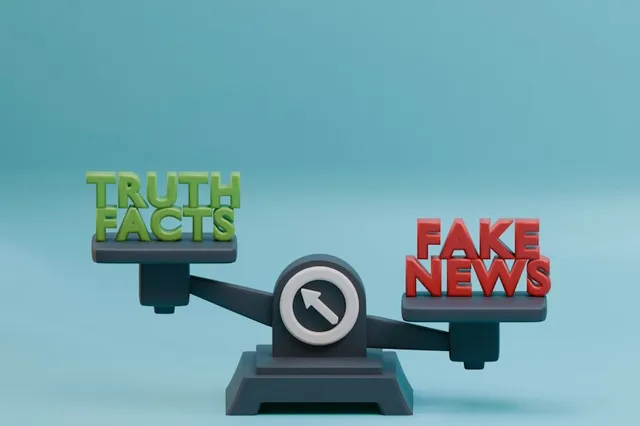 ExplainerWhat Is Present Bias?Present bias is the tendency to overvalue immediate rewards and costs, often leading to procrastination. This article explains how it works and what you can do.6 min read
 ExplainerPlanning FallacyThe planning fallacy is the tendency to underestimate task completion times. Learn what it is, how it works, and what influences it.5 min read
 ExplainerWhat Are Procrastinatory Cognitions?Procrastinatory cognitions are automatic negative thoughts about past procrastination. Learn how they relate to stress and self-evaluation.6 min read
 ExplainerIntention-Action GapWhy your plans don’t always become actions. Learn about the intention-action gap, how procrastination relates to it, and what strategies may help.6 min read
 ExplainerImplementation IntentionsImplementation intentions are specific if-then plans that link a situational cue to a goal-directed response, helping bridge the intention-action gap.5 min read
- ExplainerHow Academic Regulation and Procrastination Are RelatedAcademic regulation and procrastination are negatively related: stronger self-regulation and motivational strategies are linked to less procrastination.6 min read
 ExplainerProcrastination CorrelatesProcrastination is linked to low conscientiousness, high neuroticism, poor emotion regulation, and self-handicapping. Learn about key correlates.6 min read
 ExplainerThe Three-Factor Structure of ProcrastinationThe three-factor structure of procrastination includes decisional delay, implemental delay, and timeliness, distinct but related components.6 min read
 ExplainerGender Differences in ProcrastinationResearch shows gender is only weakly related to procrastination, with men procrastinating slightly more than women in some studies. Differences are small.6 min read
- ExplainerThe Metacognitive Model of ProcrastinationLearn how the metacognitive model explains procrastination through beliefs about thinking, cognitive-attentional patterns, and academic outcomes.6 min read
 ExplainerRisks of Academic ProcrastinationAcademic procrastination raises risks for lower grades, more stress, poorer health, and unhealthy behaviors like alcohol misuse.5 min read
 ExplainerAcademic Procrastination PatternsLearn about common academic procrastination patterns, how they are measured, and what research reveals about their impact on students.5 min read
 ExplainerTemporal Discounting and ProcrastinationTemporal discounting makes future rewards and punishments feel less important, which can lead to procrastination by favoring present choices over delayed ones.6 min read
 ExplainerThe Hidden Costs of ProcrastinationProcrastination can lower performance, raise stress and health problems later, and create a mood loop. Learn about its costs and the limits of time management.5 min read
 ExplainerProcrastination and Performance: What the Research ShowsProcrastination often undermines performance by reducing available work time, but some forms, like productive procrastination, may relate to better academic6 min read
 ExplainerWhat Is Internet-Based CBT for Procrastination?Internet-based CBT for procrastination is a structured online therapy that uses cognitive and behavioral techniques to reduce chronic procrastination.4 min read
 ExplainerFear of Failure and Procrastination: A Closer LookUnderstand how fear of failure relates to procrastination, including the role of perfectionism, and what the research shows.6 min read
 ExplainerTypes of ProcrastinationLearn about different types of procrastination, including arousal, avoidant, and decisional styles, and how they are studied and measured.4 min read
 ExplainerWhat Is Decisional Procrastination?Decisional procrastination is the tendency to delay decisions when faced with choices.6 min read
 ExplainerCommon Drivers of ProcrastinationProcrastination often stems from task aversiveness, fear of failure, low conscientiousness, and poor executive function, rather than laziness.5 min read
 ExplainerAge and Gender in ProcrastinationLearn how age and gender relate to procrastination, based on research findings that show younger people and males may procrastinate slightly more.6 min read
 ExplainerActive Procrastination ProfileActive procrastination is intentional delay with timely completion. Learn its personality traits, outcomes, and how it differs from passive procrastination.4 min read
 ExplainerActive and Passive Procrastination: Differences and RelationshipsExplore how active and passive procrastination differ, from intentional delay and deadline management to personality traits and outcomes.5 min read
 ExplainerThe Costs of ProcrastinationProcrastination is linked to worse health and financial outcomes. Learn about its effects on well-being, mood, and its connections to mental health.6 min read
 ExplainerConsequences of ProcrastinationProcrastination is linked to guilt, lower well-being, worse performance, and health issues, though short-term relief can mask long-term costs.4 min read
 ExplainerPrevalence of ProcrastinationProcrastination affects about 20% of adults globally and 80-95% of college students. Learn how common it is across groups.4 min read
 ExplainerWhat Procrastination Is Associated WithProcrastination is linked to perfectionism, impulsivity, low conscientiousness, and self-efficacy. Learn how these traits affect delay.5 min read
 ExplainerAcademic ProcrastinationAcademic procrastination is needlessly delaying school tasks despite knowing it will harm you.5 min read
 ExplainerSelf-Efficacy and ProcrastinationProcrastination is linked to lower self-efficacy. Discover how confidence affects delay and what research says about breaking the cycle.7 min read
 ExplainerNeuroticism and Procrastination: What Research ShowsNeuroticism is linked to procrastination. Learn the strength of this link, why it occurs, and what limitations exist in the research.5 min read
 ExplainerProcrastination as a Self-Regulation FailureProcrastination is a self-regulation failure: voluntarily delaying an intended action despite expecting worse outcomes, not simple laziness.5 min read
 ExplainerActive Procrastination ExplainedActive procrastination is the intentional delay of tasks to use deadline pressure as motivation, often contrasted with harmful passive procrastination.4 min read
 ExplainerProcrastination and Mood RepairProcrastination is often driven by prioritizing immediate mood repair over long-term goals, leading to temporary relief but later negative feelings.5 min read
A place to begin
Make room for your next step.
You do not need to have it all figured out. Bring one real moment to Mneno, notice what matters, and choose one step to try.
Name the moment
Describe what happened in your own words.
Notice what matters
Explore the needs and reactions beneath it.
Choose one step
Find a small action you can try next.
Start a private reflection
Start at your own pace