

Academic procrastination is the voluntary delay of academic work despite expecting to be worse off, making it an irrational rather than a sensible postponement. This pattern is widespread among students, with prevalence rates ranging from 20% to 70% depending on the population, and it is considered a self-regulatory failure distinct from intentional delay.
Researchers have studied procrastination both as a general tendency and as specific patterns of behavior. Rather than viewing all procrastination as identical, some approaches identify distinct procrastination styles that combine productive and unproductive actions across academic and non-academic domains. Understanding these patterns can help clarify why some students delay tasks and how this affects their performance and well-being.
What Procrastination Patterns Look Like
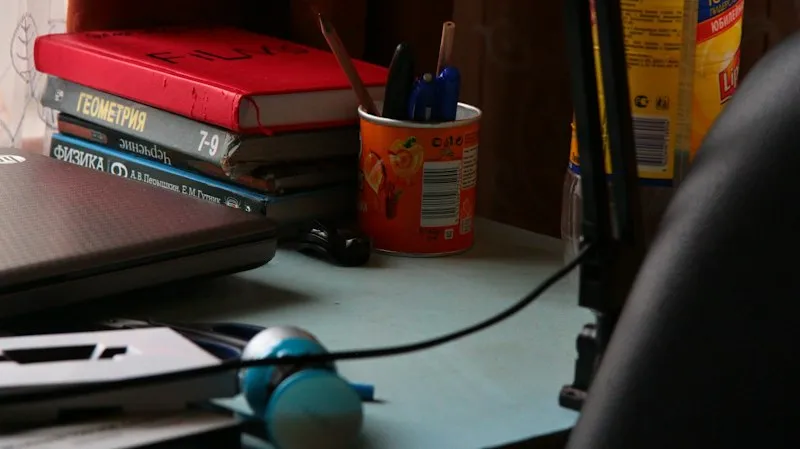
Academic procrastination patterns are not uniform; students combine different procrastination responses in varying ways. A person-centered approach has identified five distinct procrastination styles: non-procrastinator, academic productive procrastinator, non-academic productive procrastinator, non-academic procrastinator, and classic procrastinator. These styles reflect how individuals blend productive and unproductive behavior within academic and non-academic settings.
For example, an academic productive procrastinator might delay a study session by reading course-related articles, while a non-academic productive procrastinator might clean their room instead of studying. In contrast, a classic procrastinator engages in unproductive delays, such as browsing social media, without any productive outlet. These patterns show that procrastination is not a single behavior but a set of related response strategies.
Take it further
Discussing Procrastination
Have you ever noticed a pattern in the way you delay tasks, like switching to a different assignment instead of the one you planned?
Reflect in Mneno
How Procrastination Is Measured

Researchers use several tools to assess academic procrastination, each capturing a different aspect of the behavior. The Procrastination Assessment Scale-Students (PASS) is a widely used measure that assumes procrastination is dysfunctional. It asks students how often they procrastinate, how much it is a problem, how much they want to stop, and why they procrastinate in specific academic domains.
Other common measures include the General Procrastination Scale (GPS), which looks at delay across many life areas, and the Decisional Procrastination Scale (DPS), which focuses on indecision. These tools assess different facets, such as academic delay, general delay, and difficulty making decisions. However, most assume that procrastination is harmful, which may not capture situations where delay is strategic or productive.
Outcomes Associated with Procrastination

Academic procrastination is linked to several negative outcomes, including lower academic performance, increased stress, and poorer well-being. Delaying academic work is considered a harmful habit that negatively affects student achievement, and it is a significant predictor of course dropout. The relationship between procrastination and performance is reliable, with procrastinators typically showing lower study effort and poorer grades.
However, the picture becomes more nuanced when considering procrastination styles. Productive forms of procrastination, such as doing other academic tasks, may have different outcomes than unproductive delays. Research suggests that productive and non-productive procrastination relate differently to academic performance, though even productive delay still represents a deviation from intended study plans.
Possible Responses to Procrastination Patterns

Because procrastination patterns vary, responses may need to be tailored to the individual style. One practical approach is to increase students' awareness of how they spend their study time. Activity diaries and time-tracking apps can provide useful information, as procrastination reliably predicts lower study effort. Monitoring actual time spent on self-directed studying may help students recognize when they are delaying.
Study skill interventions can also be helpful, but their impact tends to fade over time. Repeated instruction is important; devoting some class time to study skills at the start of each semester or course may reinforce good habits. These strategies aim to address the self-regulatory failure at the core of procrastination.
FAQ
Common questions
Each answer is linked to its research.
Is academic procrastination the same as laziness?
No, academic procrastination is distinct from laziness. Procrastination involves voluntarily delaying academic work despite expecting to be worse off-it is an irrational delay against better judgment. Laziness, in contrast, implies a general lack of motivation or effort. Procrastination is considered a self-regulatory failure where a student intends to complete a task but fails to follow through, whereas laziness may involve no intention to act at all.
SourcesS2S3All sources
Can procrastination ever be beneficial?
Research on procrastination patterns shows that some forms, such as academic productive procrastination, involve delaying one academic task by doing another productive academic task. However, even this represents a deviation from planned study activities and is generally associated with lower academic performance and increased stress. While a few studies suggest that delay can sometimes be adaptive, the overall evidence indicates that academic procrastination is a harmful habit that negatively affects student achievement and well-being.
SourcesS7S8All sources
How can I tell which procrastination style I have?
Researchers use person-centered analysis to identify procrastination styles, such as non-procrastinator, academic productive procrastinator, non-academic productive procrastinator, non-academic procrastinator, and classic procrastinator. To get a sense of your own pattern, you can reflect on whether your delays tend to be productive (e.g., doing other academic tasks) or unproductive (e.g., scrolling social media), and whether they occur in academic or non-academic domains. Formal self-report scales like the Procrastination Assessment Scale-Students (PASS) can also help assess how often you procrastinate and how much it bothers you.
SourcesS7S10All sources
Next read
Keep reading
Nearby guides picked by the editors of this article.
 MomentsWhy do I always underestimate how long tasks will take?If you underestimate tasks, you're not alone. Learn why this happens and a quick tool to improve time estimates.3 min read
 DecisionWhat Are the Real Risks of Delaying Tasks?Explore the trade-offs of procrastination: academic risks, time pressure, and how to choose a response based on your current capacity.4 min read
 How-toHow to Measure How Much Procrastination Affects Your SchoolworkUse the Procrastination Assessment Scale-Students (PASS) to rate how often you delay academic tasks and how much it is a problem.4 min read
 TechniquesWhy Do I Always Postpone Studying?Explore why studying often gets delayed until the last minute, examining motivation and perfectionism as key factors, and compare approaches to understand your3 min read
 TechniquesWhy You Avoid Starting Unpleasant TasksExplore why tasks feel unpleasant and learn three approaches-Reimagining the Task, Starting Small, and Checking Competence-to help you begin.2 min read
 DecisionWhy do I doubt I can handle my tasks even when I've done them before?Explore three strategies to address self-doubt about handling tasks you've done before, comparing immediate effort and trade-offs.4 min read
References
Sources & evidence
4 research papers informed this article. The numbers beside each section link here, and each DOI opens the original paper.
Source 1:Adolescent Brain Development: A Period of Vulnerabilities and Opportunities. Keynote Address
DAHL, RONALD E. (2004). Adolescent Brain Development: A Period of Vulnerabilities and Opportunities. Keynote Address. DOI 10.1196/annals.1308.001
articleSource 2:How Study Environments Foster Academic Procrastination: Overview and Recommendations
Svartdal, Frode, Dahl, Tove I., Gamst-Klaussen, Thor, Koppenborg, Markus, et., al. (2020). How Study Environments Foster Academic Procrastination: Overview and Recommendations. DOI 10.3389/fpsyg.2020.540910
Source 3:Productive procrastination: academic procrastination style predicts academic and alcohol outcomes
Westgate, Erin C., Wormington, Stephanie V., Oleson, Kathryn C., Lindgren, Kristen P. (2016). Productive procrastination: academic procrastination style predicts academic and alcohol outcomes. DOI 10.1111/jasp.12417
articleSource 4:The relationship between procrastination and academic performance: A meta-analysis
Kim, Kyung Ryung, Seo, Eun Hee (2015). The relationship between procrastination and academic performance: A meta-analysis. DOI 10.1016/j.paid.2015.02.038