
Practices for Understanding Anxiety-Driven Procrastination
Explore practices that help you observe how anxiety may contribute to procrastination, without promising a single solution for everyone.
The question
How does my anxiety drive me to procrastinate?
Overview
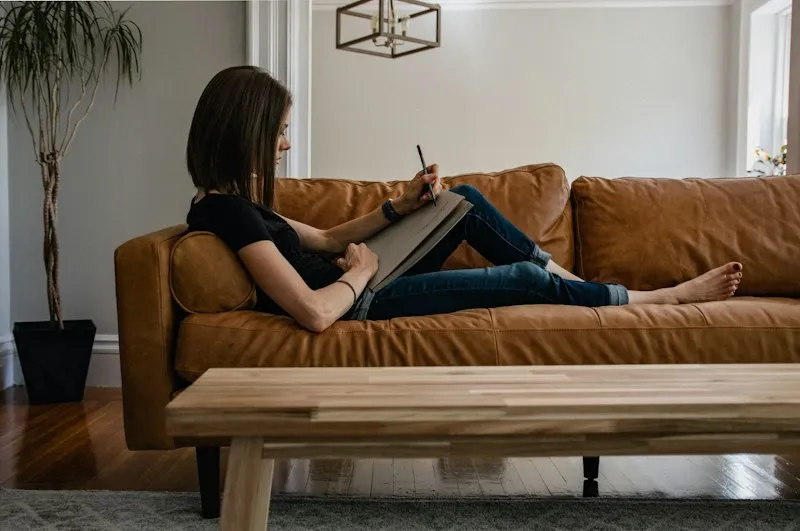
If you find that anxiety and procrastination go hand in hand, it may help to recognize that avoidance of anxious feelings can fuel delay. Rather than being simply a motivation problem, procrastination can sometimes serve as a short-term way to escape the discomfort a task brings.
Below are several practices drawn from research on anxiety, personality, and procrastination. The evidence does not show that any one of these works best for everyone, but they offer different starting points for noticing how anxiety may be driving your procrastination.
Observing Avoidance Patterns

One practice is to simply note when you feel the urge to set aside a task because it stirs anxiety. You can keep a brief log for a few days, writing down the task, the feeling, and what you did instead. This helps you see the connection without judging yourself.
Studies suggest that procrastination can function as emotional avoidance, not just low motivation. In student samples, the desire to escape task-related anxiety was a driver of delay. This practice is about noticing that pattern in your own experience, not about testing a proven intervention.
Mindfulness of Describing and Awareness
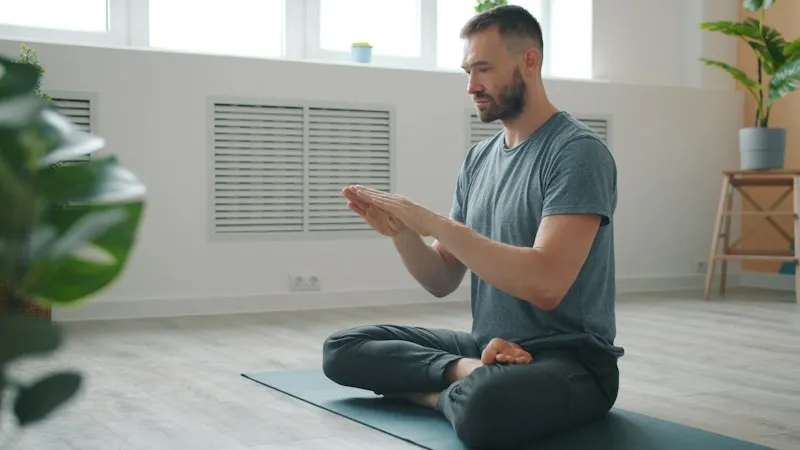
You can try a mindfulness exercise where you label your anxious thoughts without getting caught up in them. For example, say to yourself, 'I notice worry about this task,' or simply observe the feeling as a passing event. The aim is to practice shifting from automatic avoidance to a more aware response.
In one study, the mindfulness facets of describing (labeling experiences) and acting with awareness were linked to lower procrastination, even when trait anxiety was high. Anxiety itself still predicted more delay, but these mindfulness skills appeared to weaken that link. The study was correlational, so it cannot prove that building these skills reduces procrastination.
Building Self-Confidence Alongside Managing Anxiety

When you feel anxious about a task, you might also try a practice of reviewing your past successes or reminding yourself of your competence in similar situations. Write down one thing you've done well before, or list your relevant skills. This is not about ignoring anxiety but about pairing it with self-trust.
Research on students high in neuroticism suggests that interventions may need to address both negative emotions and self-confidence. The authors noted that reducing anxiety alone might be less effective unless people also strengthen belief in their own competence. This practice is based on that idea, though it hasn't been tested as a standalone exercise.
Take it further
Noticing Your Own Pattern
When you feel the urge to delay, what might help you pause and notice what is happening in that moment?
Talk it out
Open Conversation
Have you ever noticed a time when anxiety seemed to get in the way of starting something important?
References
Sources & evidence
4 research papers informed this article. The numbers beside each section link here, and each DOI opens the original paper.
Source 1:A preliminary investigation of the role of psychological inflexibility in academic procrastination
Glick, Debra M., Millstein, Daniel J., Orsillo, Susan M. (2014). A preliminary investigation of the role of psychological inflexibility in academic procrastination. DOI 10.1016/j.jcbs.2014.04.002
Source 2:The nature of procrastination: A meta-analytic and theoretical review of quintessential self-regulatory failure.
Steel, Piers (2007). The nature of procrastination: A meta-analytic and theoretical review of quintessential self-regulatory failure.. DOI 10.1037/0033-2909.133.1.65
Source 3:A meta-analytically derived nomological network of procrastination
van Eerde, Wendelien (2003). A meta-analytically derived nomological network of procrastination. DOI 10.1016/s0191-8869(02)00358-6
Source 4:The Mediating Role of Self-Efficacy between Neuroticism and Procrastination among Undergraduates
Wang, Wu, Han, Ruiqing, Luo, Yuluo, Wu, Zehua, et., al. (2018). The Mediating Role of Self-Efficacy between Neuroticism and Procrastination among Undergraduates. DOI 10.1109/icma.2018.8484534