
Choosing Where to Start When You Feel Stuck
Learn about three approaches to understanding why making decisions can feel difficult and what may help.
The question
Why can't I make up my mind about what to do first?

Overview
If you often find yourself unable to settle on a first task, you may be experiencing a pattern called decisional procrastination: putting off choices rather than actions. This is different from simply delaying tasks you intend to do later, and it can feel particularly stuck when multiple options compete for your attention.
The practices below are not a complete list or a ranking. Each one highlights a different way people have described or approached the experience of decision delay. The evidence compares these approaches in general but does not say which would fit your specific situation.
Recognize Decisional Procrastination

You could try noticing whether your hesitation is about choosing a first step rather than about doing a task you have already chosen. Decisional procrastination means delaying the decision itself, not the action that follows. To see if this fits, you might ask yourself: Am I waiting because I cannot settle on what to do first, or because I know what to do but put off starting?
Research distinguishes decisional procrastination from behavioral procrastination, where a person delays action after deciding. The two patterns share some features but also have different correlates; for example, decisional procrastination relates more to neuroticism and sensation-seeking in some studies. Recognizing the distinction can help you understand what kind of delay you are experiencing.
Check Metacognitive Beliefs
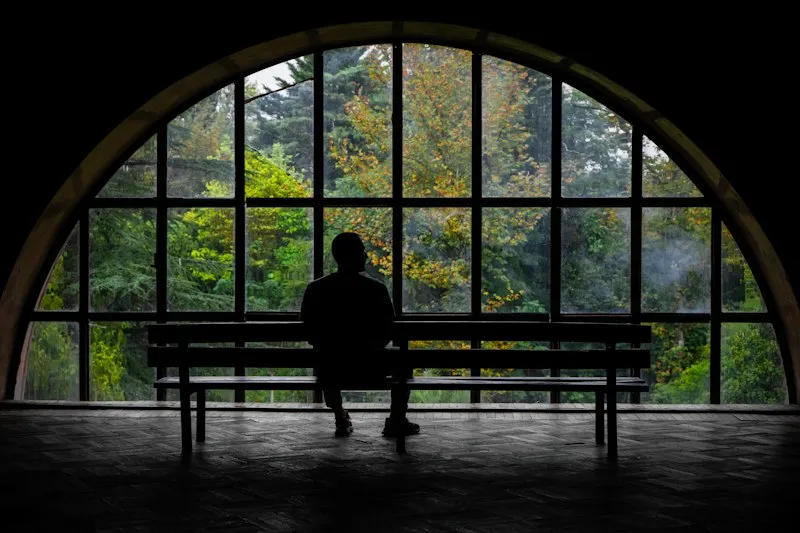
Another approach is to examine the thoughts you have about your own thinking. You might reflect on whether you believe worry is helpful, that your thoughts are dangerous or uncontrollable, or that you must tightly control what comes to mind. These beliefs have been linked to decisional procrastination and may contribute to feeling unable to choose.
A study found that certain metacognitive beliefs were associated with decisional procrastination, including positive beliefs about worry and beliefs about the uncontrollability of thoughts. This is not evidence that changing those beliefs will eliminate the delay, but it offers a way to consider what might be beneath the hesitation.
Consider Strategic Delay
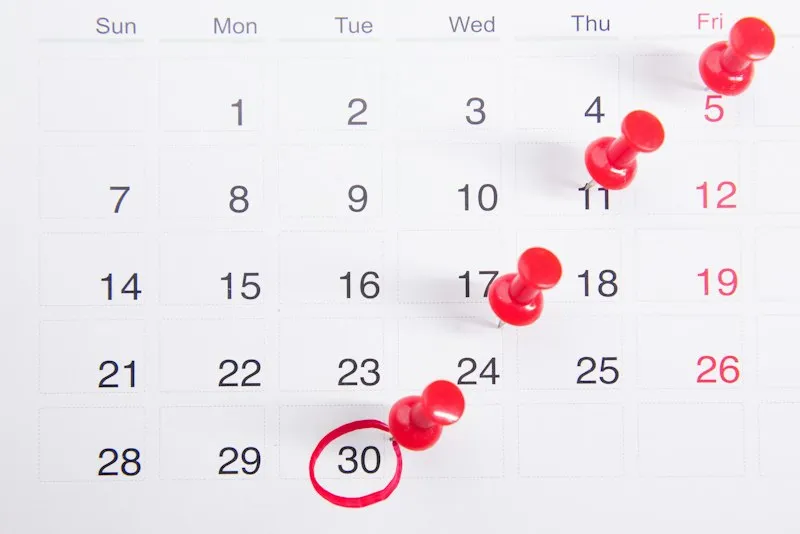
If your delay feels intentional, you could explore whether it is a form of strategic delay rather than procrastination. Strategic delay means you are voluntarily putting off a decision because you expect better outcomes from waiting, not because you cannot decide. You might ask yourself: Is there a reason I might benefit from waiting before choosing a first task?
Strategic delay is described as a functional form of delay where a person believes short-term costs will be outweighed by longer-term gains. It differs from procrastination because the delay is purposeful. However, the line between the two can be blurry, and it can be hard to know whether you are delaying strategically or avoiding a decision.
Take it further
Pause and Consider
What might you learn about your own pattern of delay by observing whether you are putting off a decision or putting off action after deciding?
Talk it out
Opening a Conversation
Have you ever noticed a difference between delaying a decision and delaying the action you decided on?
References
Sources & evidence
4 research papers informed this article. The numbers beside each section link here, and each DOI opens the original paper.
Source 1:Procrastination
Klingsieck, Katrin B. (2013). Procrastination. DOI 10.1027/1016-9040/a000138
Source 2:Arousal, avoidant and decisional procrastinators: Do they exist?
Steel, Piers (2010). Arousal, avoidant and decisional procrastinators: Do they exist?. DOI 10.1016/j.paid.2010.02.025
Source 3:The portrait of the procrastinator: Risk factors and results of an indecisive personality
Tibbett, Thomas P., Ferrari, Joseph R. (2015). The portrait of the procrastinator: Risk factors and results of an indecisive personality. DOI 10.1016/j.paid.2015.03.014
Source 4:Procrastination as a Form of Misregulation in the Context of Affect and Self-Regulation
Pietrzak, Anna, Tokarz, Aleksandra (2016). Procrastination as a Form of Misregulation in the Context of Affect and Self-Regulation. DOI 10.1515/sh-2016-0016
DOI 10.1515/sh-2016-0016article
Next read
Keep reading
 MomentsWhy do I always underestimate how long tasks will take?If you underestimate tasks, you're not alone. Learn why this happens and a quick tool to improve time estimates.3 min read
 DecisionWhat Are the Real Risks of Delaying Tasks?Explore the trade-offs of procrastination: academic risks, time pressure, and how to choose a response based on your current capacity.4 min read
 ExplainerWhat Is Decisional Procrastination?Decisional procrastination is the tendency to delay decisions when faced with choices.6 min read
 How-toHow can I tell if my procrastination is normal or a serious problem?Learn how to distinguish between typical delay and problematic procrastination using simple context-based questions about the pattern's impact and your4 min read
 DecisionWhy Do I Choose Pleasure Now Even If It Hurts Later?Learn why you favor immediate pleasure over future costs, and compare three strategies for making decisions that balance present feelings with long-term goals.1 min read
 ExplainerSelf-Regulation FailureSelf-regulation failure explains why you may delay important tasks despite knowing the cost, and how it differs from laziness or strategic delay.4 min read