
Why do I dread starting a task that feels so unpleasant?
Learn why unpleasant tasks trigger avoidance and how simple shifts can make starting easier, based on research on procrastination.
Why do I dread starting a task that feels so unpleasant?
- Task Aversion
- Avoidance Procrastination
- Task Initiation
- Procrastination Drivers

Overview
You dread starting a task because your mind is reacting to how unpleasant or imposed the task feels. Research shows people procrastinate on tasks they find unpleasant, boring, frustrating, or less voluntary, and they often avoid these tasks even when they know they should do them.
The studies that describe this pattern come from survey and lab research on procrastination and self-regulation. They explain why the dread happens - task aversiveness is a key driver - but they do not test specific steps to change that feeling. The sections below outline simple, evidence-informed actions you can take to reduce the sense of dread and make starting feel more manageable.
1. Break the task into smaller, routine pieces

One action is to turn the task into a familiar, routine step. Research finds that familiarity with a routine task can reduce procrastination because the task becomes less aversive and easier to do. Instead of facing the full unpleasant task, break off a small piece you have done before - like opening a document or clearing your desk - and treat it as a simple routine.
The evidence for this action comes from studies showing that familiarity reduces avoidance. The same research notes that tasks judged in advance as unpleasant or imposed are more likely to be avoided. Breaking a task into smaller pieces does not erase the unpleasantness, but it can help you start with a step that feels less daunting.
2. Set a brief timer to start without pressure
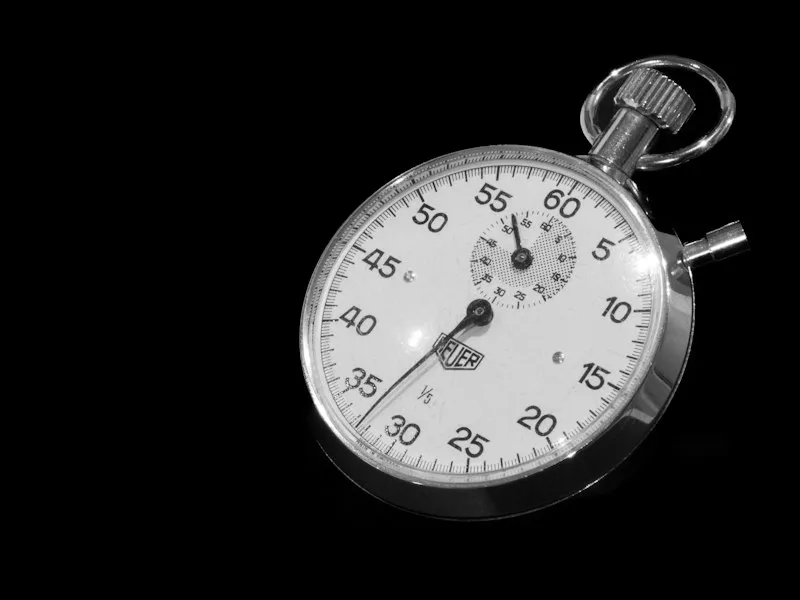
Another action is to commit to working on the task for just a few minutes - say, five - with no expectation of finishing. The research on task aversiveness shows that the negative emotional reaction to a task is what drives delay. By lowering the barrier to starting, you can engage with the task before the feeling of dread builds up.
This approach is supported indirectly by the finding that people tend to complete pleasant tasks more promptly and delay unpleasant ones. Short-timer work is a common behavioral strategy for overcoming avoidance, though the studies here do not test it directly. It can help you get past the initial resistance and see that the task may be less unpleasant than anticipated.
Take it further
Pause and Notice
What is the earliest moment when you notice the sense of dread - before you even open the task?
Talk it out
Talking About It
Have you ever found that starting a task took more energy than actually doing it?
References
Sources & evidence
4 research papers informed this article. The numbers beside each section link here, and each DOI opens the original paper.
Source 1:The procrastination of everyday life
Milgram, Norman A., Sroloff, Barry, Rosenbaum, Michael (1988). The procrastination of everyday life. DOI 10.1016/0092-6566(88)90015-3
Source 2:Multidimensional Models of Perfectionism and Procrastination: Seeking Determinants of Both
P. Sederlund, Allison, R. Burns, Lawrence, Rogers, William (2020). Multidimensional Models of Perfectionism and Procrastination: Seeking Determinants of Both. DOI 10.3390/ijerph17145099
articleSource 3:To do it now or later: The cognitive mechanisms and neural substrates underlying procrastination
Zhang, Shunmin, Liu, Peiwei, Feng, Tingyong (2019). To do it now or later: The cognitive mechanisms and neural substrates underlying procrastination. DOI 10.1002/wcs.1492
articleSource 4:Procrastination on social media: predictors of types, triggers and acceptance of countermeasures
Alblwi, Abdulaziz, McAlaney, John, Al Thani, Dena Ahmed S., Phalp, Keith, et., al. (2021). Procrastination on social media: predictors of types, triggers and acceptance of countermeasures. DOI 10.1007/s13278-021-00727-1
A place to begin
Make room for your next step.
You do not need to have it all figured out. Bring one real moment to Mneno, notice what matters, and choose one step to try.
Name the moment
Describe what happened in your own words.
Notice what matters
Explore the needs and reactions beneath it.
Choose one step
Find a small action you can try next.
Start at your own pace