
Category
Communication
Expressing needs and listening across differences.
- In this topic
- 12 articles
- Ready to read
- 12 articles published
- References
- 22 research papers behind it
Reading path
In this category
Keep one idea that fits, then try a small next step in Mneno.
 TechniquesPractices to Improve Team Task AlignmentCompare three evidence-based practices to reduce misalignment on tasks: aligning task conflict with workflows, building team-oriented mental models, and3 min read
- TechniquesWhy Your Team Feels Off After a ConflictExplore practices to understand why conflict can linger in a team, with insights on trust dynamics and communication.3 min read
 TechniquesNoticing and Responding to Social CuesExplore practices that may help you notice social cues in conversations, based on awareness of context, internal sensations, and attention allocation.3 min read
 DecisionWhy Does My Group Feel Less Trusting After a Disagreement?When a disagreement leaves your group less trusting, you can choose a low, moderate, or high-effort strategy. Each option has real trade-offs.3 min read
 DecisionWhy Do I Often Not Realize How I Come Across to Others?Explore why you might miss social cues about how others perceive you and discover three strategies for gaining clearer feedback in real time.3 min read
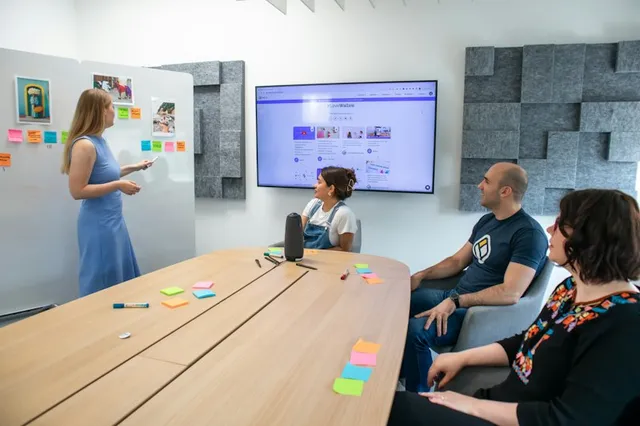 DecisionWhy Does My Team Keep Arguing About the Best Way to Do Things?Team arguments about methods often stem from a lack of shared understanding. Choose a strategy that fits your team's current capacity.3 min read
 MomentsMy team doesn't really understand each otherIf your team feels disconnected or conflict escalates quickly, shared mental models can help. Learn the mechanism and a rapid tool to build alignment.3 min read
 MomentsWhy does my team's mood and trust change so much over time?If your team's mood and trust shift often, it's normal. Task disagreements can become personal when trust is low, creating a cycle of conflict.3 min read
 MomentsMissing what people really mean in conversationsIf you often miss nonverbal cues and deeper meaning in conversation, this article explains why and offers a short tool to help you tune back in.2 min read
 ExplainerWhat Are Shared Mental Models?Shared mental models are a team's common understanding of tasks and teamwork. They help members coordinate, reduce conflict, and improve performance.5 min read
 ExplainerUnderstanding Contextual AwarenessLearn what contextual awareness means and how it appears in different settings, from classrooms to self-awareness of bodily states.5 min read
 ExplainerEmergent States in TeamsEmergent states are dynamic team properties like trust and conflict that arise from interactions and shape team effectiveness.5 min read
A place to begin
Make room for your next step.
You do not need to have it all figured out. Bring one real moment to Mneno, notice what matters, and choose one step to try.
Name the moment
Describe what happened in your own words.
Notice what matters
Explore the needs and reactions beneath it.
Choose one step
Find a small action you can try next.
Start a private reflection
Start at your own pace