
Practices to Improve Team Task Alignment
Compare three evidence-based practices to reduce misalignment on tasks: aligning task conflict with workflows, building team-oriented mental models, and
The question
Why do my team and I often misalign on tasks?

Overview
Misalignment on tasks often arises because team members hold different understandings of goals, roles, and workflows, or because disagreements interact with how work actually flows. Research on team conflict networks and shared mental models points to three distinct practices that can help you reduce these gaps. The evidence does not establish one approach as best for every team.
The practices below compare ways to align task disagreements with work dependencies, build shared understanding about teamwork before diving into task details, and adjust how your team shares task-related information. Each has different upfront effort and support needs. Consider what fits your team's current coordination demands and interpersonal dynamics.
Align Task Conflict with Workflow
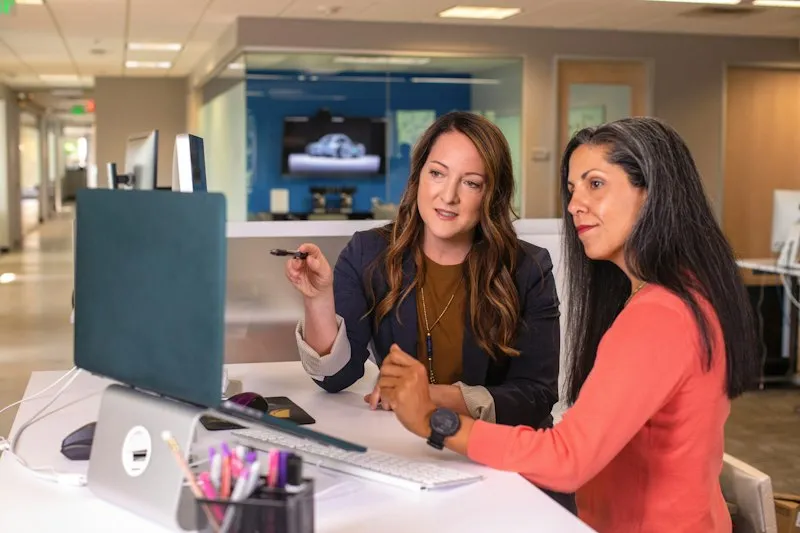
When a disagreement about a task occurs, check how it relates to who depends on whom for inputs. If the person raising the concern supplies work to the person they disagree with, the conflict tends to spark constructive discussion. If the direction is reversed or unrelated, the same disagreement may stall progress. Try mapping your team's actual task flow and encouraging people to raise concerns about work they provide, not just work they receive.
Research on team conflict networks proposes that task conflict is most beneficial when it follows the direction of designed taskflow ties - the person raising the issue is the one providing input to the recipient. When misaligned, the conflict is less productive because the recipient must initiate change. This framework comes from theoretical propositions, not experimental tests, so its practical effects depend on your team's specific workflow structure.
Build Team-Oriented Mental Models First
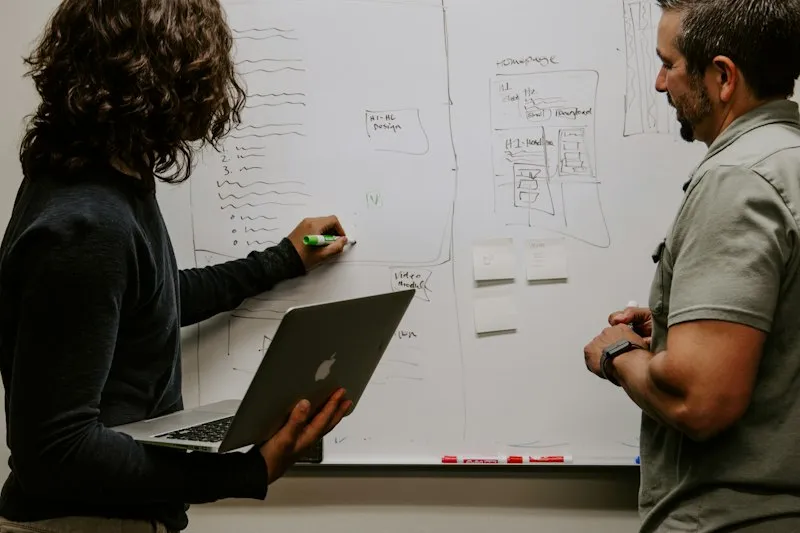
Before aligning on task details, help your team develop a shared understanding of cooperation, roles, and communication norms. This means explicitly discussing how you will work together - who handles what, how decisions are made, and what good collaboration looks like. Starting with team-oriented mental models can reduce conflict and make later task discussions smoother. A facilitator can guide a conversation or a short training session before project work begins.
Studies on shared mental models show that teams with similar understandings of teamwork (team SMMs) tend to experience less relationship conflict. However, task-oriented mental models - shared knowledge of specific task behaviors - were counterintuitively associated with more task, relationship, and process conflict. The proposed explanation is that too much focus on task details can make members rigid or overly attentive to deviations. Prioritizing team-level understanding first is a recommende
Adjust Information Sharing to Task Interdependence
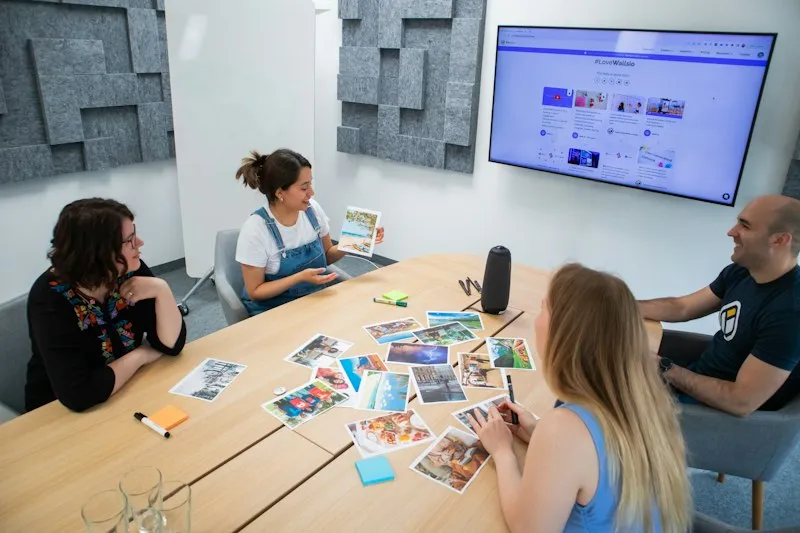
Your team's level of interdependence should guide how you share task-related information. In teams with low interdependence (members work mostly independently), sharing more task updates tends to reduce disagreements. In highly interdependent teams, however, new information can threaten coordination and actually increase task conflict. Before sharing, consider whether the information will help coordination or introduce instability. In high-interdependence settings, share updates that reinforce e
Research distinguishes between low- and high-interdependence groups. In low-interdependence groups, information sharing reduced task conflict. In high-interdependence groups, sharing had both conflict-reducing and conflict-inducing effects, as new details could destabilize tight coordination. This dual effect means that simply sharing more is not a universal fix. The findings come from theoretical models and survey studies, so the specific threshold between helpful and harmful sharing is not pre
Take it further
Your Team's Workflow
Which of your team's current disagreements follow the direction of work dependencies, and which cut across them?
Talk it out
Starting the Conversation
When have you noticed a disagreement about a task actually helped your team move forward?
References
Sources & evidence
4 research papers informed this article. The numbers beside each section link here, and each DOI opens the original paper.
Source 1:A Network Conceptualization of Team Conflict
Park, Semin, Mathieu, John E., Grosser, Travis J. (2020). A Network Conceptualization of Team Conflict. DOI 10.5465/amr.2016.0472
DOI 10.5465/amr.2016.0472articleSource 2:Understanding the relationship between mental models, conflict and conflict asymmetry
Bergiel, Erich B., Gainey, Thomas W., Bergiel, Blaise J. (2015). Understanding the relationship between mental models, conflict and conflict asymmetry. DOI 10.1108/tpm-02-2015-0009
DOI 10.1108/tpm-02-2015-0009articleSource 3:INFORMATION SHARING AND GROUP CONFLICT: GOING BEYOND DECISION MAKING TO UNDERSTAND THE EFFECTS OF INFORMATION SHARING ON GROUP PERFORMANCE
Moye, Neta A., Langfred, Claus W. (2004). INFORMATION SHARING AND GROUP CONFLICT: GOING BEYOND DECISION MAKING TO UNDERSTAND THE EFFECTS OF INFORMATION SHARING ON GROUP PERFORMANCE. DOI 10.1108/eb022919
DOI 10.1108/eb022919articleSource 4:Team mental models, relationship conflict and effectiveness over time
Marques Santos, Catarina, Margarida Passos, Ana (2013). Team mental models, relationship conflict and effectiveness over time. DOI 10.1108/tpm-01-2013-0003
DOI 10.1108/tpm-01-2013-0003article
Next read
Keep reading
 MomentsMy team doesn't really understand each otherIf your team feels disconnected or conflict escalates quickly, shared mental models can help. Learn the mechanism and a rapid tool to build alignment.3 min read
 DecisionWhy Does My Group Feel Less Trusting After a Disagreement?When a disagreement leaves your group less trusting, you can choose a low, moderate, or high-effort strategy. Each option has real trade-offs.3 min read
 ExplainerWhat Are Shared Mental Models?Shared mental models are a team's common understanding of tasks and teamwork. They help members coordinate, reduce conflict, and improve performance.5 min read
 DecisionWhy Does My Team Keep Arguing About the Best Way to Do Things?Team arguments about methods often stem from a lack of shared understanding. Choose a strategy that fits your team's current capacity.3 min read
 DecisionWhy Do I Often Not Realize How I Come Across to Others?Explore why you might miss social cues about how others perceive you and discover three strategies for gaining clearer feedback in real time.3 min read
 How-toRestoring Team Focus Through Information SharingWhen your team lacks clear focus, sharing task-related information can reduce conflict and reestablish shared direction.3 min read