
My team doesn't really understand each other
If your team feels disconnected or conflict escalates quickly, shared mental models can help. Learn the mechanism and a rapid tool to build alignment.
Sound familiar?
A simple disagreement about who does what suddenly feels personal, and you are not sure why.

Overview
If you are reading this because your team keeps talking past each other or small frictions become full-blown arguments - the problem is probably not anyone's personality. What is missing is a shared mental picture of how your team works together. When team members do not share the same understanding of roles, goals, and who is good at what, every normal working disagreement can feel like a personal attack.
The fix is not more talk; it is building a shared mental model of your team. Research on 90 teams shows that when team members have aligned views of team dynamics and each other's strengths, all forms of conflict - relationship, task, and process - drop significantly. You can start creating that alignment in a structured two-minute conversation before the next meeting.
Why small disagreements escalate

When teammates hold different pictures of how the team works, ambiguous situations get interpreted through those mismatched lenses. One person thinks the goal is to finish quickly; another thinks the goal is to explore every option. Neither knows about the other's priority, so each interprets the other's behavior as being difficult or careless. This is how a task disagreement turns into relationship conflict.
Studies show that shared mental models - shared perspectives about team dynamics and interpersonal strengths - reduce all three types of team conflict: relationship, task, and process. The effect is substantial: for each unit of increase in team mental model similarity, relationship conflict decreases by over 0.4 standardized units. The mechanism is simple: when expectations are aligned, members attribute less ill intent to each other and fewer disagreements escalate into personal fights.
The 2-Minute Alignment Tool
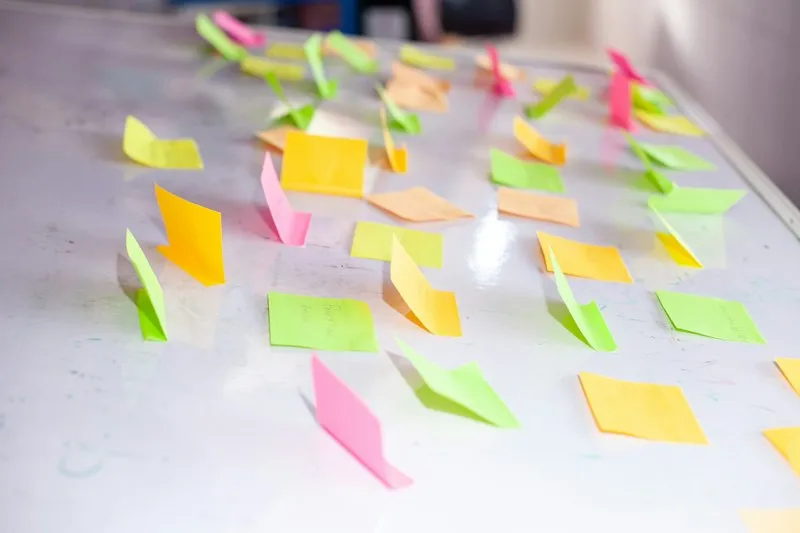
You can create a shared mental model in about two minutes before your next team meeting. Gather everyone and ask each person to briefly answer three prompts: (1) What is the single most important goal of this project? (2) What is your primary role in reaching it? (3) What is one thing you are unusually good at that could help others? Have everyone write their answers on a shared screen or sticky notes.
Then quickly compare. Invite people to note where answers overlap and where they differ. The goal is not to debate; it is to make hidden assumptions visible. When team members see that someone else prioritizes a different aspect of the work, they stop taking the difference personally. Research indicates that establishing shared mental model similarity early - at the beginning of a team's lifecycle - reduces relationship conflict and improves overall team effectiveness. This exercise does exactly that: it builds a shared picture of team interaction processes before misunderstandings have a chance to form.
Where are you
What feels closest to your situation right now?
Pick the situation that feels closest and bring it into a private reflection in Mneno.
Not sure? Start here:Help me understand this situation and decide on one constructive next step.
- One person always interrupts or dismisses others' ideasHelp me understand the dynamic with that person and find a way to bring our views closer together.
- Nobody in the team really knows what each person is good atHelp me find a quick way to get everyone's strengths on the table without making it awkward.
- Small disagreements about the work turn into personal arguments quicklyHelp me identify the moment when a task discussion becomes personal and what to say to redirect it.
References
Sources & evidence
3 research papers informed this article. The numbers beside each section link here, and each DOI opens the original paper.
Source 1:Understanding the relationship between mental models, conflict and conflict asymmetry
Bergiel, Erich B., Gainey, Thomas W., Bergiel, Blaise J. (2015). Understanding the relationship between mental models, conflict and conflict asymmetry. DOI 10.1108/tpm-02-2015-0009
articleSource 2:Team mental models, relationship conflict and effectiveness over time
Marques Santos, Catarina, Margarida Passos, Ana (2013). Team mental models, relationship conflict and effectiveness over time. DOI 10.1108/tpm-01-2013-0003
articleSource 3:The cognitive underpinnings of effective teamwork: A meta-analysis.
DeChurch, Leslie A., Mesmer-Magnus, Jessica R. (2010). The cognitive underpinnings of effective teamwork: A meta-analysis.. DOI 10.1037/a0017328
article
Keep reading
 DecisionWhy Does My Group Feel Less Trusting After a Disagreement?When a disagreement leaves your group less trusting, you can choose a low, moderate, or high-effort strategy. Each option has real trade-offs.3 min read
 TechniquesPractices to Improve Team Task AlignmentCompare three evidence-based practices to reduce misalignment on tasks: aligning task conflict with workflows, building team-oriented mental models, and3 min read
 ExplainerWhat Are Shared Mental Models?Shared mental models are a team's common understanding of tasks and teamwork. They help members coordinate, reduce conflict, and improve performance.5 min read
- TechniquesWhy Your Team Feels Off After a ConflictExplore practices to understand why conflict can linger in a team, with insights on trust dynamics and communication.3 min read
 TechniquesNoticing and Responding to Social CuesExplore practices that may help you notice social cues in conversations, based on awareness of context, internal sensations, and attention allocation.3 min read
 DecisionWhy Can't My Team and I Agree on the Same Mental Picture?Understand why your team lacks a shared mental picture and choose a strategy to align understanding based on your current capacity.3 min read