
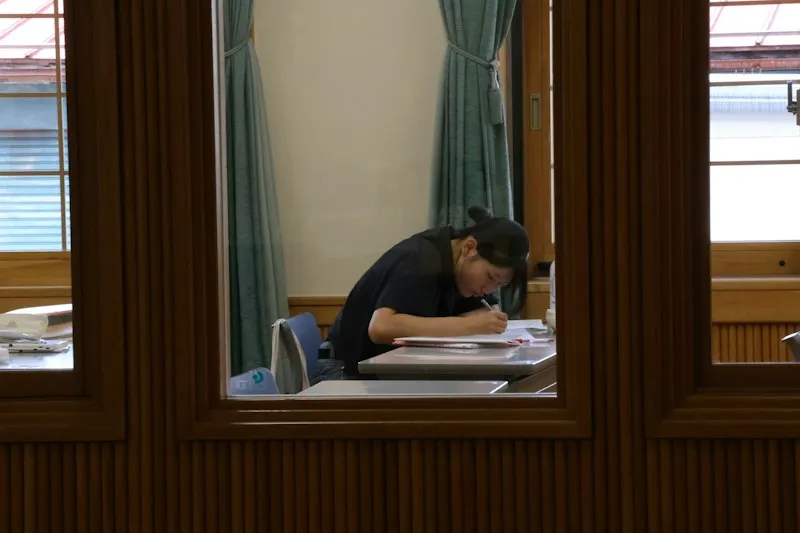
Academic procrastination-unnecessarily delaying academic tasks despite knowing the delay will bring negative consequences-is linked to a range of academic and cognitive effects. Research shows that students who procrastinate tend to use fewer effective learning strategies and achieve lower grades than their non-procrastinating peers.
The effects extend beyond grades: procrastination is associated with weaker self-regulated learning, such as poorer time management and environmental structuring, and with higher test anxiety. Understanding these effects can help students recognize the broader costs of putting off academic work.
How Procrastination Affects Academic Performance
Academic procrastination is consistently associated with lower academic performance. For example, one study of university students found that motivational regulation strategies-techniques students use to sustain their motivation-were linked to lower procrastination, and that lower procrastination was in turn associated with a higher grade point average. The study used mediation analysis to show that procrastination acted as an intermediary in the relationship between motivational regulation and grades.
This pattern holds in online learning contexts as well. Academic procrastination is expected to undermine self-regulated learning approaches such as task strategy, mood adjustment, self-evaluation, environmental structure, time management, and help-seeking, all of which support better course outcomes. Although findings are not always consistent across studies, self-regulated learning is generally tied to stronger academic performance, and procrastination weakens these beneficial behaviors.
Take it further
Opening a Conversation
What has your experience been with putting off schoolwork and how it affects your learning or grades?
Reflect in Mneno
Effects on Learning Strategy Use

Procrastinators use fewer cognitive, metacognitive, and organizational learning strategies compared to non-procrastinators. One study distinguished between active and passive procrastinators and found that both groups showed lower use of these strategies than students who did not procrastinate. This deficit in strategy use likely contributes to the poorer academic outcomes observed in procrastinators.
Non-procrastinators, by contrast, demonstrate stronger intrinsic goal orientation, task value, elaboration, organization, metacognitive self-regulation, time and environment management, and effort regulation. They also show higher help-seeking tendencies and lower test anxiety. These patterns suggest that procrastination is not simply a delay in task completion but also a broader disengagement from disciplined, effortful learning approaches.
Cognitive and Affective Well-Being Implications

Academic procrastination affects not only grades and strategy use but also cognitive and affective well-being. Motivational regulation strategies are intended to help students control and strengthen their motivation, and research has examined whether these strategies relate to better affective and cognitive well-being in university students. Procrastination is framed as a maladaptive form of self-regulated learning that disrupts this process.
The cognitive effects include reduced self-regulation and a tendency to rely on less systematic approaches to learning. Affectively, procrastinators report higher test anxiety and may experience increased stress as deadlines approach. In online learning contexts, procrastination can weaken learning behaviors by increasing pressure to finish courses, further undermining well-being.
What These Effects Mean for Students
For students, academic procrastination is not a harmless habit-it is linked to a cascade of effects that include weaker learning strategy use, lower grades, and poorer cognitive and affective well-being. Recognizing these effects can be a first step toward understanding the importance of managing procrastination.
However, it is important to note that research identifies associations and mediating relationships, not definitive causes. While procrastination is correlated with these negative outcomes, individual students may experience different patterns. Current evidence does not establish that reducing procrastination alone will produce these benefits, but it suggests that addressing procrastination may support better academic engagement.
FAQ
Common questions
Each answer is linked to its research.
What is the difference between active and passive procrastination in terms of academic effects?
Active and passive procrastinators both use fewer learning strategies than non-procrastinators. The research distinguishes them by their underlying behavior patterns, but the academic effects-lower use of cognitive, metacognitive, and organizational strategies-appear similar.
SourcesS3All sources
Does motivational regulation help reduce procrastination?
Research shows that motivational regulation strategies are generally linked to lower academic procrastination. In one study, this relationship was found in university students, and lower procrastination was in turn associated with higher grade point average. However, these findings are correlational and do not prove that using motivational regulation directly causes reduced procrastination.
SourcesS1S4S11All sources
How does procrastination affect self-regulated learning?
Academic procrastination is expected to negatively affect six approaches to self-regulated learning: task strategy, mood adjustment, self-evaluation, environmental structure, time management, and help-seeking. This undermines the learning behaviors that support better academic outcomes in online and traditional settings.
SourcesS5S6All sources
Next read
Keep reading
Nearby guides picked by the editors of this article.
 TechniquesThree Ways to Use Classroom Support More EffectivelyLearn three practices from mentoring research to help you engage with available support in school or university settings.3 min read
 ExplainerWhat Is the Academic Cost of Delay?Academic procrastination has real costs: lower work quality, worse grades, and more stress later in the term. Here's how delay affects students.4 min read
 ExplainerAcademic CyberslackingAcademic cyberslacking is using digital media for non-academic purposes during class or study time, which can reduce learning and focus.4 min read
 TechniquesAcademic Help Outside the Classroom: Comparing ApproachesCompare peer mentoring, mentor utilization, and help-seeking strategies to find academic support outside the classroom.2 min read
 TechniquesWhy You Might Doubt Your Ability to Succeed in Your StudiesDoubt in your studies may reflect task-specific confidence gaps, not a fixed limit. Compare practical ways to examine and build academic self-efficacy.4 min read
 TechniquesWhy Do I Always Postpone Studying?Explore why studying often gets delayed until the last minute, examining motivation and perfectionism as key factors, and compare approaches to understand your3 min read
References
Sources & evidence
4 research papers informed this article. The numbers beside each section link here, and each DOI opens the original paper.
Source 1:Effects of using motivational regulation strategies on students' academic procrastination, academic performance, and well-being
Grunschel, Carola, Schwinger, Malte, Steinmayr, Ricarda, Fries, Stefan (2016). Effects of using motivational regulation strategies on students' academic procrastination, academic performance, and well-being. DOI 10.1016/j.lindif.2016.06.008
Source 2:Why college students procrastinate in online courses: A self-regulated learning perspective
Cheng, Sheng-Lun, Xie, Kui (2021). Why college students procrastinate in online courses: A self-regulated learning perspective. DOI 10.1016/j.iheduc.2021.100807
Source 3:Examining ‘active’ procrastination from a self-regulated learning perspective
Cao, Li (2012). Examining ‘active’ procrastination from a self-regulated learning perspective. DOI 10.1080/01443410.2012.663722
Source 4:Procrastination predicts online self-regulated learning and online learning ineffectiveness during the coronavirus lockdown
Hong, Jon-Chao, Lee, Yi-Fang, Ye, Jian-Hong (2021). Procrastination predicts online self-regulated learning and online learning ineffectiveness during the coronavirus lockdown. DOI 10.1016/j.paid.2021.110673