
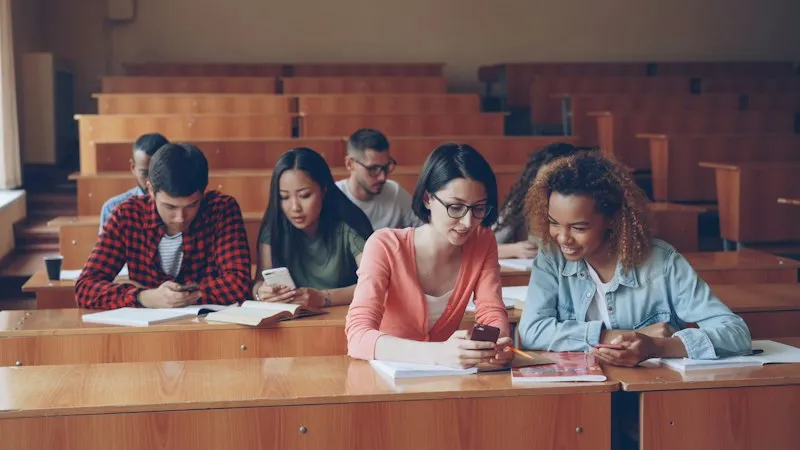
Academic cyberslacking refers to using digital media for non-academic purposes during class or study time, such as browsing unrelated websites, checking social media, or messaging. This behavior can reduce educational performance and may damage cognitive and retention abilities, particularly when it interferes with focused learning.
Unlike workplace cyberslacking, which is defined as employee internet use for non-work tasks during work hours, academic cyberslacking specifically occurs in educational settings. It is linked to distractions from phones, laptops, and other online systems that compete with planned academic work, making it harder for students to maintain task focus.
How Cyberslacking Affects Learning Outcomes

Academic cyberslacking can impair learning by reducing the quality of educational engagement. When students use digital media for off-task purposes during class, they may miss key information, struggle to retain concepts, and perform worse on assessments. This problem is particularly pronounced when unrestricted internet access on campus provides constant opportunities for distraction.
Research during the coronavirus lockdown found that higher academic procrastination-a related behavior-is associated with lower self-regulated online learning, meaning students were less likely to use effective strategies like time management, task planning, and self-evaluation. This, in turn, was linked to greater perceived ineffectiveness of online learning. The full mediation model suggests that cyberslacking and procrastination harm learning indirectly by undermining students' ability to regulate their own study processes.
Take it further
Starting a Conversation
Have you ever noticed digital distractions affecting your focus during online classes or study sessions?
Reflect in Mneno
Individual Differences in Distraction Resistance
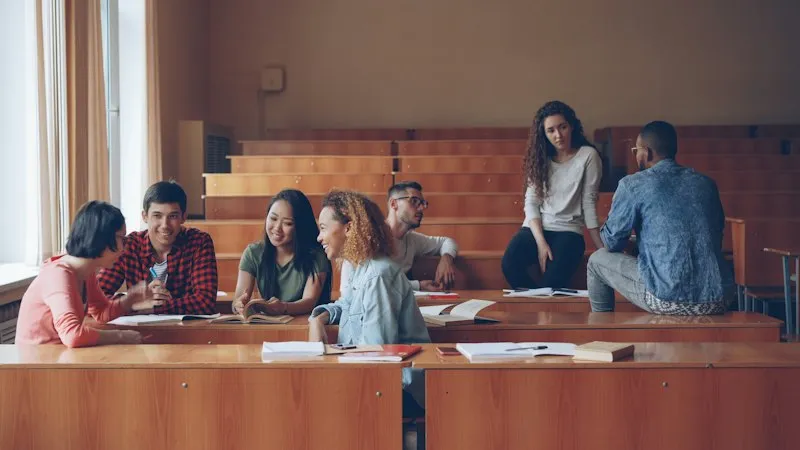
Not all students are equally vulnerable to academic cyberslacking. Individual differences in personality and self-regulation play a major role. For example, people with a high "locomotion" tendency-a focus on moving forward and completing tasks-tend to resist distractions better and maintain task focus, which is linked to lower academic procrastination. In contrast, those high in "assessment" tendency, which involves checking and rechecking options, may be more prone to procrastination due to perfectionism or fear of making mistakes.
The ability to resist distraction and temptation mediates the link between locomotion and lower procrastination, suggesting that some individuals are naturally more skilled at avoiding cyberslacking. However, blocking workplace distractions can reduce interruption problems, but the benefits vary by person. This implies that strategies to reduce cyberslacking may need to be tailored, as one-size-fits-all approaches may not work equally well for everyone.
Strategies to Reduce Academic Cyberslacking
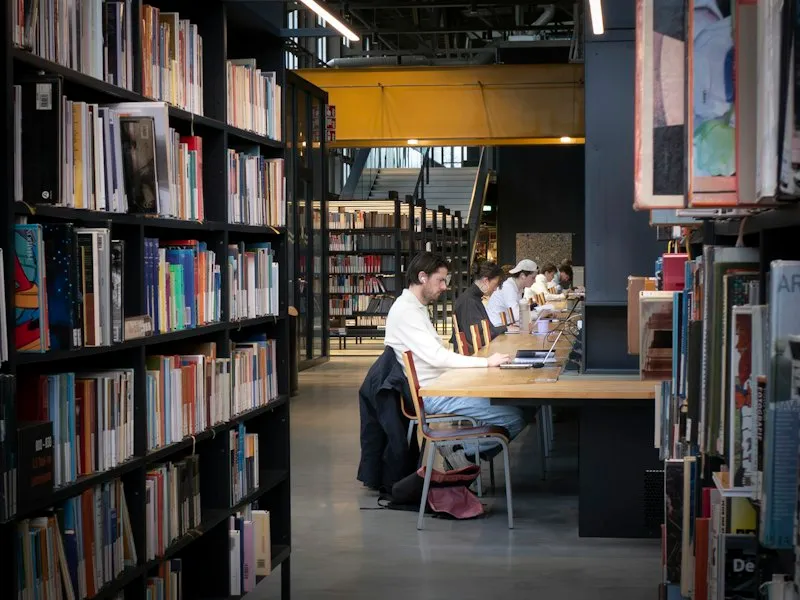
Creating digital boundaries is a key strategy for reducing cyberslacking. Unrestricted internet access on campus can intensify procrastination, so structural changes such as wifi-free zones in classrooms, device-off rules during lectures, and limits on leisure internet use can help minimize distractions. Students can also actively develop the skill of delaying distractions until planned work is completed, treating temptations as something to manage rather than eliminate.
Environmental management also includes reducing peer-related distractions. Peers can contribute to procrastination by interrupting task focus or through weak social integration. Structuring study environments so that peer contact supports rather than disrupts focus-such as studying with others committed to the same task-may help reduce delay. While individual differences matter, consistent environmental cues can support better focus and lower cyberslacking behavior.
Sources
FAQ
Common questions
Each answer is linked to its research.
Is academic cyberslacking the same as procrastination?
Academic cyberslacking is a specific form of procrastination that involves using digital media for non-academic purposes during study or class time. While general academic procrastination can include other delaying behaviors, such as avoiding assignments or studying, cyberslacking focuses on digital distractions. Research shows that both are related: higher academic procrastination is associated with lower self-regulated online learning, which can increase the likelihood of cyberslacking. However, not all procrastination is digital, and not all digital use during study time is necessarily procrastination-it becomes cyberslacking when it distracts from the primary academic task.
SourcesS1S9S10All sources
Can blocking digital distractions fully prevent cyberslacking?
Blocking digital distractions can help reduce cyberslacking, but it may not be fully effective for everyone because individual differences matter. Research on workplace distraction blocking found that people vary in how much they benefit from such strategies. Similarly, in academic settings, while techniques like wifi-free zones or device-off rules can limit opportunities for cyberslacking, students' personal tendencies-such as their ability to focus and resist temptations-also play a role. For instance, individuals high in locomotion (a focus on task completion) naturally resist distractions better, whereas those high in assessment may still struggle despite environmental controls. Therefore, a combination of environmental changes and personal skill development is likely more effective than blocking alone.
SourcesS4S7S11All sources
How does peer behavior influence academic cyberslacking?
Peers can contribute to cyberslacking through distraction and weak social integration. When students study together, peers may interrupt task focus by engaging in off-task digital activities, such as checking social media or chatting, which can tempt others to follow. However, managing the study environment so that peer contact supports rather than interrupts task focus-for example, by agreeing on device-free study periods or working with peers committed to the same goal-may help reduce cyberslacking. This suggests that the social context is an important factor in whether digital distractions occur during academic time.
SourcesS5S11All sources
Next read
Keep reading
Nearby guides picked by the editors of this article.
 TechniquesThree Ways to Use Classroom Support More EffectivelyLearn three practices from mentoring research to help you engage with available support in school or university settings.3 min read
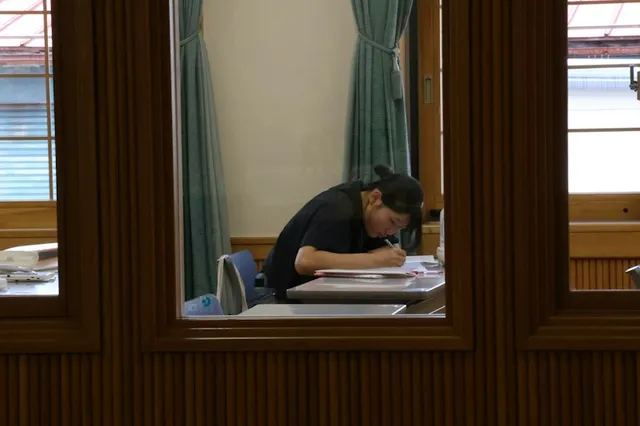 ExplainerAcademic and Cognitive Effects of Academic ProcrastinationAcademic procrastination undermines learning strategies and academic performance, with effects on cognitive and affective well-being.4 min read
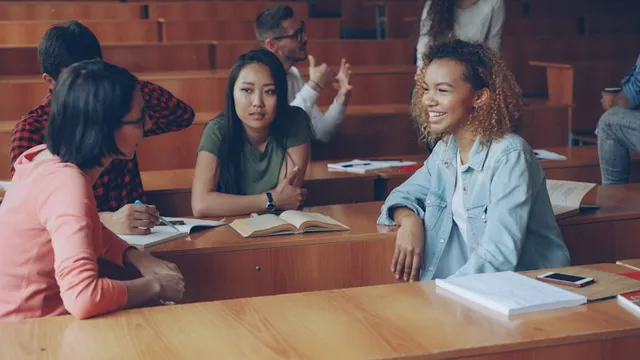 TechniquesAcademic Help Outside the Classroom: Comparing ApproachesCompare peer mentoring, mentor utilization, and help-seeking strategies to find academic support outside the classroom.2 min read
 TechniquesWhy You Might Doubt Your Ability to Succeed in Your StudiesDoubt in your studies may reflect task-specific confidence gaps, not a fixed limit. Compare practical ways to examine and build academic self-efficacy.4 min read
- TechniquesComparing Practices to Stay Focused While StudyingCompare three evidence-based practices for managing distraction while studying: stimulus control, self-regulation training, and emotion regulation skills.3 min read
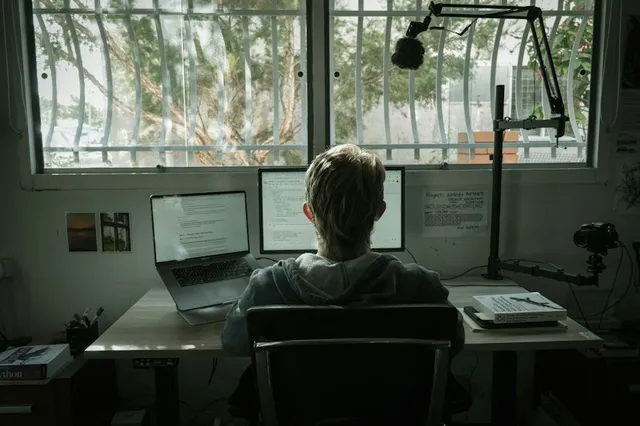 TechniquesWhy Do I Always Postpone Studying?Explore why studying often gets delayed until the last minute, examining motivation and perfectionism as key factors, and compare approaches to understand your3 min read
References
Sources & evidence
4 research papers informed this article. The numbers beside each section link here, and each DOI opens the original paper.
Source 1:Procrastination on social media: predictors of types, triggers and acceptance of countermeasures
Alblwi, Abdulaziz, McAlaney, John, Al Thani, Dena Ahmed S., Phalp, Keith, et., al. (2021). Procrastination on social media: predictors of types, triggers and acceptance of countermeasures. DOI 10.1007/s13278-021-00727-1
Source 2:How Study Environments Foster Academic Procrastination: Overview and Recommendations
Svartdal, Frode, Dahl, Tove I., Gamst-Klaussen, Thor, Koppenborg, Markus, et., al. (2020). How Study Environments Foster Academic Procrastination: Overview and Recommendations. DOI 10.3389/fpsyg.2020.540910
Source 3:On the psychology of time in action: Regulatory mode orientations and procrastination.
Pierro, Antonio, Giacomantonio, Mauro, Pica, Gennaro, Kruglanski, Arie W., et., al. (2011). On the psychology of time in action: Regulatory mode orientations and procrastination.. DOI 10.1037/a0025943
articleSource 4:Procrastination predicts online self-regulated learning and online learning ineffectiveness during the coronavirus lockdown
Hong, Jon-Chao, Lee, Yi-Fang, Ye, Jian-Hong (2021). Procrastination predicts online self-regulated learning and online learning ineffectiveness during the coronavirus lockdown. DOI 10.1016/j.paid.2021.110673