

締切を守る能力は、先延ばしを克服する強い指標です。積極的先延ばしに関する研究では、この能力は従来の先延ばし尺度の逆の補完であり、つまり締切を守れる人は受動的に先延ばしをしない傾向があります。
このスキルは、積極的先延ばしに提案されている4つの特徴の一つであり、プレッシャーへの選好、意図的な決定、結果への満足と並んでいます。研究では、学業達成と一貫して関連していることが示されていますが、その効果は他の要因によって説明される可能性があります。



FAQ
よくある質問
各回答はその根拠となる研究にリンクしています。
積極的先延ばしと受動的先延ばしの違いは何ですか?
自己効力感は、なぜ人々が先延ばしをするのか説明できますか?
次に読むもの
続きを読む
この記事の編集者が選んだ、近いテーマのガイドです。
 モーメントなぜ大事なタスクをぎりぎりまで先延ばしにしてしまうのか?今まさにタスクを先延ばしにしているなら、それは怠けではありません。これは不安を避けようとしているのです。シンプルな2分間スタートで、そのサイクルを断ち切りましょう。2分で読める
 決断タスクを遅らせることの実際のリスクとは?先延ばしのトレードオフを探る:学業リスク、時間的プレッシャー、そして現在のキャパシティに基づいてどのように対応を選ぶか。4分で読める
 手順先延ばしが学校の課題に与える影響を測定する方法Procrastination Assessment Scale-Students(PASS)を使って、学業課題をどの程度先延ばしにするか、またそれがどの程度問題となっているかを評価します。4分で読める
 テクニック他の人より先延ばしにしてしまう理由を理解するための技術比較自分がなぜ他の人より先延ばしをしてしまうのか、特に女性としてその傾向があるのかを考察するための、異なる実践方法を探ります。性別が自己調整戦略にどのように関連するかを考慮します。3分で読める
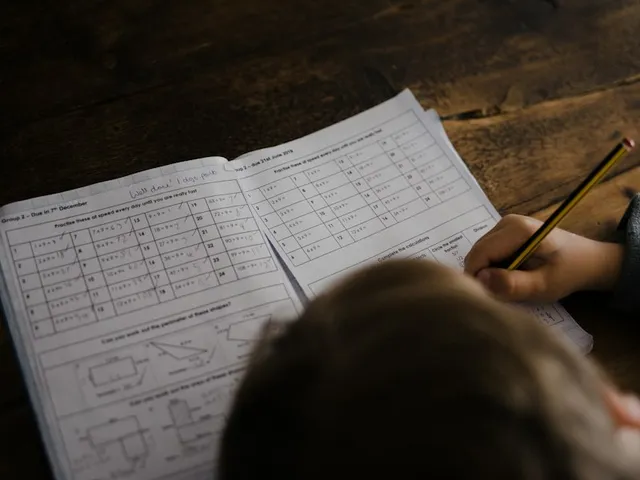 テクニック結果がわかっていても数学の宿題を避けてしまう理由を理解するこの記事では、後悔するとわかっていても数学の宿題を避けてしまう理由を、気分修復と短期的な感情調節に焦点を当てて探ります。3分で読める
 テクニックフォロースルーを妨げる疑念の理解自己効力感と自己調整に関する研究に基づいて、目標へのフォロースルーに関する自己疑念に対処するためのテクニックを探ります。3分で読める
参考文献
出典とエビデンス
4 件の研究論文がこの記事のもとになりました。各セクションの番号はここにリンクし、各 DOI から原論文を開けます。
出典 1:Purposeful delay and academic achievement. A critical review of the Active Procrastination Scale
Pinxten, Maarten, De Laet, Tinne, Van Soom, Carolien, Peeters, Christine, et., al. (2019). Purposeful delay and academic achievement. A critical review of the Active Procrastination Scale. DOI 10.1016/j.lindif.2019.04.010
出典 2:The role of personality traits and need for cognition in active procrastination
Zhou, Mingming (2019). The role of personality traits and need for cognition in active procrastination. DOI 10.1016/j.actpsy.2019.102883
出典 3:Examining ‘active’ procrastination from a self-regulated learning perspective
Cao, Li (2012). Examining ‘active’ procrastination from a self-regulated learning perspective. DOI 10.1080/01443410.2012.663722
出典 4:Reconsidering active procrastination: Relations to motivation and achievement in college anatomy
Hensley, Lauren C. (2014). Reconsidering active procrastination: Relations to motivation and achievement in college anatomy. DOI 10.1016/j.lindif.2014.10.012