
Calming Anxious Thoughts at Night
Compare practical techniques for calming anxious thoughts at night, including progressive muscle relaxation, breathing and mindfulness, and thought labeling.
The question
How can I calm my anxious thoughts at night?
Overview
When anxious thoughts keep you awake at night, several techniques may help calm your mind. The practices described here-progressive muscle relaxation, breathing relaxation and mindfulness, and viewing thoughts as just thoughts-offer different approaches to reducing nighttime anxiety, but the evidence does not show that one works for everyone.
Each technique has been studied in various contexts, and they can be tried individually or combined. The key is to find an approach that fits your situation and that you can practice consistently.
Progressive Muscle Relaxation
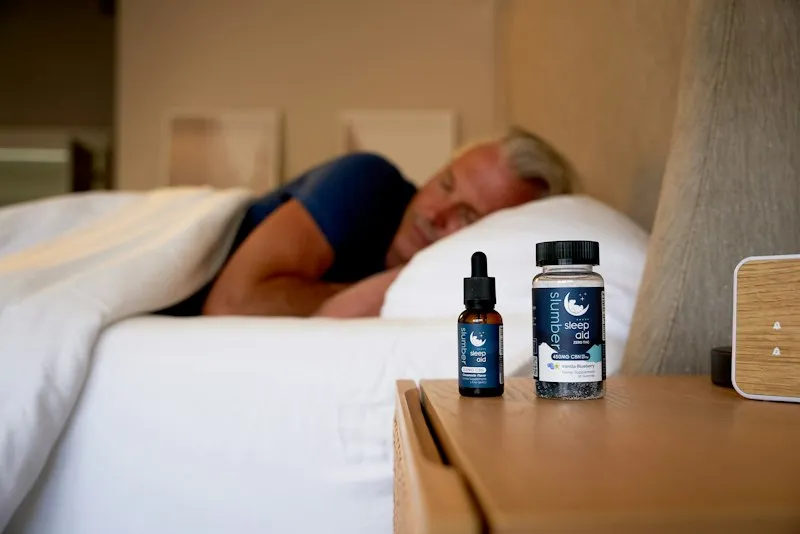
Progressive muscle relaxation (PMR) involves tensing and then releasing each major muscle group in your body, one at a time, while focusing on the contrast between tension and relaxation. You could try this lying in bed, gradually working through your feet, legs, abdomen, arms, and face, spending a few seconds on each group before letting go.
Research shows PMR can be effective for sleep disturbance. In one clinical trial of 30 patients with chronic insomnia related to cancer, three sessions of PMR training plus usual care led to a significant reduction in the time it took to fall asleep, though pain levels did not improve. However, the studies did not always instruct participants to use PMR specifically before bed.
Breathing Relaxation and Mindfulness
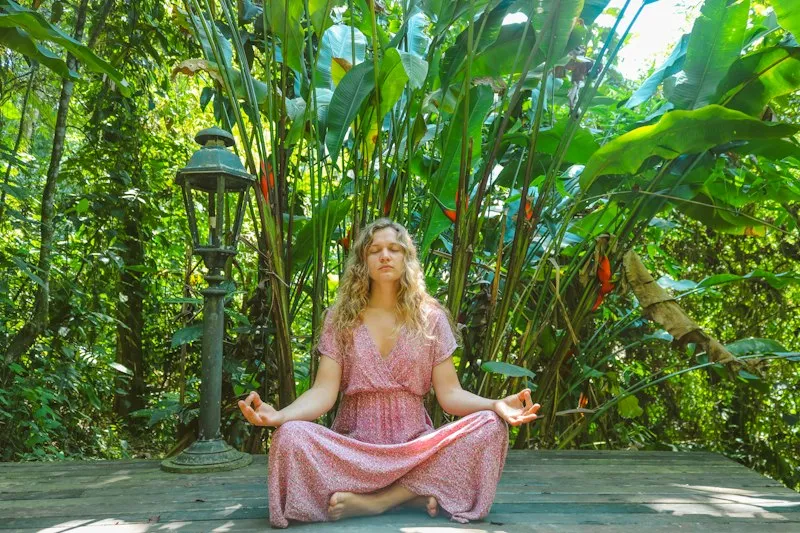
This technique combines slow, focused breathing with a mindful attitude-simply noticing your breath without trying to change it. You might practice by sitting or lying in a quiet space, bringing your attention to each inhale and exhale, and gently returning your focus when your mind wanders. It takes only a few minutes to start.
Nurses used breathing relaxation and mindfulness to reduce stress during the COVID-19 pandemic, with studies suggesting these practices help alleviate stress and promote mental health. However, the evidence comes from a specific group of healthcare workers, so it's unclear how well it translates to others with nighttime anxiety.
Viewing Thoughts as Just Thoughts

Rather than trying to stop or categorize anxious thoughts, this practice involves noticing them as passing mental events that are not necessarily accurate or important. You might silently label a worrying thought as 'just a thought' and let it drift away, without engaging or judging it. This can be done while lying in bed.
This approach is cultivated in mindfulness-based stress reduction and has been used to reduce anxiety. Research indicates that identifying thoughts as 'just' thoughts can create distance, increase a sense of control, and expand response options. However, the studies often involve structured training programs, and it's unclear if the technique works as well when practiced informally alone.
Take it further
What Feels Possible
What might help you feel more at ease when anxious thoughts arise at night?
Talk it out
Exploring Options
Have you found any particular technique helpful when your mind is racing at night?
References
Sources & evidence
4 research papers informed this article. The numbers beside each section link here, and each DOI opens the original paper.
Source 1:How do sleep disturbance and chronic pain inter-relate? Insights from the longitudinal and cognitive-behavioral clinical trials literature
Smith, Michael T, Haythornthwaite, Jennifer A (2004). How do sleep disturbance and chronic pain inter-relate? Insights from the longitudinal and cognitive-behavioral clinical trials literature. DOI 10.1016/s1087-0792(03)00044-3
Source 2:A qualitative study on the psychological experience of caregivers of COVID-19 patients
Sun, Niuniu, Wei, Luoqun, Shi, Suling, Jiao, Dandan, et., al. (2020). A qualitative study on the psychological experience of caregivers of COVID-19 patients. DOI 10.1016/j.ajic.2020.03.018
Source 3:Effectiveness of a meditation-based stress reduction program in the treatment of anxiety disorders
1992. Effectiveness of a meditation-based stress reduction program in the treatment of anxiety disorders. DOI 10.1176/ajp.149.7.936
DOI 10.1176/ajp.149.7.936articleSource 4:Ironic processes of mental control.
Wegner, Daniel M. (1994). Ironic processes of mental control.. DOI 10.1037/0033-295x.101.1.34
Next read
Keep reading
 MomentsWhy do I eat junk food when I'm in a bad mood?When you reach for junk food in a bad mood, it's your brain seeking quick relief. Learn why it happens and how to pause before eating.2 min read
 DecisionWhy Do I Feel Stressed Just Because My Coworker Is Upset?Feeling stressed because a coworker is upset likely stems from emotional contagion. This article presents three strategies for handling this moment.4 min read
 ExplainerAntecedent-Focused vs. Response-Focused Emotion RegulationLearn how emotion regulation differs before and after an emotion arises, with examples involving attention, reappraisal and suppression.3 min read
 How-toRecognizing Low Distress Tolerance When Stress HitsWhen stress hits, learning to notice low distress tolerance can help you pause before reaching for junk food. Simple awareness is a first step.3 min read
 DecisionWhy can't I resist junk food after a hard day?Explore three strategies to manage junk food cravings after a demanding day, each with distinct effort and trade-offs.3 min read
 TechniquesSimple Ways to Reduce Work StressCompare three evidence-based practices to reduce work stress: breathing relaxation, mindfulness meditation, and emotional expression.3 min read