
Why do I eat junk food when I'm in a bad mood?
When you reach for junk food in a bad mood, it's your brain seeking quick relief. Learn why it happens and how to pause before eating.
Sound familiar?
You finish a difficult day and find yourself at the bottom of a bag of chips before you realize what happened.

Overview
If you find yourself reaching for junk food when you are in a bad mood - you are not weak-willed. Your brain is simply choosing the fastest way to feel better. This automatic move toward comfort food happens because negative emotions narrow your focus on what feels good right now, even when it interferes with your long-term goals.
Eating junk food to cope with a bad mood is a form of short-term mood repair. The behavior works in the moment - it temporarily reduces distress - but it does not solve what triggered the bad mood. Recognizing this pattern is the first step toward choosing a different response.
Why the Brain Reaches for Junk Food
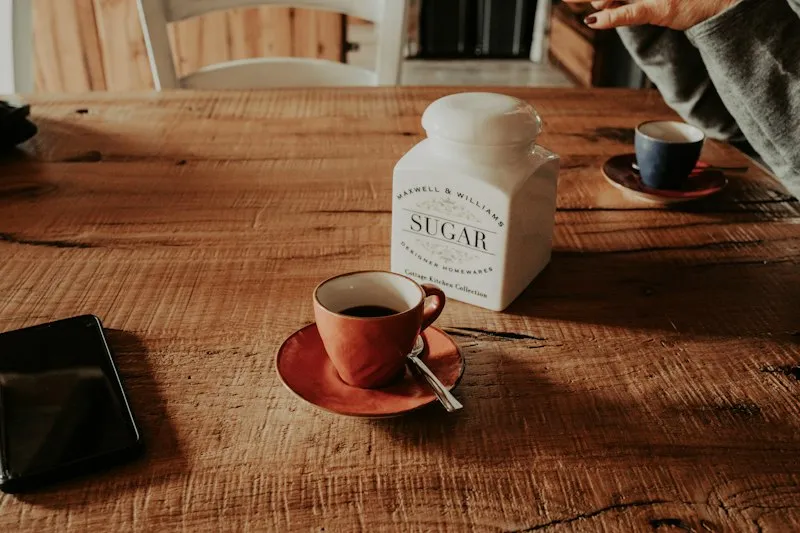
When you feel bad - sad, stressed, frustrated - your brain wants to escape that feeling as quickly as possible. This is known as temporal mood regulation: your attention narrows onto what can bring immediate relief, and longer-term goals like eating well or staying healthy fade into the background. Procrastination and emotional eating share this same mechanism. Both are forms of short-term mood repair that prioritize feeling better now over what is best later.
This is not a personal failing but a universal human response. The pull toward junk food is strongest when the underlying task or feeling is stressful, boring, or isolating. Your brain interprets the snack as a coping strategy because it reliably alters your mood - even if only briefly.
The One-Minute Pause
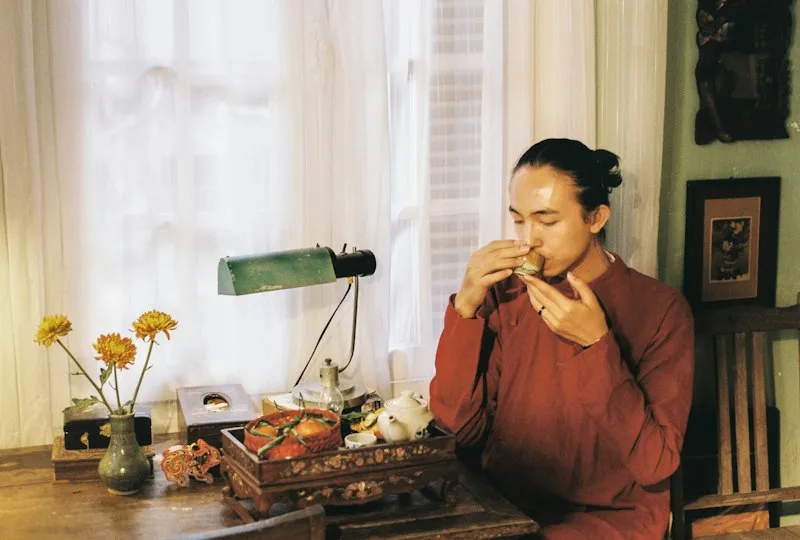
The most effective tool is not willpower - it is a short pause before you eat. The moment you notice your hand reaching for a snack while you feel bad, stop and take three slow breaths. This brief pause interrupts the automatic loop between feeling bad and seeking comfort food.
During those breaths, ask yourself one question: "What am I actually feeling right now?" Name the emotion - disappointment, loneliness, anger - without judging it. Research shows that simply labeling an emotion can reduce its intensity and loosen its grip on your behavior. After naming the feeling, you can choose a different response: drink water, step outside, or text a friend. The goal is not to avoid the food forever, but to create a gap between the feeling and the eating so that you are in control, not the bad mood.
Where are you
What feels closest to your situation right now?
Pick the situation that feels closest and bring it into a private reflection in Mneno.
Not sure? Start here:Help me understand this situation and choose one constructive next step.
- I grab snacks automatically before I even realize I'm upset.Help me notice the moment before I reach for food automatically and find a small pause.
- I know junk food doesn't help, but I can't stop myself.Help me understand why knowing it doesn't work isn't enough to stop, and find one small shift.
- I eat, feel worse, and then beat myself up about it.Help me break the cycle of eating, guilt, and more eating without judging myself.
References
Sources & evidence
3 research papers informed this article. The numbers beside each section link here, and each DOI opens the original paper.
Source 1:Giving in when feeling less good: Procrastination, action control, and social temptations
Sirois, Fuschia M., Giguère, Benjamin (2018). Giving in when feeling less good: Procrastination, action control, and social temptations. DOI 10.1111/bjso.12243
articleSource 2:Procrastination as a Form of Misregulation in the Context of Affect and Self-Regulation
Pietrzak, Anna, Tokarz, Aleksandra (2016). Procrastination as a Form of Misregulation in the Context of Affect and Self-Regulation. DOI 10.1515/sh-2016-0016
articleSource 3:Procrastination on social media: predictors of types, triggers and acceptance of countermeasures
Alblwi, Abdulaziz, McAlaney, John, Al Thani, Dena Ahmed S., Phalp, Keith, et., al. (2021). Procrastination on social media: predictors of types, triggers and acceptance of countermeasures. DOI 10.1007/s13278-021-00727-1
Keep reading
 DecisionWhy You Keep Turning to Food When UpsetUnderstand the short-term mood repair trap and compare three strategies to handle emotional eating, each with different trade-offs.3 min read
 TechniquesMaking Peace with Painful ThoughtsLearn three practices from ACT, DBT, and self-compassion that can help you relate to painful thoughts with acceptance rather than struggle.3 min read
 How-toRecognizing Low Distress Tolerance When Stress HitsWhen stress hits, learning to notice low distress tolerance can help you pause before reaching for junk food. Simple awareness is a first step.3 min read
 ExplainerShort-Term Mood RegulationShort-term mood regulation means acting to feel better right now, often by avoiding discomfort. This can explain procrastination and its trade-offs.6 min read
 DecisionHow to Stop Letting Your Colleague's Bad Mood Affect Your OwnChoose among three strategies to protect your mood from a colleague's negative emotions, based on evidence about emotional contagion and self-control.3 min read
 TechniquesUnderstanding Why You Avoid Math Homework Despite Knowing the ConsequencesThis article explores why you avoid math homework even when you know it will cause later regret, focusing on mood repair and short-term emotion regulation.3 min read