
Why does my team's work always depend on what others do?
If your team's work depends on others, you're experiencing high task interdependence. It can reduce the impact of negative relationships on team cohesion.
Sound familiar?
You finish your part, but the whole project stops when someone else delays their task.

Overview
If your team's work always depends on what others do, you are not in a broken system but in a team with high task interdependence. That means your tasks require inputs, resources, or shared processes from teammates to move forward. Recognizing this structure is the first step to working with it rather than against it.
Rather than trying to eliminate the dependency, focus on how it can protect your team. When interdependence is high, it can buffer team cohesion from the damage of negative relationships. This doesn't remove the frustration, but it explains why interdependence may actually be supporting your team's performance.
Why this happens: high task interdependence makes your work inseparable from others'
Task interdependence is the degree to which team members depend on one another for inputs, resources, or processes to get their work done. In teams with high task interdependence, your tasks are woven together with those of your colleagues. One study found that in such teams, negative relationships no longer harm team cohesion, which in turn protects team performance. The interdependence essentially forces cooperative interaction despite personal friction, turning what feels like a drag into a structural support for the team.
This dynamic is not about personality; it is about how work is designed. The more your tasks rely on others, the more the team's shared goals override individual dislikes. This explains why you may feel stuck waiting on others, yet the team overall still functions: the interdependence is creating a buffer that keeps cohesion intact, even when relationships are strained.
The tool: pull a short 'dependency mapping' with your team
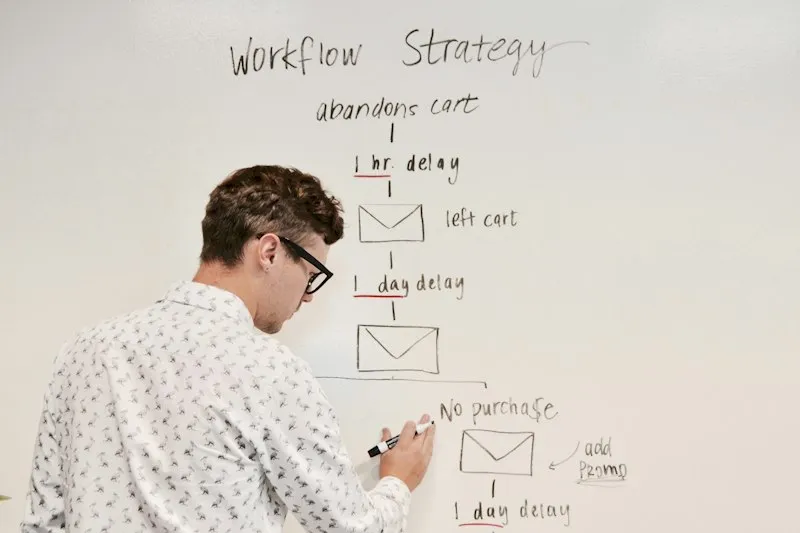
When you feel blocked waiting on others, try a dependency mapping exercise that takes 2 minutes. List your current task and beside it write down exactly what you need from each teammate and when. Then, in a shared channel, ask each person: 'Do you have what you need from me to complete your part by [deadline]?' This shifts the focus from blame to coordination. In global virtual teams, where task interdependence was moderate or high, relationship conflict hurt performance because members could not work around each other. By naming the dependencies openly, you turn vague frustration into concrete requests, which can reduce unproductive conflict.
This tool works because it acknowledges the interdependence rather than pretending it does not exist. It also activates internal monitoring, which reduces the temptation to shirk and keeps everyone on track. You are not asking for less dependence; you are making the dependence visible and actionable.
Where are you
What feels closest to your situation right now?
Pick the situation that feels closest and bring it into a private reflection in Mneno.
Not sure? Start here:Help me understand this situation and choose one constructive next step.
- I am always waiting for someone to finish their part before I can move forward.Help me identify where the bottleneck really is and how to communicate it without blame.
- I have a tense relationship with someone I depend on, and it makes the work harder.Help me figure out how to keep the work moving despite the friction.
- I am not sure if this is normal or if our team structure is wrong.Help me understand whether high task interdependence is a problem or a strength here.
References
Sources & evidence
3 research papers informed this article. The numbers beside each section link here, and each DOI opens the original paper.
Source 1:When do bad apples not spoil the barrel? Negative relationships in teams, team performance, and buffering mechanisms.
de Jong, Jeroen P., Curşeu, Petru L., Leenders, Roger Th. A. J. (2014). When do bad apples not spoil the barrel? Negative relationships in teams, team performance, and buffering mechanisms.. DOI 10.1037/a0036284
articleSource 2:Conflict and Performance in Global Virtual Teams
Kankanhalli, Atreyi, Tan, Bernard C.Y., Wei, Kwok-Kee (2006). Conflict and Performance in Global Virtual Teams. DOI 10.2753/mis0742-1222230309
Source 3:Structural interdependence in teams: An integrative framework and meta-analysis.
Courtright, Stephen H., Thurgood, Gary R., Stewart, Greg L., Pierotti, Abigail J. (2015). Structural interdependence in teams: An integrative framework and meta-analysis.. DOI 10.1037/apl0000027
article
Keep reading
 DecisionWhy Do I Feel Frustrated When I Depend on Teammates to Get My Work Done?Explore three strategies to address frustration from task interdependence, with trade-offs based on your current capacity and team dynamics.2 min read
 TechniquesUnderstanding Why Your Team Struggles to Work TogetherExplore factors like goal orientation, conflict types, and task interdependence that can hinder team collaboration, along with practical approaches.2 min read
 How-toRestoring Team Focus Through Information SharingWhen your team lacks clear focus, sharing task-related information can reduce conflict and reestablish shared direction.3 min read
 ExplainerTask InterdependenceTask interdependence describes how much team members rely on each other to complete their work. Learn what it is, how it affects teams, and how to manage it.5 min read
 TechniquesExamining Why Teammates May Slow You DownExplore practices to improve teamwork efficiency when relying on others feels slow. Evidence-based insights on team processes and structure.3 min read
 MomentsHow do I stop disagreements at work from becoming personal?When a work disagreement starts to feel like a personal attack, see why trust matters and try one separating statement to reset the conversation.3 min read