
Mindfulness meditation for racing thoughts when overwhelmed
When racing thoughts feel overwhelming, mindfulness meditation can help you step back and see thoughts as just thoughts, reducing anxiety and improving focus.
Sound familiar?
Your mind is spinning with thoughts, and you can't seem to slow it down or focus on anything else.
Overview
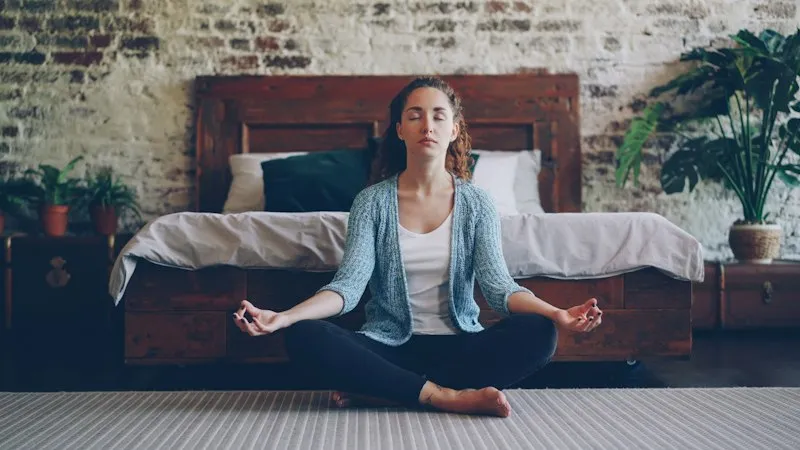
If you feel overwhelmed by racing thoughts that won't stop, try pausing for a minute to notice one breath-in and out-without trying to change or stop the thoughts. This simple act of mindfulness meditation can help you step back from the chaos and find a moment of calm.
Mindfulness meditation is a practice where you pay attention to the present moment with openness, curiosity, and acceptance, refocusing your mind on your external surroundings and inner sensations. It helps you see thoughts as just thoughts-not facts you must react to-which can reduce anxiety and the feeling of being overwhelmed.
Why Racing Thoughts Feel Overwhelming

When you are anxious or stressed, your mind tends to cycle through worries and fears, creating a stream of racing thoughts. This happens because the brain's threat-detection system goes into overdrive, treating every thought as something urgent that needs attention or action. The result is a feeling of being trapped in your own mind, unable to find stillness.
Rather than trying to suppress or analyze these thoughts, mindfulness meditation teaches a different approach: identify thoughts as 'just' thoughts and acknowledge their potential inaccuracy and limits. This shifts the focus from the content of the thoughts to the process of thinking itself, reducing the power thoughts have to overwhelm you.
A One-Minute Mindfulness Meditation

Find a comfortable seat or stand where you can be still for a minute. Take one slow, deep breath in through your nose, and exhale through your mouth. Then let your breath return to its natural rhythm. Bring your attention to the sensation of the breath entering and leaving your nostrils or the rise and fall of your chest. When racing thoughts pull your attention away-and they will-gently acknowledge them as 'thinking' and return your focus to your breath. That's it. Do this for one minute.
This practice cultivates detached observation: you watch your thoughts come and go without getting caught up in them. Over time, this skill can help you feel less overwhelmed by racing thoughts. Studies show that mindfulness meditation consistently improves anxiety, depression, and coping style, and these benefits can be maintained even after the practice ends.
Where are you
What feels closest to your situation right now?
Pick the situation that feels closest and bring it into a private reflection in Mneno.
Not sure? Start here:Help me understand this situation and choose one constructive next step.
- My mind races when I try to focus on a taskHelp me understand why my mind races when I need to focus and find one small step to calm it.
- My thoughts race when I lie down to sleepHelp me explore what is keeping my mind active at bedtime and a gentle way to unwind.
- My thoughts race constantly and I feel stuck in my headHelp me understand this pattern of constant racing thoughts and choose one helpful action.
References
Sources & evidence
3 research papers informed this article. The numbers beside each section link here, and each DOI opens the original paper.
Source 1:Effectiveness of a meditation-based stress reduction program in the treatment of anxiety disorders
1992. Effectiveness of a meditation-based stress reduction program in the treatment of anxiety disorders. DOI 10.1176/ajp.149.7.936
articleSource 2:Mindfulness-based stress reduction and health benefits
Paul Grossman, Ludger Niemann, Stefan Schmidt, Harald Walach (2004). Mindfulness-based stress reduction and health benefits. DOI 10.1016/s0022-3999(03)00573-7
Source 3:Mindfulness Meditation for Chronic Pain: Systematic Review and Meta-analysis
Hilton, Lara, Hempel, Susanne, Ewing, Brett A., Apaydin, Eric, et., al. (2016). Mindfulness Meditation for Chronic Pain: Systematic Review and Meta-analysis. DOI 10.1007/s12160-016-9844-2
Keep reading
 DecisionCan Meditation Really Help with My Anxiety?Learn what research shows about meditation for anxiety and compare three approaches based on effort and your current capacity.3 min read
 TechniquesMaking Peace with Painful ThoughtsLearn three practices from ACT, DBT, and self-compassion that can help you relate to painful thoughts with acceptance rather than struggle.3 min read
 How-toRecognizing Low Distress Tolerance When Stress HitsWhen stress hits, learning to notice low distress tolerance can help you pause before reaching for junk food. Simple awareness is a first step.3 min read
 ExplainerAcceptance and Commitment Approaches ExplainedAcceptance and commitment approaches help you relate differently to uncomfortable thoughts and feelings while taking action toward your goals.7 min read
 DecisionPreventing Depression Relapse: Choosing a Strategy That Fits Your SituationCompare three approaches to preventing depression relapse based on your current capacity: low, moderate, or high immediate effort.3 min read
 MomentsIs there a way to reduce chronic stress without medication?If you feel stuck in chronic stress, you are not alone. Mindfulness-Based Stress Reduction (MBSR) offers a structured, evidence-based way to lower stress3 min read