
Can Meditation Really Help with My Anxiety?
Learn what research shows about meditation for anxiety and compare three approaches based on effort and your current capacity.
The question underneath
Can meditation really help with my anxiety?
Sound familiar?
You are facing a moment of heightened anxiety and are wondering whether starting a meditation practice is worth the effort right now.
First, get oriented
Before you choose
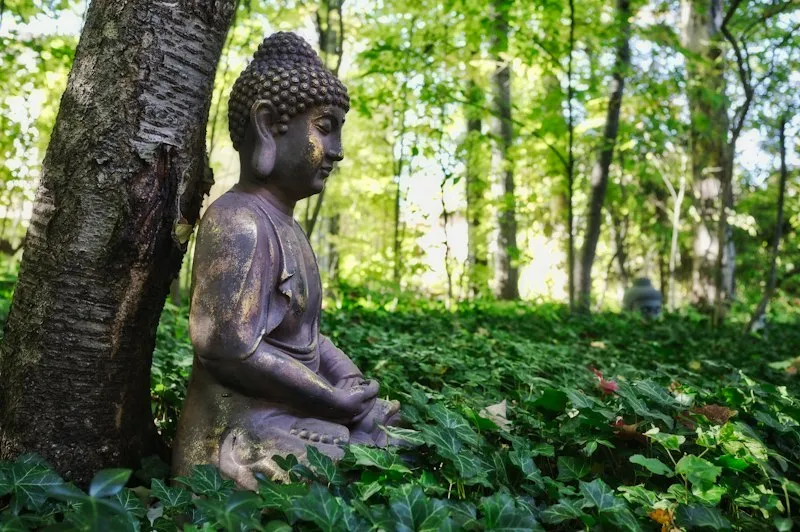
Feeling anxious and unsure whether meditation is worth trying is a common and understandable concern. You are not alone in wondering if this practice can offer real relief.
There is no single right answer; instead, there are trade-offs among approaches that differ in how much immediate effort they require. Your choice depends on your current capacity and what you can realistically take on right now [sourceRef: 1].
Find your starting point
What feels closest to your situation right now?
Choose the situation closest to yours. We’ll take you to that path so you can weigh it without committing to anything.
- See this pathPathI have very little time or energy right now
- See this pathPathI can set aside a few hours each week for a guided program
- See this pathPathI am open to a more immersive, time-intensive option
Still unsure? Ask yourself:
Which of these approaches feels most realistic given your current energy and time?
Compare your paths
Three ways forward, different trade-offs
There is no perfect choice. Skim the trade-offs, then read the path that fits what you can manage today.
Path
Strategy 1: Pause and Observe
Start by simply pausing for a few minutes each day to notice your breath or bodily sensations without trying to change anything. This low-effort approach can fit into your existing routine and does not require any special training or equipment. You might set a gentle reminder on your phone or use a clock to time a short session.
While this light practice may not produce immediate changes, research on meditation-based stress reduction for anxiety suggests that regular, consistent practice can lead to meaningful improvements in anxiety symptoms over weeks to months [sourceRef: 1]. The trade-off is that you might not notice a quick shift, and the evidence comes from structured programs rather than casual practice alone.
SourcesS1Path
Strategy 2: Join a Structured Program
Enroll in an 8-week mindfulness-based stress reduction (MBSR) course, which typically involves weekly group meetings and daily home practice of about 45 minutes. This moderate-effort approach provides structure and guidance, which can be helpful if you prefer a clear framework.
In a study of 22 people with generalized anxiety or panic disorder, completing an MBSR program led to significant reductions in anxiety and depression that were maintained at 3-month and even 3-year follow-ups [sourceRef: 1][sourceRef: 2]. The trade-off is that this requires a substantial time commitment and some emotional discomfort as you confront anxious feelings during practice.
Path
Strategy 3: Intensive Retreat
Consider attending a multi-day or week-long silent meditation retreat where you meditate for many hours each day under the guidance of an instructor. This high-effort approach demands a significant block of time and a willingness to stay with intense experiences.
While no study directly examined retreats for anxiety, the underlying practice of intensive meditation is the same as that taught in MBSR, which has shown benefits for anxiety [sourceRef: 3]. The trade-off is that this is the most demanding option and carries a higher risk of emotional distress during the retreat; you would need to be in a stable enough place to handle that.
SourcesS3
Help in 2 minutes
Your Capacity
What is one small piece of information about your current situation that could help you decide which approach fits best?
Talk through my situation with the AI mentorQuick start in chat
Opening the Conversation
Have you ever tried meditation or a mindfulness practice, and if so, what was that experience like for you?
Describe my situation (free)Next read
Keep reading
Nearby guides picked by the editors of this article.
 MomentsMindfulness meditation for racing thoughts when overwhelmedWhen racing thoughts feel overwhelming, mindfulness meditation can help you step back and see thoughts as just thoughts, reducing anxiety and improving focus.2 min read
 TechniquesMaking Peace with Painful ThoughtsLearn three practices from ACT, DBT, and self-compassion that can help you relate to painful thoughts with acceptance rather than struggle.3 min read
 How-toRecognizing Low Distress Tolerance When Stress HitsWhen stress hits, learning to notice low distress tolerance can help you pause before reaching for junk food. Simple awareness is a first step.3 min read
 ExplainerMindfulness Meditation and Its BenefitsMindfulness meditation is a practice of focused attention and acceptance. Learn how it can improve mental and physical health based on research.5 min read
 MomentsCan mindfulness-based cognitive therapy help prevent depression from coming back?Learn how MBCT helps prevent depressive relapse by training you to observe thoughts without judgment. See what the research shows and a quick tool to try.2 min read
 DecisionWhy Do I Make Up Excuses Before I Even Try Something Hard?Learn why you make excuses before attempting hard tasks and how to choose a strategy that fits your current capacity for change.3 min read
References
Sources & evidence
3 research papers informed this article. The numbers beside each section link here, and each DOI opens the original paper.
Source 1:Effectiveness of a meditation-based stress reduction program in the treatment of anxiety disorders
1992. Effectiveness of a meditation-based stress reduction program in the treatment of anxiety disorders. DOI 10.1176/ajp.149.7.936
articleSource 2:Mindfulness Meditation for Chronic Pain: Systematic Review and Meta-analysis
Hilton, Lara, Hempel, Susanne, Ewing, Brett A., Apaydin, Eric, et., al. (2016). Mindfulness Meditation for Chronic Pain: Systematic Review and Meta-analysis. DOI 10.1007/s12160-016-9844-2
Source 3:Mindfulness training as a clinical intervention: A conceptual and empirical review.
Ruth A. Baer (2003). Mindfulness training as a clinical intervention: A conceptual and empirical review.. DOI 10.1093/clipsy.bpg015
article