
Tired of short-term fixes that never work
If you use distractions to feel better for a moment, the urge is not weakness-it is your mind protecting you.
Sound familiar?
You reach for a snack, scroll social media, or tidy a drawer because the task in front of you feels heavy and you want to feel okay for just a minute.

Overview
If you often turn to distractions or quick pleasures to avoid a task that feels heavy, you are not lazy-you are trying to protect yourself from discomfort in the only way that works right now. This habit is called short-term mood repair, and it is a natural, automatic reaction. The first step is not to force yourself to stop, but to see the urge clearly so you can choose a different response.
Short-term mood repair means you choose an activity that immediately lowers anxiety or lifts your mood, even though that choice makes your original task harder later. Recognizing this pattern is the beginning of change: you are not failing at willpower; your mind is simply prioritizing the present moment over a future reward.
Why Your Mind Picks the Quick Fix
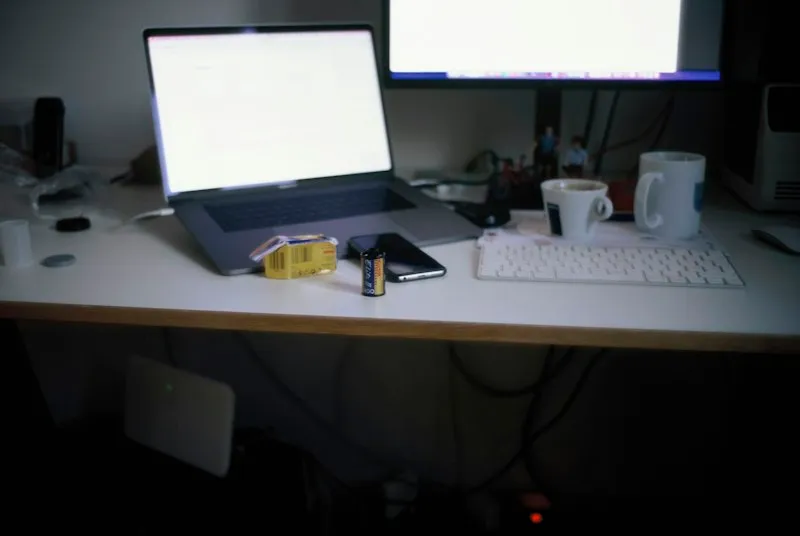
When you face a task that feels stressful, boring, or overwhelming, your brain registers discomfort. The fastest way to escape that feeling is to switch to something that offers relief-a snack, a video, or even a different chore. Researchers call this short-term mood repair: you delay an intended action because your immediate emotional state overrides your longer-term goals.
This is not a sign of weak character. Procrastination has been described as a self-regulation failure, meaning your system of managing emotions and priorities momentarily breaks down under the weight of present feelings. The mechanism is the same whether the avoidance lasts five minutes or five hours: your mind picks the option that restores positive affect in the moment, even if it makes later life harder.
The 30‑Second Emotion Check

You cannot stop the urge, but you can catch it early. The next time you reach for a short-term fix, pause for thirty seconds and name what you are feeling. Say to yourself: 'I am avoiding this because I feel anxious / bored / tired.' That act of labeling activates your prefrontal cortex and slows the automatic mood-repair loop.
Then ask one question: 'If I do this small piece of the task for just two minutes, what would happen?' Often the distress you fear does not appear, and once you start, the task feels more manageable. This brief check interrupts the priority your mind gave to immediate relief and gives your long-term goals a chance to be heard.
SourcesS6
Where are you
What feels closest to your situation right now?
Pick the situation that feels closest and bring it into a private reflection in Mneno.
Not sure? Start here:Help me understand this situation and choose one constructive next step.
- I keep avoiding the same kind of task every timeHelp me notice what that specific task triggers in me and find a way to approach it differently.
- I feel guilty after I give in to the short-term fixHelp me learn to respond to that guilt without shame and build a kinder inner dialogue.
- I have tried to stop but nothing seems to stickHelp me understand why previous attempts did not last and discover one small, new direction to try.
References
Sources & evidence
3 research papers informed this article. The numbers beside each section link here, and each DOI opens the original paper.
Source 1:Procrastination and the Priority of Short‐Term Mood Regulation: Consequences for Future Self
Sirois, Fuschia, Pychyl, Timothy (2013). Procrastination and the Priority of Short‐Term Mood Regulation: Consequences for Future Self. DOI 10.1111/spc3.12011
articleSource 2:Giving in when feeling less good: Procrastination, action control, and social temptations
Sirois, Fuschia M., Giguère, Benjamin (2018). Giving in when feeling less good: Procrastination, action control, and social temptations. DOI 10.1111/bjso.12243
articleSource 3:Overcome procrastination: Enhancing emotion regulation skills reduce procrastination
Eckert, Marcus, Ebert, David D, Lehr, Dirk, Sieland, Bernhard, et., al. (2016). Overcome procrastination: Enhancing emotion regulation skills reduce procrastination. DOI 10.1016/j.lindif.2016.10.001
Keep reading
 DecisionWhy You Keep Turning to Food When UpsetUnderstand the short-term mood repair trap and compare three strategies to handle emotional eating, each with different trade-offs.3 min read
 TechniquesComparing Ways to Respond When Low Mood Leads to Task AvoidanceExplore three distinct practices for responding when you want to avoid work because you feel bad, based on research on mood and procrastination.3 min read
 How-toRecognizing Low Distress Tolerance When Stress HitsWhen stress hits, learning to notice low distress tolerance can help you pause before reaching for junk food. Simple awareness is a first step.3 min read
 ExplainerShort-Term Mood RegulationShort-term mood regulation means acting to feel better right now, often by avoiding discomfort. This can explain procrastination and its trade-offs.6 min read
 ExplainerWhat Is Mood Repair?Mood repair means seeking immediate relief from negative feelings, often by delaying hard tasks. It can backfire by increasing guilt and future problems.6 min read
 MomentsCan't focus while studying - distracted before I even startIf you sit down to study but can't begin, you're not lazy. Goal setting helps you resist distractions by clarifying what matters most.2 min read