

Mood repair is the process of trying to improve how you feel in the moment, especially when you are experiencing unpleasant emotions. People often do this by shifting their attention or behavior toward something pleasurable, even if it means setting aside important tasks. While this can provide short-term relief, it sometimes works against long-term goals when it becomes a priority over completing necessary work.
Research on mood repair often examines it in the context of procrastination. Studies show that delaying a dreaded task can temporarily reduce anxiety or frustration, making mood repair a powerful driver of avoidance. However, this immediate comfort may come at a cost, as the delay can lead to guilt, stress, and more negative feelings later. Understanding mood repair helps explain why people sometimes choose short-term emotional comfort over actions that would benefit them in the long run.
How Mood Repair Drives Procrastination

Models of procrastination highlight mood repair as a central mechanism. When a task feels aversive, the urge to escape unpleasant feelings can override the intention to get started. Choosing a more enjoyable activity-like scrolling social media or watching TV-provides immediate mood improvement, even though it puts off the original task. This pattern is described as prioritizing short-term mood repair over long-term goal pursuit, and it can become a habitual way to cope with negative emotions associated with work.
Studies suggest that people who procrastinate tend to favor immediate mood-repairing strategies over strategies that would address the task itself. For instance, avoiding a difficult assignment can reduce anxiety in the moment, but it often leads to guilt, shame, or increased stress later. The very act of avoiding may feel like a mood boost, but researchers note that it frequently produces guilt and negative affect rather than true mood improvement. This cycle can strengthen the habit of delaying, making it harder to break over time.
Take it further
Start a Conversation
Have you ever noticed yourself putting off something important just to feel a bit better in the moment?
Reflect in Mneno
The Role of Competing Temptations

Temptations-such as checking social media, chatting with friends, or playing games-often serve as mood-regulating escapes. They become especially attractive when they offer immediate relief from negative feelings or promise a more positive mood than the intended task. In this way, competing temptations are not simply distractions; they function as mood repair strategies that help people avoid unpleasant emotions tied to their responsibilities. The more aversive the task, the stronger the pull of these mood-regulating alternatives.
Research indicates that these temptations are particularly effective at diverting attention because they provide quick emotional rewards. For example, a student facing a stressful exam might feel the urge to scroll through news feeds to reduce anxiety. This temporary relief reinforces the behavior, making it more likely to recur. Recognizing that temptations can act as mood repair tools helps explain why they are so hard to resist, even when a person knows that delaying a task will lead to worse outcomes.
SourcesS8
How Mood Repair Relates to Emotion Regulation Skills

Mood repair is closely tied to broader emotion regulation abilities. Emotion regulation involves tolerating, modifying, or shifting one's emotional experiences. When people struggle with these skills, they may rely on mood repair as a quick fix, especially when faced with aversive tasks. Research has found that procrastination is linked to deficits in emotion regulation, particularly the ability to tolerate and manage negative emotions. People who have difficulty regulating their emotions are more likely to engage in mood repair through avoidance.
Interestingly, improvements in emotion regulation skills have been associated with reductions in procrastination. One study showed that as people developed better strategies for handling unpleasant feelings, they procrastinated less. This suggests that strengthening emotion regulation can help individuals resist the short-term mood repair provided by delaying tasks. Instead of immediately seeking relief, they can learn to stay with discomfort, modify their emotional response, or use more adaptive coping strategies-skills that may reduce the need for mood repair in the first place.
SourcesS6
The Use of Downward Counterfactuals for Mood Repair

Another form of mood repair involves downward counterfactuals-comparing a negative outcome to an even worse alternative. After poor performance, people might think, "At least I didn't fail the exam entirely" or "I could have done much worse." This kind of thinking can restore a positive sense of self in the short term by softening the emotional impact of a setback. It offers immediate relief from disappointment or regret, making it another tool for mood repair.
However, researchers caution that this strategy may reduce motivation to improve in the future. By soothing negative feelings, downward counterfactuals can decrease the urgency to change behavior or learn from mistakes. The short-term mood boost comes at the cost of long-term growth, mirroring the trade-off seen in other mood repair tactics. This finding adds nuance to the understanding of mood repair: while some forms can protect emotional well-being in the moment, they may interfere with adaptive learning and goal adjustment if used habitually.
SourcesS9
FAQ
Common questions
Each answer is linked to its research.
Is mood repair always a bad thing?
Not necessarily. Mood repair simply means trying to feel better when you are upset, which can be healthy in many situations. The trouble arises when it becomes a habitual way to avoid important tasks that are necessary for long-term goals. When mood repair is prioritized over completing work, it can turn into procrastination and create more stress later. So, while the act of repairing mood is not inherently negative, the context and trade-offs matter. Choosing a short-term mood boost at the expense of larger responsibilities can backfire.
SourcesS1S2S3All sources
What are examples of inappropriate cognitive emotion regulation strategies?
Some cognitive strategies for managing emotions are considered maladaptive. In research, these include self-blame, rumination (repeatedly thinking about a negative event), catastrophizing (exaggerating the severity of a situation), and blaming others. These strategies are classified as inappropriate because they tend to increase distress rather than resolve it. Frequent use of these strategies is linked to worse emotional outcomes and may contribute to procrastination patterns, as they keep the focus on negative feelings rather than constructive action.
SourcesS12All sources
Can improving emotion regulation help reduce procrastination?
Yes, evidence suggests that improvements in emotion regulation skills are associated with reductions in procrastination. When people learn to tolerate and modify unpleasant emotions effectively, they become less reliant on avoidance as a mood repair strategy. Instead of immediately seeking relief through distraction, they can stay with the discomfort of a challenging task or use more adaptive coping methods. This shift can break the cycle of delay and reduce the impulse to prioritize immediate mood repair over completing important work.
SourcesS6All sources
Next read
Keep reading
Nearby guides picked by the editors of this article.
 MomentsI try to fix my mood before starting workYou try to feel better before starting work because your brain prioritizes short-term mood repair.3 min read
 DecisionWhy Do I Reach for a Quick Fix When I'm in a Bad Mood?Understanding the pull of short-term mood repair and making a deliberate choice between three evidence-supported strategies.3 min read
 How-toRecognizing Low Distress Tolerance When Stress HitsWhen stress hits, learning to notice low distress tolerance can help you pause before reaching for junk food. Simple awareness is a first step.3 min read
 TechniquesTurning to Distractions When in a Bad MoodExplore why you reach for distractions when feeling low-comparing simple mood repair, social media relief, and building emotion regulation skills.3 min read
 TechniquesWhy Fixing Your Mood Comes Before TasksUnderstand why short-term mood repair drives procrastination. Compare techniques to shift focus to tasks.3 min read
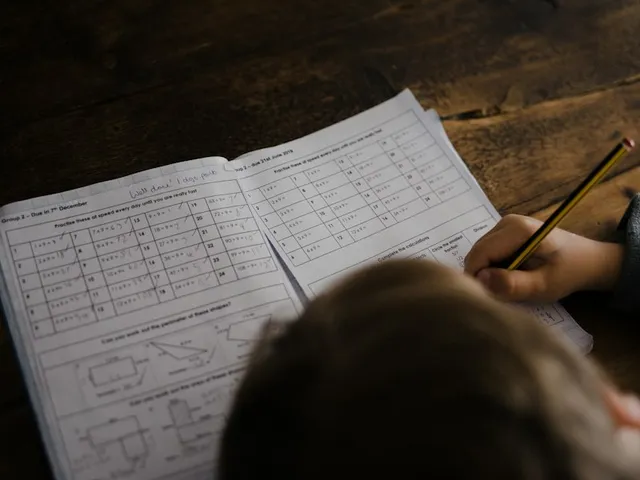 TechniquesUnderstanding Why You Avoid Math Homework Despite Knowing the ConsequencesThis article explores why you avoid math homework even when you know it will cause later regret, focusing on mood repair and short-term emotion regulation.3 min read
References
Sources & evidence
4 research papers informed this article. The numbers beside each section link here, and each DOI opens the original paper.
Source 1:Giving in when feeling less good: Procrastination, action control, and social temptations
Sirois, Fuschia M., Giguère, Benjamin (2018). Giving in when feeling less good: Procrastination, action control, and social temptations. DOI 10.1111/bjso.12243
articleSource 2:Procrastination and the Priority of Short‐Term Mood Regulation: Consequences for Future Self
Sirois, Fuschia, Pychyl, Timothy (2013). Procrastination and the Priority of Short‐Term Mood Regulation: Consequences for Future Self. DOI 10.1111/spc3.12011
articleSource 3:Cognitive, emotional, and motivational factors related to procrastination: A cluster analytic approach
Rebetez, Marie My Lien, Rochat, Lucien, Van der Linden, Martial (2015). Cognitive, emotional, and motivational factors related to procrastination: A cluster analytic approach. DOI 10.1016/j.paid.2014.11.044
Source 4:Overcome procrastination: Enhancing emotion regulation skills reduce procrastination
Eckert, Marcus, Ebert, David D, Lehr, Dirk, Sieland, Bernhard, et., al. (2016). Overcome procrastination: Enhancing emotion regulation skills reduce procrastination. DOI 10.1016/j.lindif.2016.10.001