
Can't focus while studying - distracted before I even start
If you sit down to study but can't begin, you're not lazy. Goal setting helps you resist distractions by clarifying what matters most.
Sound familiar?
You open your laptop to study, and five minutes later you're scrolling social media without having started.

Overview
If you are sitting in front of the screen right now and cannot begin - you are not lazy. A simple step is to set one clear, personally meaningful goal for the next 20 minutes and write down why it matters to you. This act narrows your focus and makes distraction feel less appealing.
Distractions win when your intention is vague. Setting a specific goal organizes your effort and gives you a reason to resist temptation. You don't need a complex system; just one goal and one reason can shift your attention back to the task.
Why Your Mind Keeps Drifting

Your brain is wired to protect you from effort that feels pointless or overwhelming. When a study task is fuzzy - "I'll work on biology" - your mind finds more rewarding signals elsewhere. This isn't weakness; it's a natural response to ambiguity. Research on self-regulated learning shows that defining the task clearly is the first step before your brain can commit to goals and strategies.
Procrastination specifically predicts how well you accomplish your own academic goals, even after controlling for personality and motivation. But motivation itself turns out to be the strongest predictor of whether you resist a tempting distraction. In one analysis, motivation was the only factor that significantly predicted success at avoiding anticipated temptations. So if you feel unmotivated, the answer isn't to force more discipline - it's to connect the task to something you genuinely care about.
The One-Minute Goal-Setting Tool
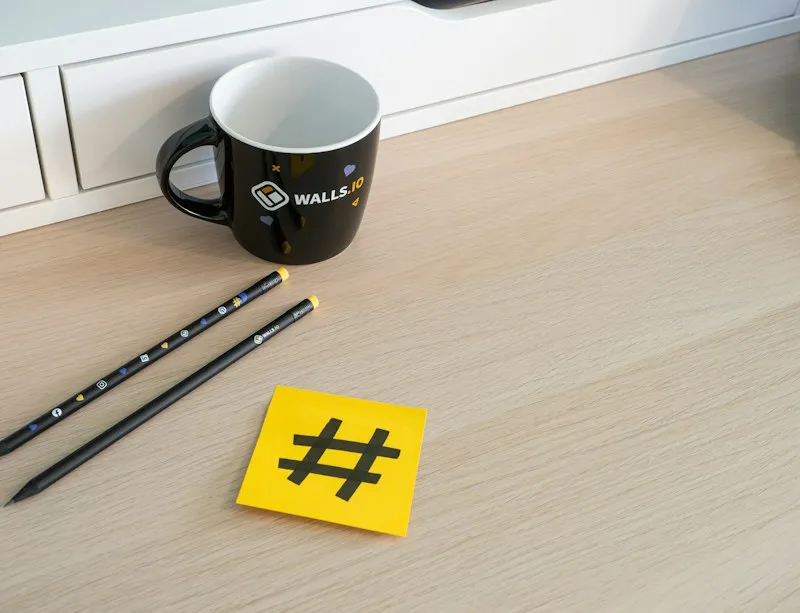
Before you start studying, take 60 seconds to write down three things: a specific goal (e.g., "outline the first three sections of Chapter 4"), a why ("because I want to feel confident on the quiz"), and a picture of the distraction you expect (e.g., phone notifications). Naming the temptation out loud makes it less automatic.
This combines what we know from self-regulation research: selecting a most important goal and elaborating on why it matters boosts your commitment. You don't need a full planner or app. One sticky note or open note file is enough. When the distraction shows up, you'll have a clear reason to stay put.
Where are you
What feels closest to your situation right now?
Pick the situation that feels closest and bring it into a private reflection in Mneno.
Not sure? Start here:Help me understand this situation and choose one constructive next step.
- I sit down but can't even open my notebookHelp me explore what makes starting feel impossible and find one small first move.
- I start studying but my phone pulls me away within five minutesHelp me understand why my attention drifts so fast and what I can do to stay on track.
- I know the material but don't feel motivated to review itHelp me reconnect with a reason to study so the effort feels worth it.
References
Sources & evidence
3 research papers informed this article. The numbers beside each section link here, and each DOI opens the original paper.
Source 1:Procrastination and self-efficacy: Tracing vicious and virtuous circles in self-regulated learning
Wäschle, Kristin, Allgaier, Anne, Lachner, Andreas, Fink, Siegfried, et., al. (2014). Procrastination and self-efficacy: Tracing vicious and virtuous circles in self-regulated learning. DOI 10.1016/j.learninstruc.2013.09.005
Source 2:Academic procrastination and goal accomplishment: A combined experimental and individual differences investigation
Gustavson, Daniel E., Miyake, Akira (2017). Academic procrastination and goal accomplishment: A combined experimental and individual differences investigation. DOI 10.1016/j.lindif.2017.01.010
Source 3:Examining ‘active’ procrastination from a self-regulated learning perspective
Cao, Li (2012). Examining ‘active’ procrastination from a self-regulated learning perspective. DOI 10.1080/01443410.2012.663722
Keep reading
 DecisionWhy Learning Feels Harder NowUnderstand why learning feels harder now and compare three strategies with different effort levels to find what fits your current situation.4 min read
 TechniquesSelf-Directed Learning TechniquesCompare four research-backed practices for learning on your own: setting weekly goals, monitoring your progress, organizing study resources, and cultivating4 min read
 How-toWhy You Forget Your Intention Mid-Task and What to Do About ItLearn why you forget what you were about to do-cognitive load and working memory limits are key-and get evidence-based strategies to reduce it.3 min read
 ExplainerSelf-Regulated LearningSelf-regulated learning means actively managing your own learning through planning, monitoring, and reflection to reach your goals.5 min read
 TechniquesWhy Your Mind Gets Stuck in Worry Loops and How to Break FreeCompare practices for breaking worry loops, with evidence on what each involves and its limits. The research does not show which practice fits everyone.4 min read
 MomentsCan't motivate myself to study right nowIf you are staring at your work and cannot start, you are not lazy. Learn why motivation dips and how a short goal-setting tool can help you move forward.2 min read