
Why can't I stop reaching for my phone when I need to work?
Phone checking during work is often an automatic habit triggered by environmental cues. Learn how to identify and change these cues to reduce distraction.
Why can't I stop reaching for my phone when I need to work?
- Habit Cues
- Environmental Triggers
- Stimulus Control
- Distraction

Overview
Reaching for your phone while you need to work is often driven by automatic habits, not a conscious choice. These habits are triggered by environmental cues-like seeing your phone on the desk or feeling a moment of boredom-that activate the response without deliberation. Changing the environment rather than relying on willpower alone can help disrupt this pattern.
Research on procrastination has traditionally focused on individual traits, but there is growing recognition that situational factors play a key role. The techniques below focus on altering your immediate surroundings to reduce the automatic pull of your phone, based on evidence from habit and self-regulation research.
1. Identify your personal phone-checking triggers

Start by observing when and where you reach for your phone. Notice the specific situations-certain times of day, places, moods, or preceding actions-that seem to precede the behavior. This practice, known as trigger identification, helps you anticipate the moments when the habit is most likely to occur.
Research on habit formation shows that cues can include physical environments (e.g., your desk), other people, or preceding actions in a sequence. By listing your own common triggers (e.g., feeling stuck on a task, seeing a notification light, or sitting down at your computer), you can become more aware of the patterns that lead to phone checking. This step is about awareness, not change, and the evidence comes from studies of how habits are automatically cued by context.
Keep a simple log for a few days, noting the time, location, and what you were doing right before you picked up your phone. This helps you see the environmental regularities that may be driving the habit.
2. Change the cues that trigger phone checking
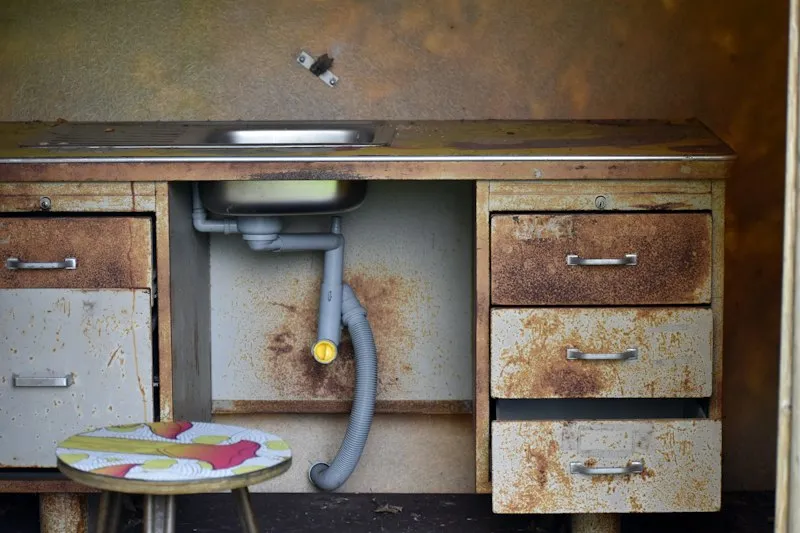
Once you know your triggers, modify your environment to remove or avoid them. For example, if seeing your phone on the desk is a strong cue, put it in another room or in a drawer while you work. This is a form of stimulus control-removing cues that trigger impulsive behavior to reduce the need for willpower.
Research on habit disruption emphasizes that unwanted habits are strongly context-dependent. Changing the environmental cues that trigger the habit makes it less likely to occur. This approach has been studied in contexts such as reducing unhealthy snacking, where removing tempting foods from sight reduces consumption. Applying this to your phone means making the cue less available, which can weaken the automatic response.
The key is to create a deliberate gap between the cue and the phone: turn off notifications, place the phone out of sight and reach, or use a dedicated focus mode on your device.
3. Use a delay-and-replace strategy when you notice the urge

When you feel the urge to check your phone, delay the action for a specific short period, such as 10 minutes, and use that time to refocus on your work. This builds the skill of postponing distractions until your planned work is complete, as recommended in research on reducing academic distractions.
The evidence for this approach comes from studies on managing temptations and distractions in academic settings, where students are advised to actively develop the ability to delay distractions until after planned work. While this research does not guarantee that the urge will fade, delaying can give your deliberate goals time to re-engage and weaken the automatic cue-response link over time. Combine this with a brief re-engagement in your task (e.g., re-reading the last sentence you wrote) to help your mind return to work.
Take it further
What's your environment telling you?
What patterns do you notice in the moments just before you reach for your phone, and how might changing one small cue shift that habit?
Talk it out
An idea to explore together
Have you noticed any situations where you are more likely to pick up your phone when you'd rather be working?
Keep reading
 MomentsCan't stop checking my phone when I should be workingIf you keep picking up your phone during work, you're not lazy. Learn why it happens and one concrete tool to break the cycle in under two minutes.2 min read
 DecisionWhy Do Certain Places or Times Make Me Automatically Procrastinate?Understand how environmental cues trigger automatic procrastination and compare three strategies to respond based on your current capacity for effort.4 min read
 ExplainerStimulus ControlStimulus control means changing environmental cues to reduce procrastination and make desired behaviors automatic.6 min read
 TechniquesWhy can't I stop checking my phone even when I need to focus?Understand the pull of phone checking and compare simple ways to reduce distractions and improve focus.2 min read
 ExplainerUnderstanding Cognitive Behavioral TherapyLearn what cognitive behavioral therapy (CBT) is, how it works, its applications in procrastination, insomnia, and anxiety, and how it can be delivered via5 min read
- TechniquesComparing Practices to Stay Focused While StudyingCompare three evidence-based practices for managing distraction while studying: stimulus control, self-regulation training, and emotion regulation skills.3 min read
References
Sources & evidence
4 research papers informed this article. The numbers beside each section link here, and each DOI opens the original paper.
Source 1:Psychology of Habit
Wood, Wendy, Rünger, Dennis (2016). Psychology of Habit. DOI 10.1146/annurev-psych-122414-033417
Source 2:ENVIRONMENTAL FACTORS THAT INCREASE THE FOOD INTAKE AND CONSUMPTION VOLUME OF UNKNOWING CONSUMERS
Wansink, Brian (2004). ENVIRONMENTAL FACTORS THAT INCREASE THE FOOD INTAKE AND CONSUMPTION VOLUME OF UNKNOWING CONSUMERS. DOI 10.1146/annurev.nutr.24.012003.132140
Source 3:How Study Environments Foster Academic Procrastination: Overview and Recommendations
Svartdal, Frode, Dahl, Tove I., Gamst-Klaussen, Thor, Koppenborg, Markus, et., al. (2020). How Study Environments Foster Academic Procrastination: Overview and Recommendations. DOI 10.3389/fpsyg.2020.540910
Source 4:Adolescent Brain Development: A Period of Vulnerabilities and Opportunities. Keynote Address
DAHL, RONALD E. (2004). Adolescent Brain Development: A Period of Vulnerabilities and Opportunities. Keynote Address. DOI 10.1196/annals.1308.001
article
A place to begin
Make room for your next step.
You do not need to have it all figured out. Bring one real moment to Mneno, notice what matters, and choose one step to try.
Name the moment
Describe what happened in your own words.
Notice what matters
Explore the needs and reactions beneath it.
Choose one step
Find a small action you can try next.
Start at your own pace