

Mindfulness-Based Stress Reduction (MBSR) is an 8-week course in mindfulness meditation designed to help people manage stress, anxiety, pain, and other conditions. Participants attend weekly 2-hour classes and a 7.5-hour silent meditation retreat in the sixth week. Homework includes formal and informal meditation techniques, which are discussed weekly in class.
Research on MBSR has examined its effects on various populations, including people with anxiety disorders, chronic pain, and other medical conditions. Studies often measure changes in symptoms like anxiety, depression, and pain using standardized scales. While many findings show improvements, some studies have limitations such as small sample sizes or lack of control groups.
What the MBSR Program Involves
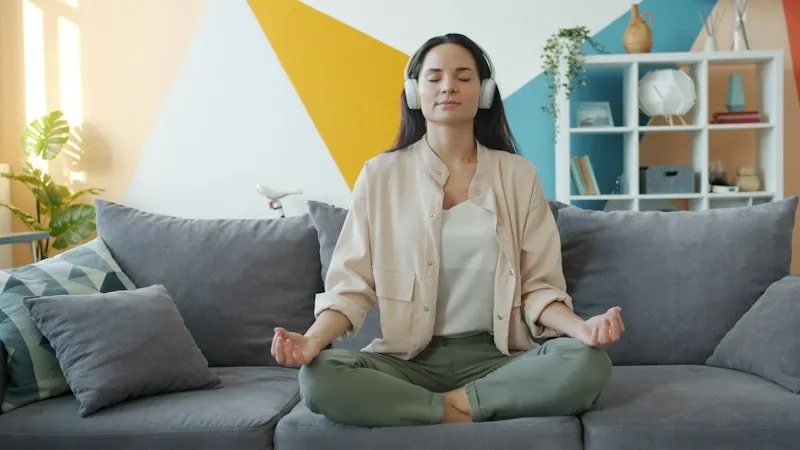
The standard MBSR program runs for 8 weeks. Each week, participants attend a 2-hour class with about 30 other people who have various medical and psychological disorders. In the sixth week, there is a 7.5-hour silent meditation retreat. Participants are also expected to practice meditation at home using both formal techniques (like breath awareness and body scan) and informal techniques integrated into daily life.
The program typically includes breath awareness, body scan (systematically focusing attention on different parts of the body), gentle movement, and compassion training. These practices are meant to cultivate moment-to-moment nonjudgmental awareness. Delivery methods can vary; some programs use group sessions, audio recordings, or internet-based formats, but the core structure of weekly classes and home practice remains consistent.
Take it further
Exploring Together
Have you ever tried any form of meditation or stress reduction program, and if so, what was that experience like for you?
Reflect in Mneno
Effects on Anxiety and Depression

Several studies have examined MBSR for anxiety and depression. In one study of 22 patients with generalized anxiety disorder or panic disorder, 20 out of 22 showed marked improvement in both anxiety and depression after the 8-week program. Improvements were seen on both patient self-ratings (Beck Anxiety Inventory and Beck Depression Inventory) and interviewer ratings (Hamilton Anxiety and Depression scales). These gains were maintained at a 3-month follow-up and, in a separate 3-year follow-up of the same participants, treatment gains had been maintained.
Another study of 22 patients with anxiety disorders reported that mean scores on the Hamilton Anxiety Scale decreased by 34%, and Beck Anxiety Inventory scores decreased by 65% from before to after treatment. Improvements were also maintained at a 3-month follow-up. Broader meta-analytic evidence supports that mindfulness meditation, including MBSR, significantly lowers depression scores compared to treatment as usual, support, education, stress management, and waitlist controls. The quality of this evidence was rated as high due to consistent results and precision of effect.
Effects on Chronic Pain and Physical Health
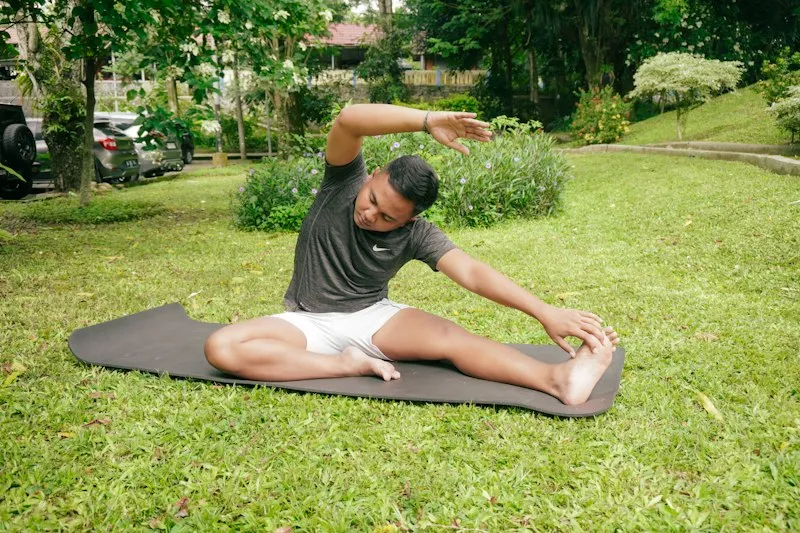
MBSR has also been studied for chronic pain. Four studies found statistically significant improvements in ratings of pain, other medical symptoms, and general psychological symptoms in patients with chronic pain after participating in MBSR. Many of these changes were maintained at follow-up evaluations. However, most of these comparisons used pre-post designs with no control group, which limits the ability to attribute improvements solely to MBSR.
In a systematic review of chronic pain studies, MBSR was the most common mindfulness intervention, used in 21 out of 38 randomized controlled trials. Delivery methods included group sessions, audio recordings, and internet-based formats. Pilot randomized controlled trials have also evaluated MBSR for conditions such as cancer-related fatigue, fibromyalgia, and headache disorders.
Biological Mechanisms and Broader Effects

Some research has explored possible biological mechanisms behind MBSR's effects. One study found that urine levels of a melatonin metabolite were significantly higher in women who had previously trained in MBSR and continued to meditate regularly, compared to women who never trained and did not meditate. This suggests that mindfulness meditation might influence health status through its effects on melatonin, which is related to immune function. However, this was a small observational study and does not prove causation.
Meta-analytic evidence also shows that mindfulness meditation, including MBSR, produces consistent improvements across standardized mental health measures. These include psychological dimensions of quality of life, coping style, and other affective dimensions of disability. The robustness of these findings across different study designs and populations suggests that MBSR may be a broadly applicable intervention for improving both mental and physical well-being.
FAQ
Common questions
Each answer is linked to its research.
How does MBSR differ from other mindfulness programs?
MBSR is a specific, structured 8-week program developed by Jon Kabat-Zinn. It includes weekly group classes, home practice, and a silent retreat. While many other mindfulness programs share similar elements, MBSR has a standardized curriculum that has been widely researched. Other programs may be shorter, delivered online, or focus on specific conditions. The evidence for MBSR comes from numerous studies, but it is not the only mindfulness intervention; variations exist for different populations and settings.
SourcesS1S8All sources
Can MBSR be helpful for people without a diagnosed condition?
Yes, MBSR was originally developed for people with chronic pain and stress-related conditions, but it has been studied in nonclinical populations as well. For example, one study found that women who continued to meditate regularly after MBSR training had higher levels of a melatonin metabolite, which may be linked to immune function. This suggests potential benefits even for those without a specific diagnosis. However, most research has focused on clinical populations, so the evidence for general preventive use is less robust.
SourcesS2S9All sources
What are the limitations of the research on MBSR?
While many studies show positive effects, there are important limitations. Many early studies used small sample sizes and pre-post designs without control groups, making it difficult to rule out placebo effects or natural recovery. Even in controlled trials, blinding participants to mindfulness is challenging. The quality of evidence varies; some meta-analyses rate it as high for depression, but other outcomes have mixed evidence. Additionally, most studies have been conducted in Western settings with specific populations, so results may not generalize globally.
SourcesS3S5S7S12All sources
Next read
Keep reading
Nearby guides picked by the editors of this article.
 MomentsIs there a way to reduce chronic stress without medication?If you feel stuck in chronic stress, you are not alone. Mindfulness-Based Stress Reduction (MBSR) offers a structured, evidence-based way to lower stress3 min read
 DecisionWhy do I run out of willpower by the end of the day?Learn about decision fatigue and explore three strategies - reduce decisions, manage energy, or prioritize tasks - to conserve willpower when it runs low.3 min read
 How-toBreak the Panic-Avoid Cycle with Structured DeadlinesWhy deadlines trigger panic and avoidance, plus how to break the cycle using small, structured deadlines.3 min read
 TechniquesSimple Ways to Reduce Work StressCompare three evidence-based practices to reduce work stress: breathing relaxation, mindfulness meditation, and emotional expression.3 min read
 TechniquesComparing Ways to Improve Time ManagementExplore three evidence-based practices for managing time better: creating if-then plans, structuring your schedule, and reserving focused work blocks.3 min read
 ExplainerMindfulness Meditation and Its BenefitsMindfulness meditation is a practice of focused attention and acceptance. Learn how it can improve mental and physical health based on research.5 min read
References
Sources & evidence
4 research papers informed this article. The numbers beside each section link here, and each DOI opens the original paper.
Source 1:Effectiveness of a meditation-based stress reduction program in the treatment of anxiety disorders
1992. Effectiveness of a meditation-based stress reduction program in the treatment of anxiety disorders. DOI 10.1176/ajp.149.7.936
articleSource 2:Mindfulness training as a clinical intervention: A conceptual and empirical review.
Ruth A. Baer (2003). Mindfulness training as a clinical intervention: A conceptual and empirical review.. DOI 10.1093/clipsy.bpg015
articleSource 3:Mindfulness Meditation for Chronic Pain: Systematic Review and Meta-analysis
Hilton, Lara, Hempel, Susanne, Ewing, Brett A., Apaydin, Eric, et., al. (2016). Mindfulness Meditation for Chronic Pain: Systematic Review and Meta-analysis. DOI 10.1007/s12160-016-9844-2
Source 4:Mindfulness-based stress reduction and health benefits
Paul Grossman, Ludger Niemann, Stefan Schmidt, Harald Walach (2004). Mindfulness-based stress reduction and health benefits. DOI 10.1016/s0022-3999(03)00573-7