
Comparing Ways to Improve Time Management
Explore three evidence-based practices for managing time better: creating if-then plans, structuring your schedule, and reserving focused work blocks.
The question
Why can't I stick to my time management plans?

Overview
Sticking to time management plans is a common challenge. Research suggests that specific techniques, not just general planning, may help. This article compares three evidence-based practices: making if-then plans, designing a structured schedule, and reserving uninterrupted work blocks. The evidence does not show which approach works best for everyone, so you can consider which might fit your situation.
These practices come from research on goal pursuit and procrastination. They focus on reducing ambiguity, anticipating obstacles, and protecting focus. Each has limits, and none is a guaranteed fix. The goal here is to help you understand what each practice involves so you can decide where to start.
Make If-Then Plans

With if-then plans, you link a specific cue or obstacle to a concrete action. For example: "If it is 10 AM on Tuesday, then I will start writing my report for 25 minutes." The idea is to automate the decision of when and how to act, reducing the need to deliberate in the moment. Start by identifying a recurring situation where you tend to get stuck.
Research on implementation intentions shows that adding a specific if-then structure to a goal improves the chances of following through, compared to only holding a general intention. The effect depends on the cue being noticeable and the response being actionable. The evidence comes from controlled studies, so real-world disruptions may weaken the effect. This practice requires you to anticipate cues in advance.
Design a Structured Schedule
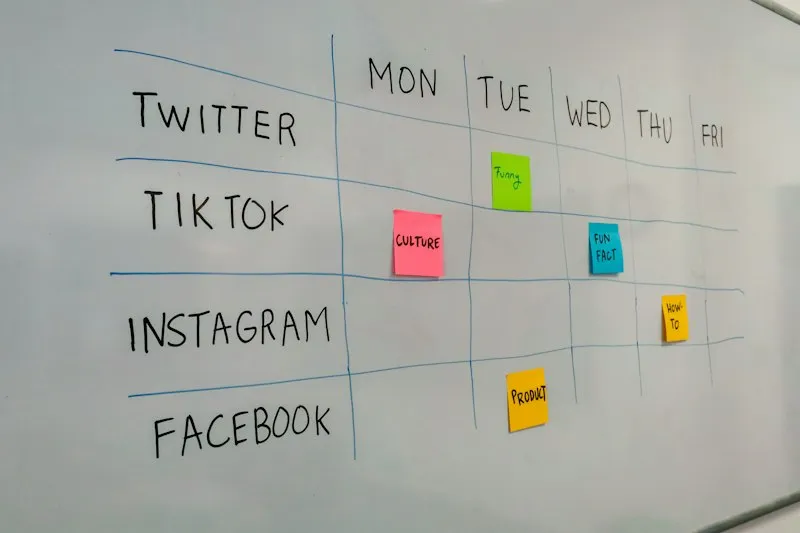
This practice involves planning your semester or week by accounting for all commitments-study, work, family, sports-on a calendar. A short workshop where you map out tasks and deadlines can help reduce the overwhelming freedom of an unstructured schedule. The goal is to create a clear roadmap so you know what to work on and when.
Research on procrastination-friendly environments suggests that a large degree of freedom can foster procrastination, especially for people who find it hard to plan and prioritize on their own. In one study, a planning workshop helped students downsize that burden while respecting their autonomy. This does not mean a schedule eliminates procrastination, but it may make the path forward clearer. You may need to revise the plan as priorities change.
Reserve Uninterrupted Blocks

This practice means setting aside large, protected periods for focused work-for instance, two hours without phone or email-and knowing which tasks to prioritize during that time. It also involves realistically estimating how long tasks usually take and distinguishing important from less important activities. The idea is to create a container for deep concentration.
Evidence from time management research identifies these practices-estimating activity duration, prioritizing, and reserving uninterrupted blocks-as time-structuring behaviors that can reduce procrastination by improving focus. The research is based on self-report and observational studies, so it describes patterns rather than proving cause and effect. It does not specify how long a block should be or how often to schedule them.
Take it further
Reflect on Your Patterns
Which of these practices addresses a specific situation where you often struggle to follow your plan?
Talk it out
Talk About It
Have you ever tried a particular method to make a plan easier to stick to?
References
Sources & evidence
4 research papers informed this article. The numbers beside each section link here, and each DOI opens the original paper.
Source 1:Procrastination: Self‐regulation in Initiating Aversive Goals
Van Eerde, Wendelien (2000). Procrastination: Self‐regulation in Initiating Aversive Goals. DOI 10.1111/1464-0597.00021
DOI 10.1111/1464-0597.00021articleSource 2:How Study Environments Foster Academic Procrastination: Overview and Recommendations
Svartdal, Frode, Dahl, Tove I., Gamst-Klaussen, Thor, Koppenborg, Markus, et., al. (2020). How Study Environments Foster Academic Procrastination: Overview and Recommendations. DOI 10.3389/fpsyg.2020.540910
Source 3:Safety Planning Intervention: A Brief Intervention to Mitigate Suicide Risk
Stanley, Barbara, Brown, Gregory K. (2012). Safety Planning Intervention: A Brief Intervention to Mitigate Suicide Risk. DOI 10.1016/j.cbpra.2011.01.001
Source 4:Multidimensional Models of Perfectionism and Procrastination: Seeking Determinants of Both
P. Sederlund, Allison, R. Burns, Lawrence, Rogers, William (2020). Multidimensional Models of Perfectionism and Procrastination: Seeking Determinants of Both. DOI 10.3390/ijerph17145099
DOI 10.3390/ijerph17145099article
Next read
Keep reading
 MomentsIs there a way to reduce chronic stress without medication?If you feel stuck in chronic stress, you are not alone. Mindfulness-Based Stress Reduction (MBSR) offers a structured, evidence-based way to lower stress3 min read
 DecisionWhy do I run out of willpower by the end of the day?Learn about decision fatigue and explore three strategies - reduce decisions, manage energy, or prioritize tasks - to conserve willpower when it runs low.3 min read
 ExplainerTask-Oriented CopingTask-oriented coping means focusing on the problem at hand with constructive action.5 min read
 How-toBreak the Panic-Avoid Cycle with Structured DeadlinesWhy deadlines trigger panic and avoidance, plus how to break the cycle using small, structured deadlines.3 min read
 DecisionIs There a Way to Reduce Stress Using Mindfulness?Compare three mindfulness strategies for reducing stress, from low to high effort, and choose what fits your current capacity.3 min read
 ExplainerImplementation IntentionsImplementation intentions are specific if-then plans that link a situational cue to a goal-directed response, helping bridge the intention-action gap.5 min read