
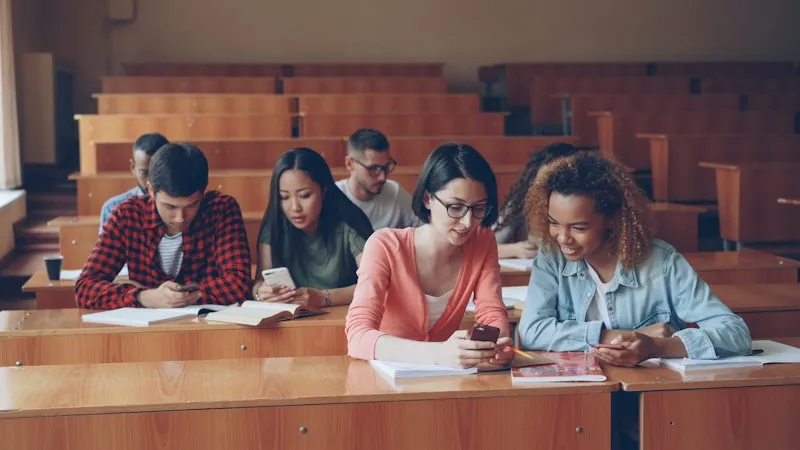
学术网络闲逛是指在课堂或学习时间内使用数字媒体进行非学术目的的活动,例如浏览不相关的网站、查看社交媒体或发消息。这种行为可能会降低学业表现,并可能损害认知和记忆能力,尤其是在干扰专注学习时。
与工作场所的网络闲逛(定义为员工在工作时间使用互联网处理非工作任务)不同,学术网络闲逛特指在教育环境中发生的行为。它与手机、笔记本电脑和其他在线系统的干扰有关,这些干扰与计划中的学术任务竞争,使学生难以保持任务专注。


来源
常见问题
常见问题
每个答案都链接到其研究依据。
学术网络闲逛和拖延是一回事吗?
阻止数字干扰能完全预防网络闲逛吗?
下一篇
继续阅读
本文编辑精选的邻近指南。
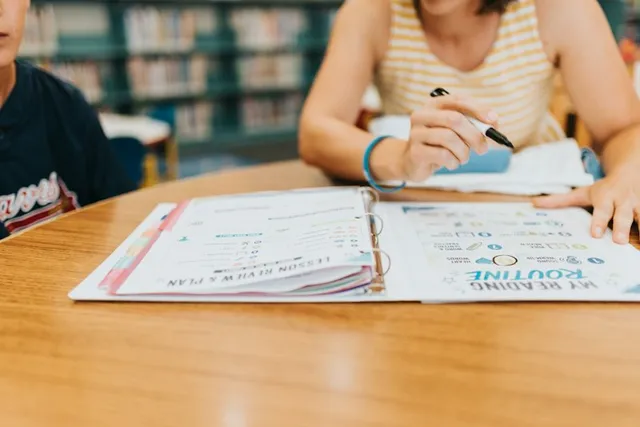 技巧更有效利用课堂支援的三种方法学习来自指导研究的三种实践方法,帮助你在学校或大学环境中更好地利用现有支持。3 分钟阅读
 解说学业拖延的学术与认知影响学业拖延会削弱学习策略和学业表现,并对认知和情感幸福感产生影响。4 分钟阅读
 技巧课堂外的学术帮助:方法比较比较同伴指导、导师利用和寻求帮助策略,在课堂外寻找学术支持。2 分钟阅读
 技巧为什么你会怀疑自己学业成功的能力学业上的自我怀疑可能反映的是任务特定的信心差距,而非固定限制。比较几种审视和建立学业自我效能感的实用方法。4 分钟阅读
- 技巧保持专注学习的比较实践比较三种基于证据的应对学习时分心的策略:刺激控制、自我调节训练和情绪调节技能。3 分钟阅读
 技巧为什么我总是拖到最后才学习?了解为什么学习常常被拖到最后一刻,探讨动机和完美主义这两个关键因素,并比较不同方法,以理解你的情况。3 分钟阅读
参考文献
来源与证据
以下 4 篇研究论文支撑了本文。每节旁的数字链接到这里,每个 DOI 可打开原始论文。
来源 1:Procrastination on social media: predictors of types, triggers and acceptance of countermeasures
Alblwi, Abdulaziz, McAlaney, John, Al Thani, Dena Ahmed S., Phalp, Keith, et., al. (2021). Procrastination on social media: predictors of types, triggers and acceptance of countermeasures. DOI 10.1007/s13278-021-00727-1
来源 2:How Study Environments Foster Academic Procrastination: Overview and Recommendations
Svartdal, Frode, Dahl, Tove I., Gamst-Klaussen, Thor, Koppenborg, Markus, et., al. (2020). How Study Environments Foster Academic Procrastination: Overview and Recommendations. DOI 10.3389/fpsyg.2020.540910
来源 3:On the psychology of time in action: Regulatory mode orientations and procrastination.
Pierro, Antonio, Giacomantonio, Mauro, Pica, Gennaro, Kruglanski, Arie W., et., al. (2011). On the psychology of time in action: Regulatory mode orientations and procrastination.. DOI 10.1037/a0025943
article来源 4:Procrastination predicts online self-regulated learning and online learning ineffectiveness during the coronavirus lockdown
Hong, Jon-Chao, Lee, Yi-Fang, Ye, Jian-Hong (2021). Procrastination predicts online self-regulated learning and online learning ineffectiveness during the coronavirus lockdown. DOI 10.1016/j.paid.2021.110673