
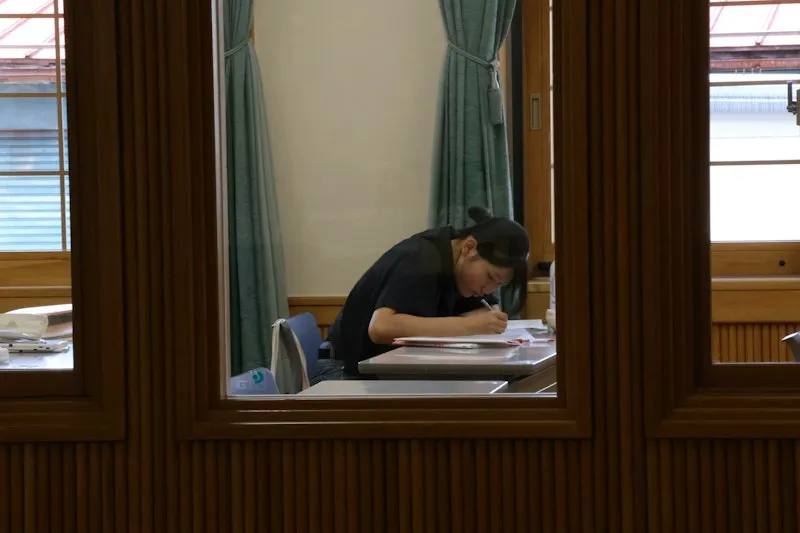
学业拖延,即明知延迟会带来负面后果,仍不必要地推迟学业任务,这与一系列学业和认知影响有关。研究表明,拖延的学生往往使用更少的有效学习策略,成绩也低于不拖延的同伴。
影响不仅限于成绩:拖延还与较弱的自我调节学习相关,例如时间管理和环境构建能力较差,以及更高的考试焦虑。了解这些影响可以帮助学生认识到拖延学业任务的更广泛代价。

常见问题
常见问题
每个答案都链接到其研究依据。
主动拖延和被动拖延在学业影响上有什么区别?
动机调节有助于减少拖延吗?
下一篇
继续阅读
本文编辑精选的邻近指南。
 技巧更有效利用课堂支援的三种方法学习来自指导研究的三种实践方法,帮助你在学校或大学环境中更好地利用现有支持。3 分钟阅读
 解说学业延迟的学术代价是什么?学业拖延会带来实际的代价:较低的工作质量、较差的成绩,以及学期后期的更多压力。以下探讨延迟如何影响学生。4 分钟阅读
 解说学术网络闲逛学术网络闲逛是指在课堂或学习时间使用数字媒体进行非学术目的的活动,这可能会降低学习效果和专注力。4 分钟阅读
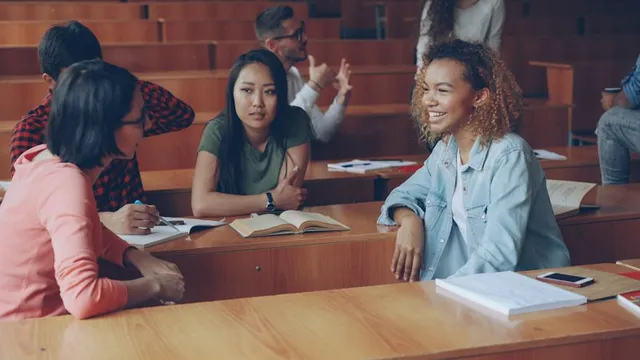 技巧课堂外的学术帮助:方法比较比较同伴指导、导师利用和寻求帮助策略,在课堂外寻找学术支持。2 分钟阅读
 技巧为什么你会怀疑自己学业成功的能力学业上的自我怀疑可能反映的是任务特定的信心差距,而非固定限制。比较几种审视和建立学业自我效能感的实用方法。4 分钟阅读
 技巧为什么我总是拖到最后才学习?了解为什么学习常常被拖到最后一刻,探讨动机和完美主义这两个关键因素,并比较不同方法,以理解你的情况。3 分钟阅读
参考文献
来源与证据
以下 4 篇研究论文支撑了本文。每节旁的数字链接到这里,每个 DOI 可打开原始论文。
来源 1:Effects of using motivational regulation strategies on students' academic procrastination, academic performance, and well-being
Grunschel, Carola, Schwinger, Malte, Steinmayr, Ricarda, Fries, Stefan (2016). Effects of using motivational regulation strategies on students' academic procrastination, academic performance, and well-being. DOI 10.1016/j.lindif.2016.06.008
来源 2:Why college students procrastinate in online courses: A self-regulated learning perspective
Cheng, Sheng-Lun, Xie, Kui (2021). Why college students procrastinate in online courses: A self-regulated learning perspective. DOI 10.1016/j.iheduc.2021.100807
来源 3:Examining ‘active’ procrastination from a self-regulated learning perspective
Cao, Li (2012). Examining ‘active’ procrastination from a self-regulated learning perspective. DOI 10.1080/01443410.2012.663722
来源 4:Procrastination predicts online self-regulated learning and online learning ineffectiveness during the coronavirus lockdown
Hong, Jon-Chao, Lee, Yi-Fang, Ye, Jian-Hong (2021). Procrastination predicts online self-regulated learning and online learning ineffectiveness during the coronavirus lockdown. DOI 10.1016/j.paid.2021.110673