
Why Do I Lose Motivation When a Game Rewards Me?
External rewards can sometimes undermine the fun. Compare ways to keep your motivation alive by focusing on autonomy, choice, and social play.
The question
Why do I lose motivation when playing a game that rewards me?
Overview
When a game rewards you with points, loot, or badges, you might expect to feel more motivated - but sometimes the opposite happens. Research shows that external rewards can actually undermine the internal drive that made the game enjoyable in the first place, especially when the reward feels controlling rather than informative.
The practices below are drawn from studies on motivation and game design. Each one suggests a different way to shift your focus back to what made playing feel rewarding on its own. None of them is proven to work for everyone, but comparing them may help you find a starting point that fits your situation.
Focus on Autonomy

One way to protect your motivation is to concentrate on the choices you have within the game. Look for options like customizing your avatar, selecting which missions to take on, or adjusting interface settings. The idea is to treat the game as a space where you decide what to do, rather than a system that tells you what to do for a reward.
Self-determination theory suggests that autonomy - having control over your own actions - is a core need for intrinsic motivation. Game elements that support autonomy, such as profiles and alternative activities, are believed to help keep the experience personally meaningful, even when external rewards are also present.
Reframe the Reward as Feedback

When you earn a reward, try treating it as a signal about your progress rather than as a reason to play. Instead of chasing the next badge, notice what the reward tells you about your skill or strategy. This shift in how you interpret the reward may help you feel more competent rather than controlled.
According to the functional significance of rewards, their effect on motivation depends on whether they feel informational or controlling. When you view a reward as useful feedback, research suggests it can satisfy your need for competence and actually strengthen your intrinsic motivation, rather than crowding it out.
Play With Others
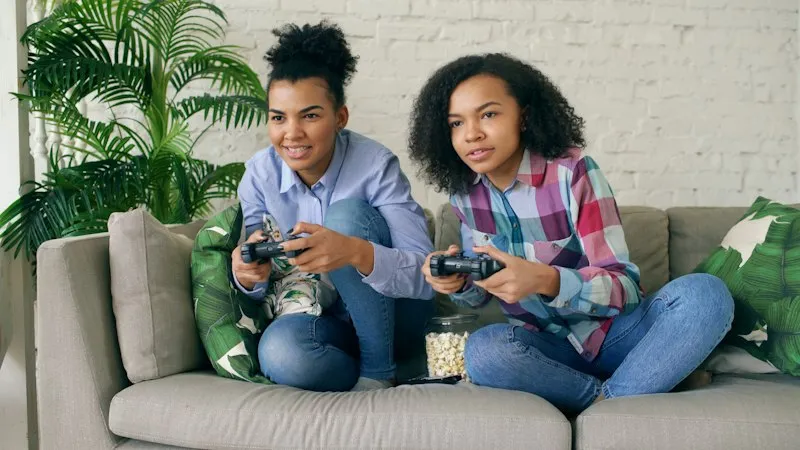
If solo play starts to feel hollow, try joining a team or a cooperative mode. Playing alongside other people can shift your focus from earning rewards to sharing an experience. You might find that coordinating with teammates or just chatting during a match makes the game feel engaging again on its own terms.
Research on online gaming has found that team participation is associated with greater loyalty and commitment to a game. Because collaboration tends to emerge naturally and feels intrinsically enjoyable, playing with others may help restore motivation that individual reward chasing can drain.
Mix in Intrinsic Rewards
When the game itself offers only extrinsic rewards - like currency or loot - you can create your own intrinsic rewards by setting personal challenges. For example, you might decide to explore every corner of a map or master a difficult technique without caring about the in-game reward. The point is to give yourself a reason to play that comes from your own curiosity.
Evidence from motivation research shows that combining extrinsic incentives with opportunities for autonomy and skill development can sustain creativity and engagement. By intentionally adding your own personal goals alongside the game's reward structure, you may reduce the feeling that you are just playing for an external payoff.
Take it further
What draws you in?
Think of a moment when you felt most engaged in a game - what was happening in that moment, and was a reward part of it or not?
Talk it out
Game nights
Have you ever felt that a game became less fun after you started caring about the points or loot?
References
Sources & evidence
4 research papers informed this article. The numbers beside each section link here, and each DOI opens the original paper.
Source 1:Self-Determination Theory in Work Organizations: The State of a Science
Edward L. Deci, Anja H. Olafsen, Richard M. Ryan (2017). Self-Determination Theory in Work Organizations: The State of a Science. DOI 10.1146/annurev-orgpsych-032516-113108
Source 2:Managing Creative People: Strategies and Tactics for Innovation
Mumford, Michael D (2000). Managing Creative People: Strategies and Tactics for Innovation. DOI 10.1016/s1053-4822(99)00043-1
Source 3:The rise of motivational information systems: A review of gamification research
Koivisto, Jonna, Hamari, Juho (2019). The rise of motivational information systems: A review of gamification research. DOI 10.1016/j.ijinfomgt.2018.10.013
Source 4:Gamification in theory and action: A survey
Seaborn, Katie, Fels, Deborah I. (2015). Gamification in theory and action: A survey. DOI 10.1016/j.ijhcs.2014.09.006
Next read
Keep reading
 MomentsWhy do I lack motivation even for things I care about?You feel stuck despite caring deeply. This moment explores how hidden pressure can block motivation and a quick tool to reconnect with your own choice.3 min read
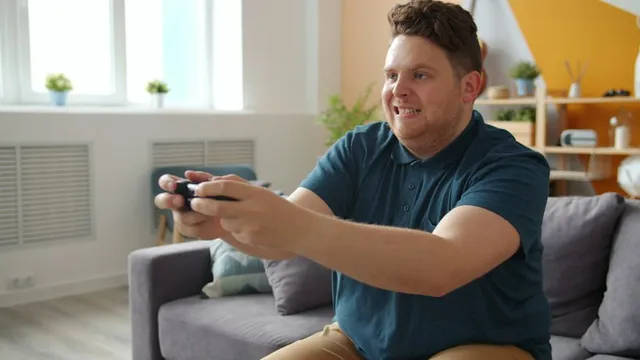 DecisionWhy do I lose motivation to keep playing games or using apps even if they were fun at first?Understand why motivation fades and choose a strategy that fits your current capacity.3 min read
 ExplainerSelf-Determination Theory in GamificationSelf-determination theory explains how gamification can support intrinsic motivation by addressing needs for autonomy, competence, and relatedness.6 min read
 How-toRediscovering the Joy in Games That Feel Like a ChoreLearn how to reconnect with the fun in games when they start to feel like a chore, using insights from self-determination theory and gamification research.4 min read
 ExplainerSelf-Determination TheorySelf-determination theory explains that fulfilling three basic psychological needs supports well-being, intrinsic motivation, and personal growth.6 min read
- How-toRegain a Sense of Autonomy When You Feel You Have No SayFeeling stuck and unmotivated when you have no say? This article shows one way to identify and support your psychological need for autonomy.2 min read