
Rediscovering the Joy in Games That Feel Like a Chore
Learn how to reconnect with the fun in games when they start to feel like a chore, using insights from self-determination theory and gamification research.
Why do I stop enjoying games when they feel like a chore?
- Intrinsic Motivation
- Self Determination
- Game Design
- Extrinsic Rewards

Overview
When a game starts to feel like a chore, it often means the external pressures or rewards are overshadowing your internal reasons for playing. This article offers a way to realign your experience with the enjoyment that comes from mastering challenges, making free choices, and feeling connected to the game world.
The approach is grounded in self-determination theory, which suggests that motivation driven by external rewards can sometimes crowd out the intrinsic enjoyment of an activity. The steps below are designed to help you shift your focus back to what made the game enjoyable in the first place, but they are not a guaranteed fix for every situation-especially if the game's design itself is the problem.
1. Pause and identify what feels like a chore

First, notice which parts of the game feel like an obligation. This could be daily login rewards, grinding for resources, or following quest markers. Research on intrinsic motivation shows that when you perform a task only to get a tangible reward, the activity itself can become less enjoyable. Take a mental note of the tasks that feel forced-these are likely the ones where external rewards are dominating your motivation.
The negative effect of such rewards is strongest when they are both contingent on performance and highly salient. So if the game is constantly reminding you of points, levels, or loot, it might be pulling you away from the pure experience of playing. This step is simply about observing these feelings, not judging them.
2. Reconnect with your intrinsic reasons for playing
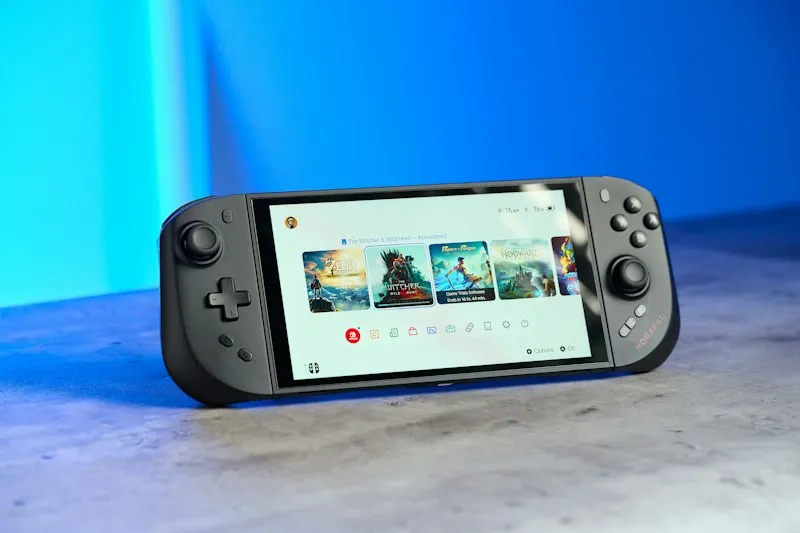
Self-determination theory proposes that intrinsic motivation-the urge to act because you find it interesting or satisfying-comes from three needs: competence (feeling effective), autonomy (feeling in control), and relatedness (feeling connected). Ask yourself what originally drew you to this game. Was it the challenge of mastering a difficult level (competence)? The freedom to explore or make choices (autonomy)? Or the social interactions (relatedness)?
Focusing on these internal reasons can help you rediscover what made the game rewarding before external rewards took center stage. A study on workplace motivation found that when people pursued intrinsic goals and were in a supportive environment, they experienced more psychological need satisfaction and engagement. The same principle may apply to your gaming sessions: deliberately choose aspects of the game that fulfill these needs.
3. Reduce exposure to contingent rewards

If the game has a lot of reward systems-like streaks, timers, or collectibles-consider ignoring them for a while. Tangible rewards that are contingent on completing a task have been shown to decrease intrinsic motivation for that activity. Try turning off notifications, muting achievement pop-ups, or simply deciding to do an activity in the game without any goal other than enjoyment.
This isn't about abandoning all goals, but about suspending those that feel like they control you. The competence need itself is nourished by challenges you choose, not ones imposed by a reward system. By reducing the salience of external rewards, you might make space for the inherent satisfaction of mastering a challenge just because it's interesting.
Where the evidence stops
Limits of this approach
These steps are designed to help you reframe your own mindset, but they may not work if the game's core loop is fundamentally at odds with intrinsic motivation. Some game designs rely heavily on extrinsic rewards and may deliberately create a sense of obligation to keep you playing. In such cases, the most effective step might be to step away for a while-or to choose a different game that aligns better with what you truly enjoy.
Common questions
Is it possible to enjoy games again after they start feeling like a chore?
Yes, many people do. The process often involves recognizing what parts of the game feel like work and trying to reconnect with the initial fun-the sense of mastery, freedom, or social connection. Research indicates that shifting focus from extrinsic rewards to intrinsic enjoyment can help restore motivation.
Does the approach work for all types of games?
It works best for games that offer a degree of freedom and challenge. Games with heavily scheduled rewards or performance metrics may resist this reframe because their design actively discourages intrinsic motivation.
Take it further
Reflect on Your Play
When was the last time you felt truly absorbed in a game, and what was different about that moment?
Talk it out
Talk About It
Have you ever found yourself doing something for fun that started to feel like a chore? What helped you get back to enjoying it?
Keep reading
 MomentsWhy do I lack motivation even for things I care about?You feel stuck despite caring deeply. This moment explores how hidden pressure can block motivation and a quick tool to reconnect with your own choice.3 min read
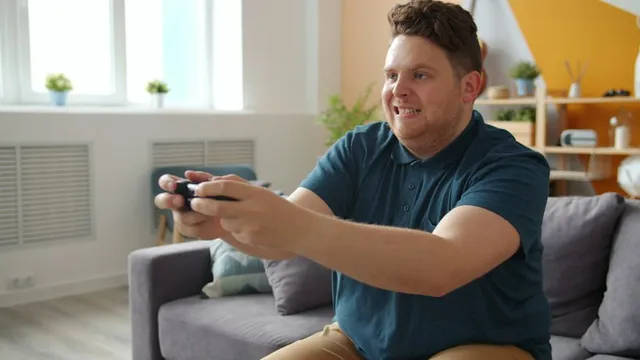 DecisionWhy do I lose motivation to keep playing games or using apps even if they were fun at first?Understand why motivation fades and choose a strategy that fits your current capacity.3 min read
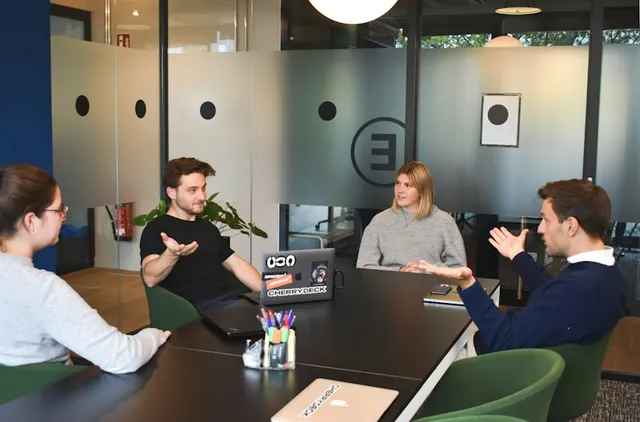 ExplainerSelf-Determination Theory in GamificationSelf-determination theory explains how gamification can support intrinsic motivation by addressing needs for autonomy, competence, and relatedness.6 min read
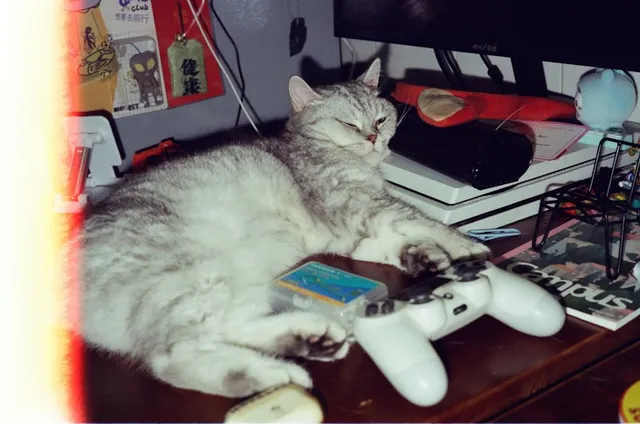 TechniquesWhy Do I Lose Motivation When a Game Rewards Me?External rewards can sometimes undermine the fun. Compare ways to keep your motivation alive by focusing on autonomy, choice, and social play.3 min read
 TechniquesComparing Ways to Restore Motivation When You Lack Control or RecognitionCompare three evidence-informed practices for strengthening intrinsic motivation when autonomy and feeling valued are low.3 min read
 TechniquesExploring Your Feelings About Others' ExpectationsCompare practices to understand and navigate feeling trapped by external expectations. Use self-reflection, autonomy support, and value clarification.3 min read
References
Sources & evidence
4 research papers informed this article. The numbers beside each section link here, and each DOI opens the original paper.
Source 1:Gamification in theory and action: A survey
Seaborn, Katie, Fels, Deborah I. (2015). Gamification in theory and action: A survey. DOI 10.1016/j.ijhcs.2014.09.006
Source 2:The rise of motivational information systems: A review of gamification research
Koivisto, Jonna, Hamari, Juho (2019). The rise of motivational information systems: A review of gamification research. DOI 10.1016/j.ijinfomgt.2018.10.013
Source 3:Self-Determination Theory in Work Organizations: The State of a Science
Edward L. Deci, Anja H. Olafsen, Richard M. Ryan (2017). Self-Determination Theory in Work Organizations: The State of a Science. DOI 10.1146/annurev-orgpsych-032516-113108
Source 4:Motivation reconsidered: The concept of competence.
Robert W. White (1959). Motivation reconsidered: The concept of competence.. DOI 10.1037/h0040934
article
A place to begin
Make room for your next step.
You do not need to have it all figured out. Bring one real moment to Mneno, notice what matters, and choose one step to try.
Name the moment
Describe what happened in your own words.
Notice what matters
Explore the needs and reactions beneath it.
Choose one step
Find a small action you can try next.
Start at your own pace