
Ways Others Help You Heal After a Hard Event
Explore three practices through which support from others can help you heal after a difficult event.
The question
Why does support from others help me heal after a difficult event?

Overview
Support from others can help you heal after a difficult event by providing comfort, helping you process what happened, and assisting you in making sense of things. Research points to several ways this support works, though no single approach fits everyone.
The practices described here-active disclosure to empathetic others, receiving comfort and reappraisal through social support, and strengthening family functioning-are supported by evidence, but their effects can vary depending on your situation and relationships.
Active Disclosure to Empathetic Others

In this practice, you deliberately share your thoughts and emotions about the event with someone who listens empathetically. It's not just talking-you try to make meaning from what happened and rethink your beliefs. It requires a trusted person willing to listen without judging.
One study links active disclosure to posttraumatic growth because it helps you process and revise how you understand the event. However, the research does not say this works for everyone; it depends on having a supportive listener and your readiness to share.
Receiving Comfort and Reappraisal

Social support can work through physical comfort, emotional reassurance, and repeated opportunities to talk through memories. Another person may help you see the event in a new way, reducing distress. This often happens naturally with family or friends who are present and caring.
Research suggests this process helps you tolerate intrusive memories and reevaluate the event. But the evidence comes from studies of trauma recovery in general; it does not guarantee that any single supporter will provide exactly what you need.
Strengthening Family Functioning
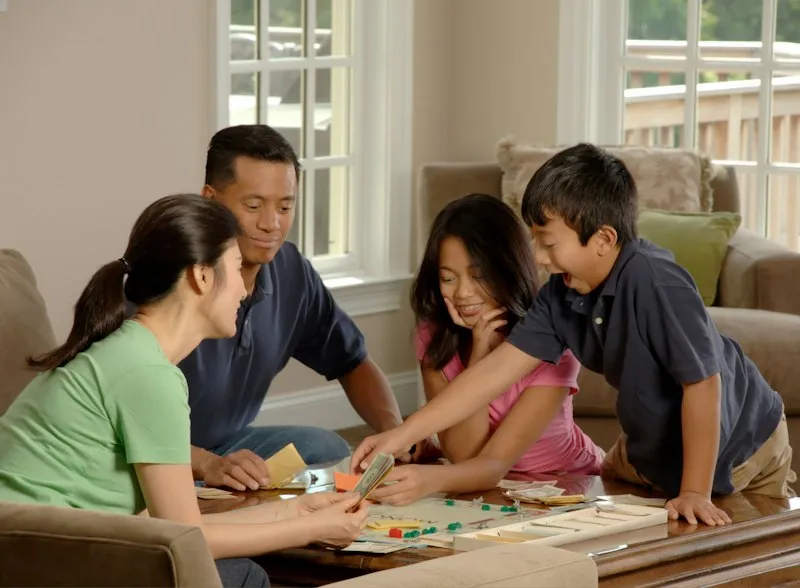
This practice involves working to improve how your family unit communicates, supports each other, and manages stress together. It may mean setting aside time for family activities, resolving conflicts openly, or asking a healthcare provider for family-focused resources.
A study of caregivers of children with cerebral palsy found that good family function directly improved both physical and psychological health. It also helped social support and stress management work better. This finding comes from a specific caregiving population, so it may not fully apply to other situations.
Take it further
Your Support System
What kind of support feels most accessible or helpful to you right now, and what might that tell you about what you need?
Talk it out
Opening the Conversation
What's one way someone has supported you after a hard event that you found helpful?
References
Sources & evidence
4 research papers informed this article. The numbers beside each section link here, and each DOI opens the original paper.
Source 1:A dual representation theory of posttraumatic stress disorder.
Brewin, Chris R., Dalgleish, Tim, Joseph, Stephen (1996). A dual representation theory of posttraumatic stress disorder.. DOI 10.1037/0033-295x.103.4.670
Source 2:TARGET ARTICLE: "Posttraumatic Growth: Conceptual Foundations and Empirical Evidence"
Richard G. Tedeschi, Lawrence G. Calhoun (2004). TARGET ARTICLE: "Posttraumatic Growth: Conceptual Foundations and Empirical Evidence". DOI 10.1207/s15327965pli1501_01
Source 3:The Health and Well-Being of Caregivers of Children With Cerebral Palsy
Raina, Parminder, O'Donnell, Maureen, Rosenbaum, Peter, Brehaut, Jamie, et., al. (2005). The Health and Well-Being of Caregivers of Children With Cerebral Palsy. DOI 10.1542/peds.2004-1689
DOI 10.1542/peds.2004-1689articleSource 4:Loss, Trauma, and Human Resilience: Have We Underestimated the Human Capacity to Thrive After Extremely Aversive Events?
George A. Bonanno (2004). Loss, Trauma, and Human Resilience: Have We Underestimated the Human Capacity to Thrive After Extremely Aversive Events?. DOI 10.1037/0003-066x.59.1.20
Next read
Keep reading
 MomentsHow can I get support when I'm caring for someone?If you're caring for someone and feel overwhelmed, support starts with sharing your experience with someone who listens and understands.2 min read
 DecisionWhy Do I Need People to Agree With Me?Explore three strategies to understand your need for agreement and choose one that fits your current capacity.3 min read
 ExplainerSocial Support EnhancementSocial support enhancement involves strategies to improve or strengthen the social support networks available to an individual, often with the goal of6 min read
 ExplainerSocial Support Buffering ExplainedSocial support buffering describes how emotional and practical help from others can reduce the negative impact of stress on well-being.5 min read
 ExplainerConsensual Validation SeekingConsensual validation seeking is the drive to have others confirm one's beliefs, worldview, or self-image, reducing uncertainty and managing existential6 min read
 How-toHow to Argue About Work Without Feeling AttackedLearn evidence-based techniques to separate task disagreements from personal attacks in workplace discussions, so you can stay focused on the work.4 min read