

Social support enhancement refers to intentional efforts to improve the quality, availability, or perception of social support a person receives. This can involve connecting individuals with peer groups, providing respite care, or offering counseling services, particularly for those in caregiving roles caring for a child with cerebral palsy. The overarching goal is to buffer against stress and improve psychological outcomes.
Research consistently links higher levels of social support to better psychological health, including lower anxiety and improved self-concept. Studies show that perceived social support is inversely related to psychological discomfort, especially among women. Enhancement strategies are therefore designed to actively build or reinforce these protective social ties.
How Social Support Is Measured

To understand whether social support enhancement is needed or effective, researchers first need to measure it. One widely used tool is the Social Support Questionnaire (SSQ). This 27-item instrument asks people to list the individuals they can count on for support in various situations and then rate how satisfied they are with that support. The SSQ produces two main scores: an average number of support persons (N) and an average satisfaction rating (S).
The SSQ has demonstrated high internal consistency and strong test-retest reliability over a four-week period, making it a robust tool for research and clinical assessment. This type of measurement allows practitioners to identify gaps in a person's support network and to track changes after an enhancement intervention. It distinguishes between the quantity of support and the individual's satisfaction with it, recognizing that having many contacts does not always equal feeling supported.
SourcesS8
Take it further
Building Connections
What kinds of support have you found most helpful during challenging times?
Reflect in Mneno
Support for Caregivers and Families
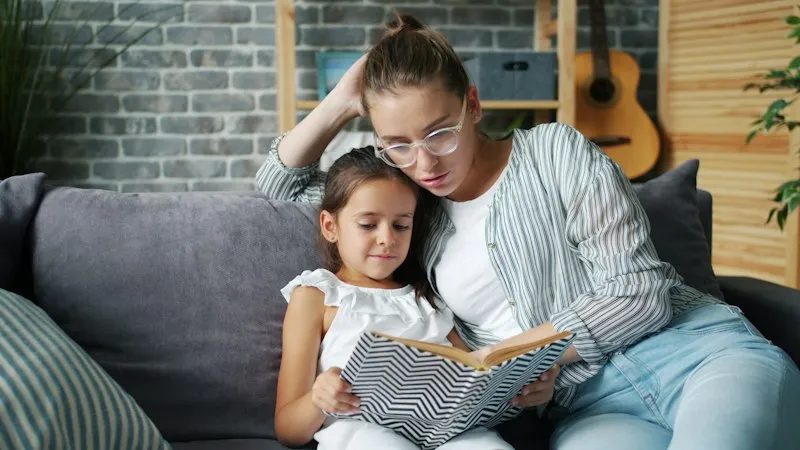
A primary area where social support enhancement is applied is with caregivers, particularly those caring for children with cerebral palsy. These caregivers often experience diminished physical and psychological well-being due to the ongoing demands of care. Enhancing their social support-through peer support groups, respite care, or counseling-can help mitigate these negative health impacts by reducing stress and improving coping.
Research indicates that family functioning plays a central role in caregiver health. In one study, family function directly affected both the physical and psychological health of caregivers and also mediated the effects of self-perception, social support, and stress management. This suggests that effective social support enhancement should not only focus on the individual caregiver but also on nurturing the family unit as a whole.
Role in Trauma Recovery

Social support is particularly adaptive for recovery after traumatic events, such as rape, disaster, or combat. Higher levels of social support are associated with better psychological outcomes in these contexts. Enhancement strategies in this area aim to strengthen these protective connections, especially in the immediate aftermath of a crisis.
Social support facilitates trauma processing through several mechanisms. It can directly reduce negative affect by providing physical comfort and emotional support. It also offers opportunities for repeated rehearsal of traumatic memories in a safe context and assists in cognitive reappraisal, helping the person to tolerate intrusive memories and allowing for habituation or stimulus revaluation. This process is key to reducing post-traumatic symptoms.
Connection to Self-Esteem and Well-Being

Social support is not only a buffer against distress but is also positively related to self-esteem. Research shows that higher levels of social support are associated with more positive self-concepts and lower anxiety, as reflected by reduced cognitive interference. This link suggests that enhancing social support can have downstream benefits for an individual's sense of self-worth and overall psychological comfort.
Among adolescents who have experienced a natural disaster, those living with both parents after the event tend to have greater clarity about their goals and life purposes. However, personal growth is often more favorable when adolescents live with other relatives, and self-esteem improves when living with grandparents. These nuances highlight that the source and type of support matter. Social support enhancement may involve strengthening different relationships depending on the desired outcome.
FAQ
Common questions
Each answer is linked to its research.
What is the Social Support Questionnaire (SSQ) and how is it used?
The Social Support Questionnaire (SSQ) is a 27-item instrument used to quantify two aspects of social support: perceived availability and satisfaction. For each item, a person lists up to nine people they can count on for support in a given situation and then rates their overall satisfaction with that support. The SSQ produces an average number of support persons (N) and an average satisfaction score (S). It has high internal consistency (alpha = .97 for N, .94 for S) and strong test-retest reliability over four weeks (r = .90 for N, .83 for S). This tool helps researchers and clinicians assess a person's support network and evaluate the impact of enhancement interventions.
SourcesS8All sources
Does social support affect men and women differently?
Research indicates that social support's relationship with psychological discomfort may be particularly strong for women. Specifically, social support has been found to be inversely related to states of psychological discomfort, and this association is especially pronounced for women when measured by tools like the MAACL. This suggests that social support enhancement strategies may be especially impactful for women's mental health, though the underlying reasons require further study. The finding highlights the importance of considering sex as a factor when designing or evaluating support interventions.
SourcesS6All sources
How does family functioning relate to social support for caregivers?
For caregivers of children with cerebral palsy, family functioning plays a central role in their physical and psychological health. One study found that family function directly affects caregiver health and also mediates the effects of self-perception, social support, and stress management. This means that a well-functioning family can amplify the benefits of social support enhancement. Health care providers are therefore encouraged to develop interventions that support the entire family unit, valuing family functioning as much as technical aspects of care, to improve overall caregiver well-being.
SourcesS11All sources
Next read
Keep reading
Nearby guides picked by the editors of this article.
 MomentsHow can I get support when I'm caring for someone?If you're caring for someone and feel overwhelmed, support starts with sharing your experience with someone who listens and understands.2 min read
 DecisionWhy Do I Need People to Agree With Me?Explore three strategies to understand your need for agreement and choose one that fits your current capacity.3 min read
 TechniquesHow friends help you cope with stress when life gets hardCompare practical ways friends support you through stress, from everyday talk to team bonding, based on research on social support.3 min read
 TechniquesWays Others Help You Heal After a Hard EventExplore three practices through which support from others can help you heal after a difficult event.2 min read
 TechniquesWhy Agreement from Others Matters for Your Well-BeingExplore why needing agreement from others to feel okay is common, and learn techniques to understand and manage this need.3 min read
 ExplainerSocial Support Buffering ExplainedSocial support buffering describes how emotional and practical help from others can reduce the negative impact of stress on well-being.5 min read
References
Sources & evidence
4 research papers informed this article. The numbers beside each section link here, and each DOI opens the original paper.
Source 1:A dual representation theory of posttraumatic stress disorder.
Brewin, Chris R., Dalgleish, Tim, Joseph, Stephen (1996). A dual representation theory of posttraumatic stress disorder.. DOI 10.1037/0033-295x.103.4.670
Source 2:The Health and Well-Being of Caregivers of Children With Cerebral Palsy
Raina, Parminder, O'Donnell, Maureen, Rosenbaum, Peter, Brehaut, Jamie, et., al. (2005). The Health and Well-Being of Caregivers of Children With Cerebral Palsy. DOI 10.1542/peds.2004-1689
articleSource 3:Happiness is everything, or is it? Explorations on the meaning of psychological well-being.
Carol D. Ryff (1989). Happiness is everything, or is it? Explorations on the meaning of psychological well-being.. DOI 10.1037/0022-3514.57.6.1069
Source 4:Assessing social support: The Social Support Questionnaire.
Irwin G. Sarason, Henry M. Levine, Robert B. Basham, Barbara R. Sarason (1983). Assessing social support: The Social Support Questionnaire.. DOI 10.1037/0022-3514.44.1.127