
Why Do I Doubt My Ability to Finish What I Start?
Understand why you doubt your ability to finish tasks and how to build confidence through skill development.
Why do I constantly doubt my ability to finish what I start?
- Self Efficacy
- Procrastination
- Skill Building
- Academic Confidence

Overview
Doubting your ability to finish what you start is often linked to low self-efficacy-the belief that you can successfully complete a task. Research consistently shows that lower self-efficacy is associated with higher procrastination, making it harder to start, continue, or persist with work.
This process focuses on a strategy from research on procrastination: strengthening task-relevant skills to build confidence. Note that this approach is based on studies of academic procrastination and may not apply to all situations, but building confidence through experience is a widely supported principle.
1. Strengthen task-relevant skills
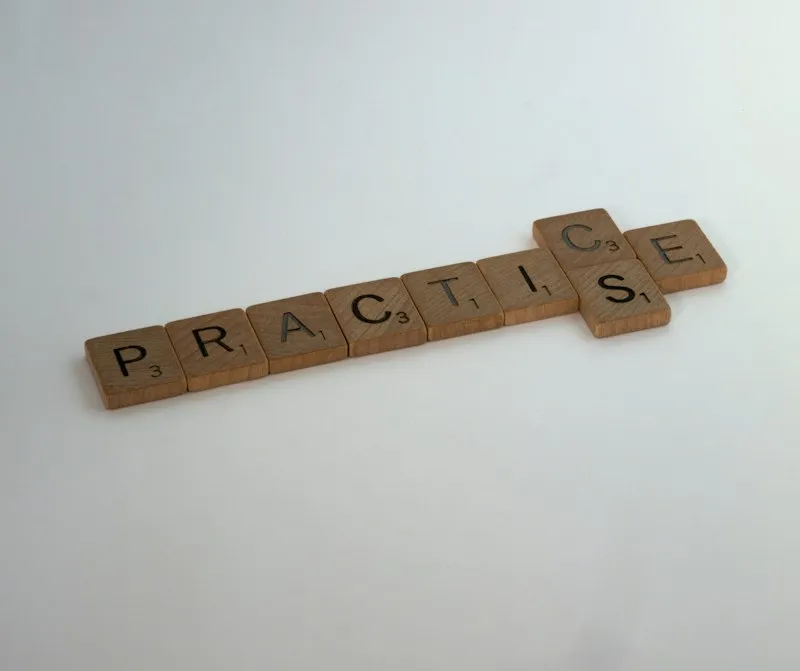
To reduce doubt about finishing, work on the specific skills needed for the task at hand. Research on procrastination suggests that when people feel capable of doing a task well-because they have developed relevant skills-they are more likely to start and persist. For example, the source text gives tax preparation as a scenario where building domain knowledge can make the work feel more manageable.
This recommendation comes from a knowledge principle about procrastination, not from a controlled experiment directly testing skill-building interventions. The confidence gained depends on personal experience of success, not just learning techniques. If you struggle with very large or complex tasks, skill development alone may not address all the reasons you hesitate, but it is a practical starting point.
Take it further
Your Confidence Sources
What is one task where you have already developed some skill, and how does that experience affect your confidence about finishing it?
Talk it out
Starting a Conversation
Have you ever noticed that doubting yourself makes it harder to get started on things, and if so, what helps you push through?
Keep reading
 MomentsI try to fix my mood before starting workYou try to feel better before starting work because your brain prioritizes short-term mood repair.3 min read
 DecisionWhy do I doubt I can handle my tasks even when I've done them before?Explore three strategies to address self-doubt about handling tasks you've done before, comparing immediate effort and trade-offs.4 min read
 ExplainerSelf-Regulation ConfidenceSelf-regulation confidence is the belief in your ability to manage learning, resist distractions, and complete tasks. It is linked to less procrastination.5 min read
 TechniquesUnderstanding the Doubt That Blocks Follow-ThroughExplore techniques to address self-doubt about following through on goals, based on research on self-efficacy and self-regulation.3 min read
 TechniquesTurning to Distractions When in a Bad MoodExplore why you reach for distractions when feeling low-comparing simple mood repair, social media relief, and building emotion regulation skills.3 min read
 ExplainerStrengthening Self-EfficacyLearn how to build self-efficacy through success experiences, skill building, and reviewing past wins to reduce procrastination and boost confidence.4 min read
References
Sources & evidence
4 research papers informed this article. The numbers beside each section link here, and each DOI opens the original paper.
Source 1:Procrastination and Motivation of Undergraduates with Learning Disabilities: A Mixed‐Methods Inquiry
Klassen, Robert M., Krawchuk, Lindsey L., Lynch, Shane L., Rajani, Sukaina (2008). Procrastination and Motivation of Undergraduates with Learning Disabilities: A Mixed‐Methods Inquiry. DOI 10.1111/j.1540-5826.2008.00271.x
Source 2:The nature of procrastination: A meta-analytic and theoretical review of quintessential self-regulatory failure.
Steel, Piers (2007). The nature of procrastination: A meta-analytic and theoretical review of quintessential self-regulatory failure.. DOI 10.1037/0033-2909.133.1.65
Source 3:Examining ‘active’ procrastination from a self-regulated learning perspective
Cao, Li (2012). Examining ‘active’ procrastination from a self-regulated learning perspective. DOI 10.1080/01443410.2012.663722
Source 4:Academic procrastination of undergraduates: Low self-efficacy to self-regulate predicts higher levels of procrastination
Klassen, Robert M., Krawchuk, Lindsey L., Rajani, Sukaina (2008). Academic procrastination of undergraduates: Low self-efficacy to self-regulate predicts higher levels of procrastination. DOI 10.1016/j.cedpsych.2007.07.001
A place to begin
Make room for your next step.
You do not need to have it all figured out. Bring one real moment to Mneno, notice what matters, and choose one step to try.
Name the moment
Describe what happened in your own words.
Notice what matters
Explore the needs and reactions beneath it.
Choose one step
Find a small action you can try next.
Start at your own pace